Fantasy5 January 2027 · US
Infernal Vow
The Immortal Dark finale places Kidan’s devotion and forbidden power against the survival of humanity, bringing the trilogy’s dark-academia conflict to a conclusion.
The Read2027 editorial selection
The books on our 2027 watchlist: returning favorites, new voices and stories that invite a closer look. Explore the year in three chapters, with publication dates linked to the edition we have checked.
The opening months bring Sarah J. Maas’s returning fantasy world, Kazuo Ishiguro’s prewar intrigue and Percival Everett’s portrait of a musician. A South Asian historical-fantasy debut, psychological suspense and dark romantic suspense widen the fiction, alongside new memoir and ideas.
The Immortal Dark finale places Kidan’s devotion and forbidden power against the survival of humanity, bringing the trilogy’s dark-academia conflict to a conclusion.
The seventh installment returns to Prythian as fraying alliances and Koschei’s growing threat place the Night Court under pressure.
Hornby reunites the sporting loyalties of Fever Pitch with his relationship fiction. The wager gives an ordinary life a concrete and increasingly difficult decision.
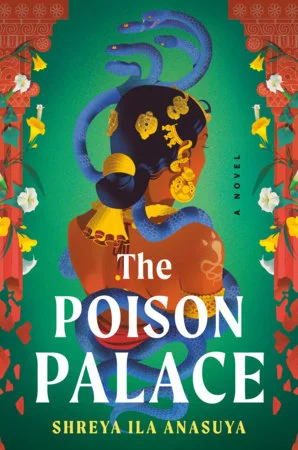
A mythic account of invasion seen through two women's choices gives this debut a distinct place among 2027's historical fantasies.
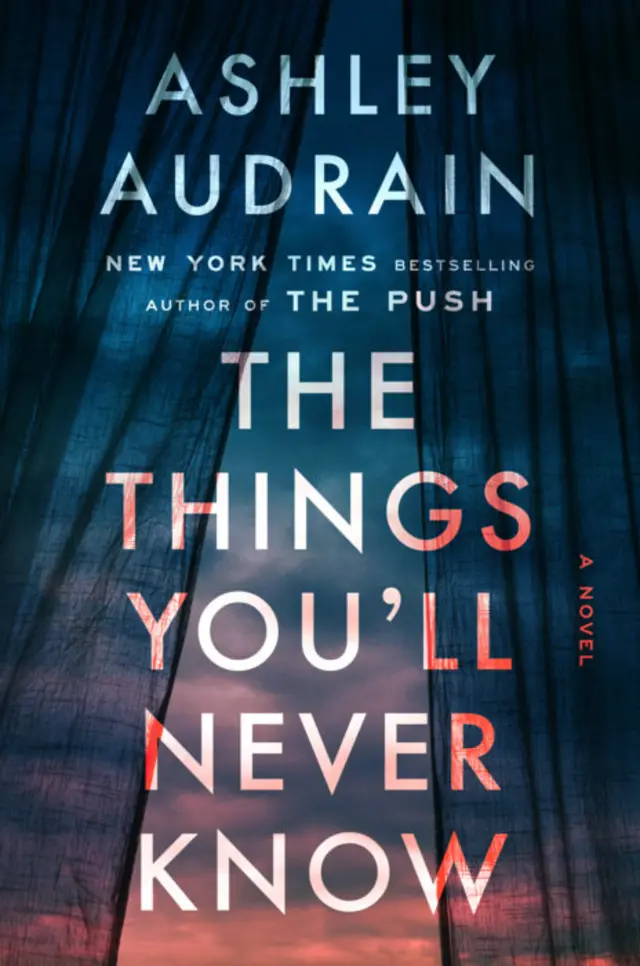
Audrain’s third novel brings an unusual perspective to domestic suspense: a dead mother watching the family and secrets she has left behind.
Martin connects civil-rights history with the practical work of Black community institutions, arguing for collective action rooted in local networks.
Olive and Adam’s story continues beyond The Love Hypothesis, asking how a shared relationship survives career decisions that may lead in different directions.
A summons to Capri gives three sisters a reason to reunite, bringing their hopes of seeing one another into a difficult relationship with their artist father.
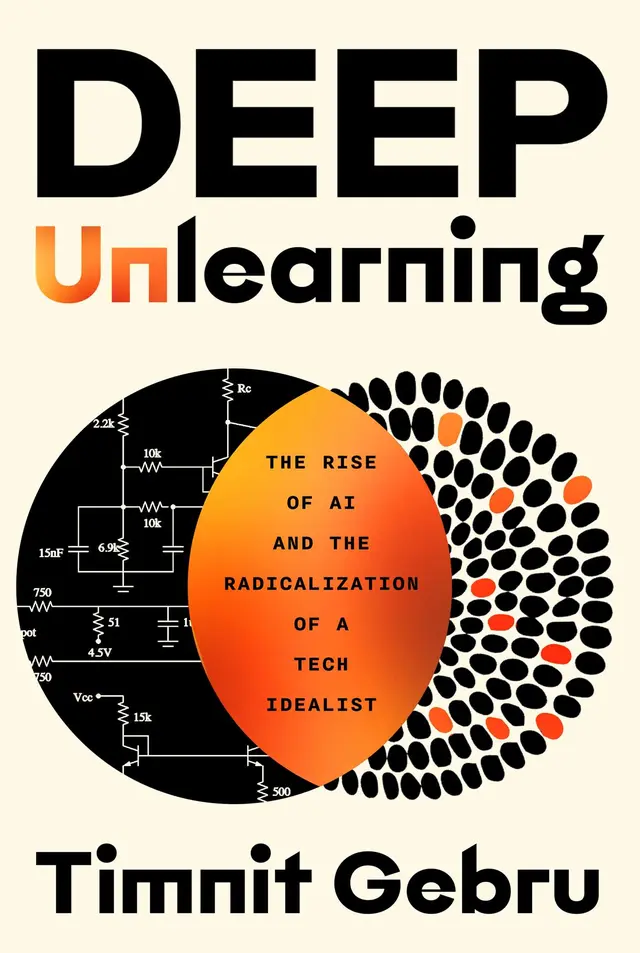
A first-person account from inside modern AI research that links personal history to questions of bias, institutions and technological power.
The familiar act of looking up a word opens into a history of cultural authority, changing usage, and the people who decide how dictionaries define them.
Tooze connects climate politics, industrial policy and geopolitics through an economic historian’s lens.
Harry Hole returns for readers invested in Nesbø’s recurring investigator and the tensions of a long-running crime series.
The sixth Bone Season book is the penultimate entry in a long-running speculative series, making it an important February release for returning readers.
Everett follows James with another historical novel concerned with race and authorship. Music supplies a new route through questions of power and ownership.
Readers of Deep Work and Digital Minimalism can follow Newport’s interest in attention into the broader question of how to build a deliberate daily life.
Reid moves from celebrity-centered fiction into a road story about female friendship and deception. The 1970s setting offers a different entry point for readers who know Daisy Jones & The Six or The Seven Husbands of Evelyn Hugo.
Ishiguro’s new novel brings a comic caper to his interest in uncertain perception. Its prewar setting offers a different entry point for returning readers.
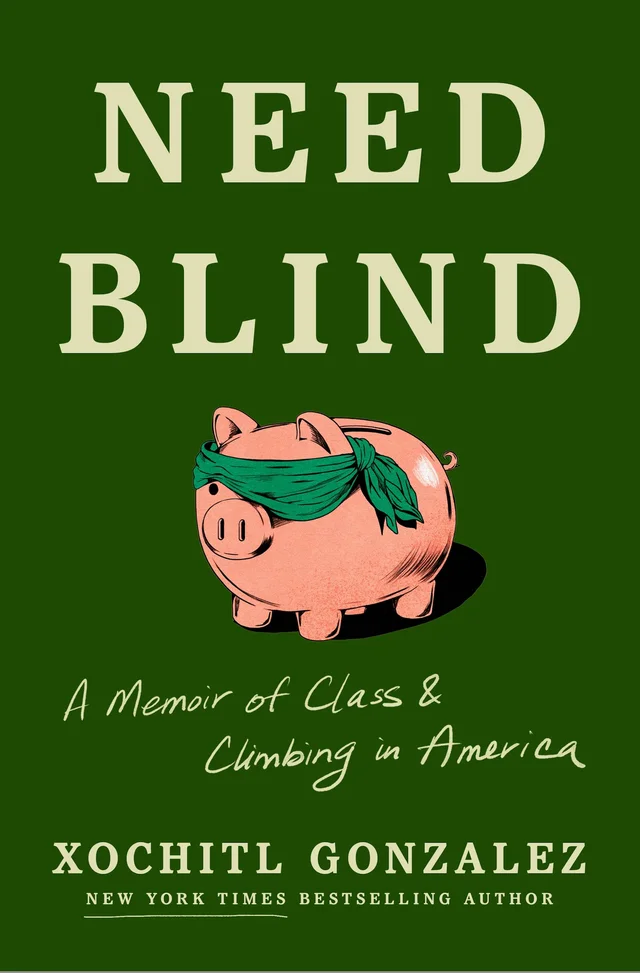
Gonzalez brings her experience of moving from working-class Brooklyn into elite institutions to an examination of class, mobility, and American power.
McFadden makes uncertain memory part of a killer’s own predicament: Samantha must work out whether the bodies she discovers belong to her waking life or her sleep.
Riordan and Lukoff return to Camp Half-Blood through Harper, whose search for belonging brings new challenges for a child of Aphrodite.
The trilogy finale gives dark romantic suspense readers a natural place to continue, combining a fractured relationship with a dangerous common adversary.
Spring brings new novels from Emily Henry, Kristin Hannah, Tasha Suri and Brit Bennett, alongside Michelle Zauner’s year in Seoul. Caregiving, summer romance, a Korean afterlife and the final Wolf King volume offer different ways into the season.
Ramadan centers a Syrian family's migration within a familiar maritime disaster, combining an ensemble historical narrative with questions of home and belonging.
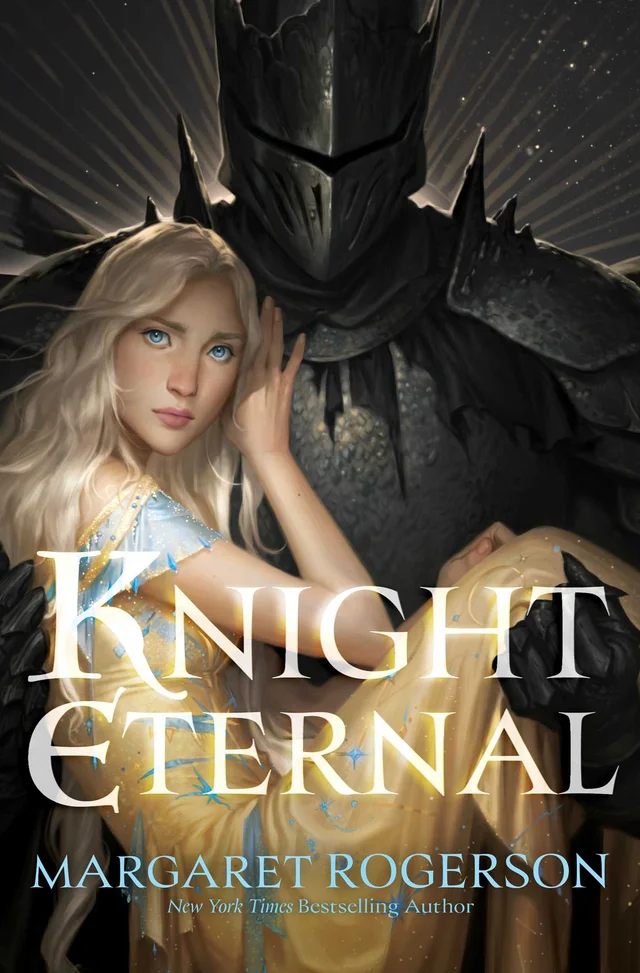
Rogerson pairs a tower-bound heroine with a protector whose loyalty is magically enforced, giving this YA fantasy a sharp conflict between love and obligation.
Henry’s new romance begins with a getaway, offering returning readers another story from the author while fuller plot details remain to be announced.
Hart follows Weyward and The Sirens with time travel threaded through two world wars. The relationship between individual rescue and historical consequence gives the book an accessible speculative question with a family-centered narrative.
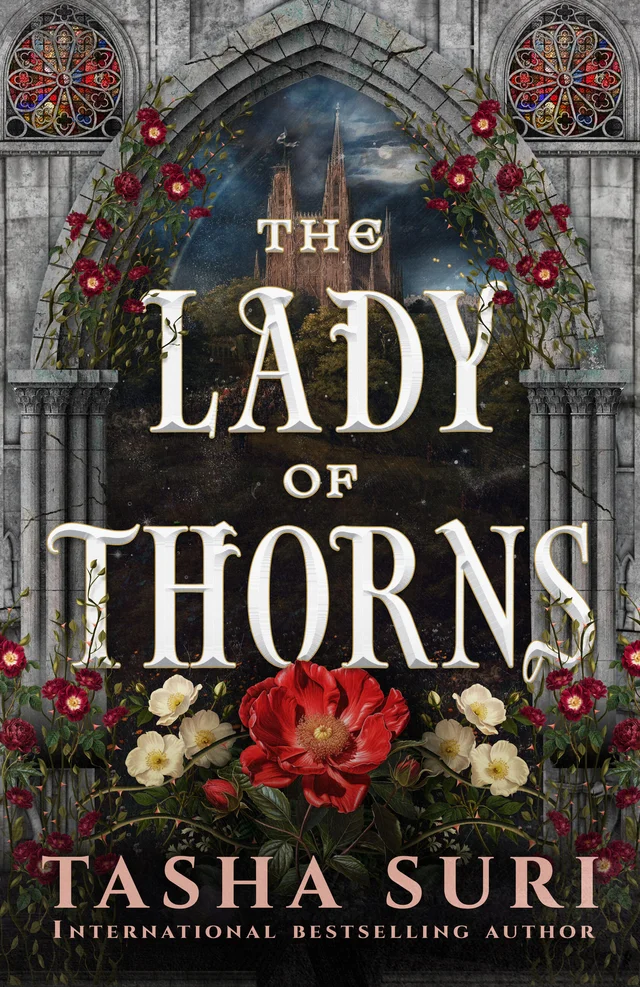
Suri brings moral uncertainty and a dangerous bargain to gothic fantasy, with a heroine forced to reconsider who deserves her loyalty.
Jimenez builds this romance around caregiving, responsibility and the difficulty of accepting help. Readers drawn to relationships shaped by family obligations will find a clear premise to watch as publication approaches.
Millard’s narrative history follows rescue work through three women’s decisions. It gives readers of Destiny of the Republic another tightly focused account of people confronting extraordinary danger.
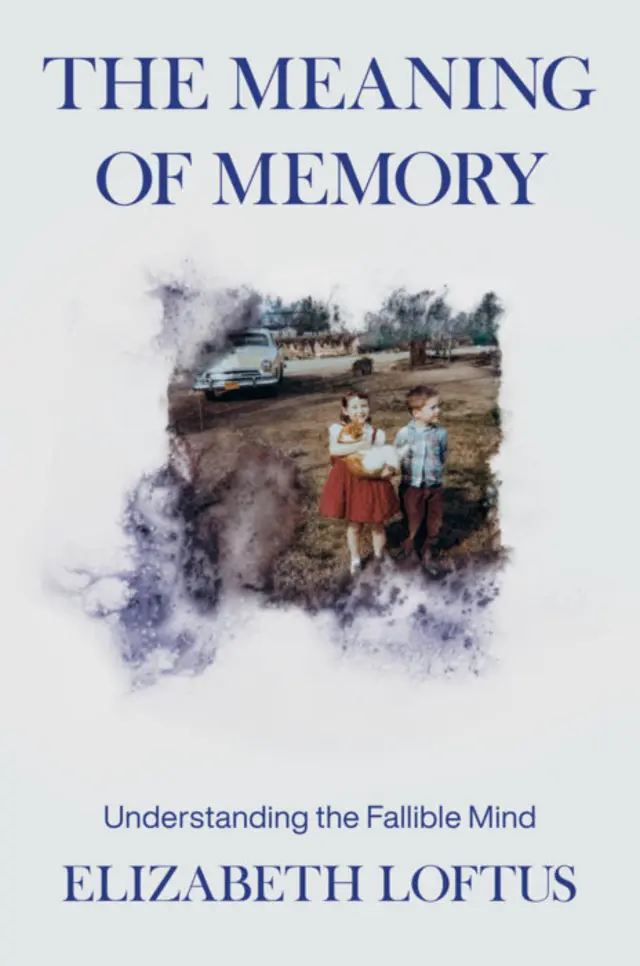
False-memory research has implications far beyond the laboratory. Loftus connects it to law, identity and an information environment increasingly shaped by synthetic media.
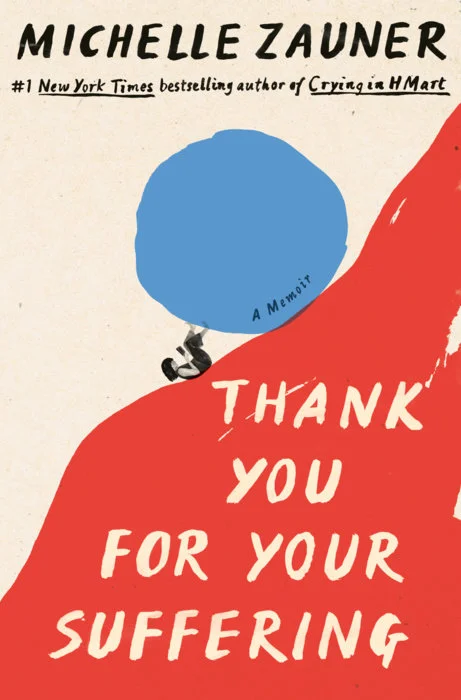
Zauner continues the family and cultural questions of Crying in H Mart through language learning and everyday life abroad. The year in Seoul provides a distinct narrative frame for readers following both her writing and Japanese Breakfast.
A standalone fantasy offers an entry point to Cho's work through an inventive afterlife setting, repeated escape attempts and unresolved ties to the living world.
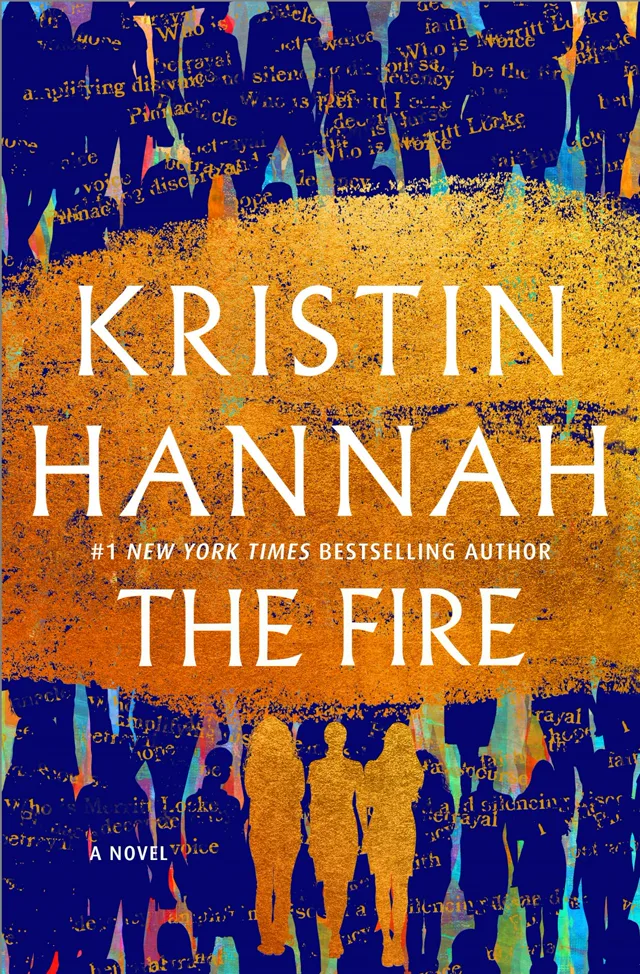
Hannah’s contemporary American setting offers a different context for readers familiar with her historical novels.
Fortune returns to Barry’s Bay, connecting this romance to a setting familiar to her readers. The lake community and neighboring cottages make it a natural choice for readers planning a summer romance list.
A useful date for readers following The Wolf King trilogy: Aurora's struggle for control reaches its final volume.
Stilwell’s return to Catalina Island begins with a rescue that becomes a murder case, placing his first day back under immediate strain.
Roberts combines a private investigator's work with a homecoming and a developing relationship in a new standalone novel.
Bennett follows The Vanishing Half with a novel about rivalry and the ownership of a public life. Its music-world setting connects literary fiction with the cultural histories that shape how audiences remember famous women.
An architect’s attachment to her dream building gives Loftus’s comic love story an unconventional object of desire.
The second half moves from Grady Hendrix’s dangerous wilderness to Tamsyn Muir’s fairy-tale tower and Jeff VanderMeer’s Area X. Yuval Noah Harari adds a new argument about historical patterns, while Sarah Pekkanen, Ken Follett and Ann Cleeves bring suspense, Victorian history and a final Vera Stanhope case.
Hendrix’s adult horror novel sets a monstrous encounter inside a 1986 scouting trip, where a group of boys discovers the limits of childhood certainty.
Muir reverses the familiar fairy-tale rescue: the character trapped in a tower must work out what survival requires of her.
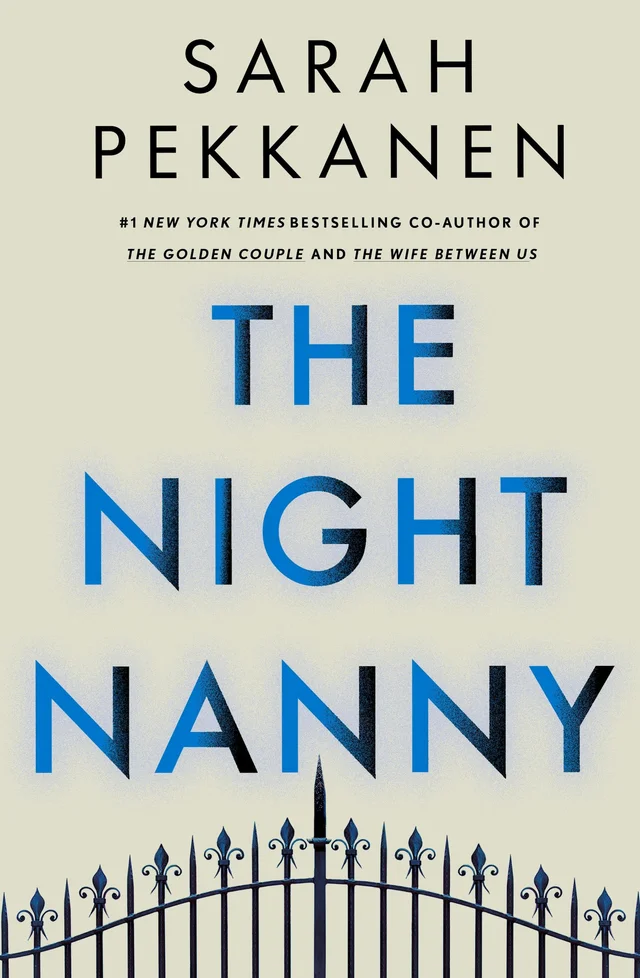
Pekkanen turns an unusually specialized profession into a suspense setting, combining a closed household with escalating uncertainty about the people inside it.
A new historical epic from a novelist whose work has repeatedly turned large social change into intimate, propulsive storytelling.
Harari asks what recurring patterns can explain about empires and revolutions, while keeping the question of an unpredictable future in view.
Vera’s final case returns the detective to a community shaped by its criminal past, bringing Cleeves’s long-running series to a close.
The fifth Southern Reach volume returns to Area X, drawing on an established series that crosses literary fiction and the speculative.
How this list works
We choose books for their premise, perspective and place in the reading year. Every selection has a traceable publication source. The list evolves as new announcements arrive, and inclusion is independent of sales or sponsorship.