Thriller5 January 2027 · US
A Good Man on a Dark Night
Berry puts espionage inside the obligations of caregiving. The threat develops through an unequal relationship between an ordinary worker and state power.
The watchlist
A living editorial guide to announced books across fiction, nonfiction, ideas, history, science, and culture.
Looking for a new edition of an earlier book? Explore Special Editions
Berry puts espionage inside the obligations of caregiving. The threat develops through an unequal relationship between an ordinary worker and state power.
The Immortal Dark finale places Kidan’s devotion and forbidden power against the survival of humanity, bringing the trilogy’s dark-academia conflict to a conclusion.
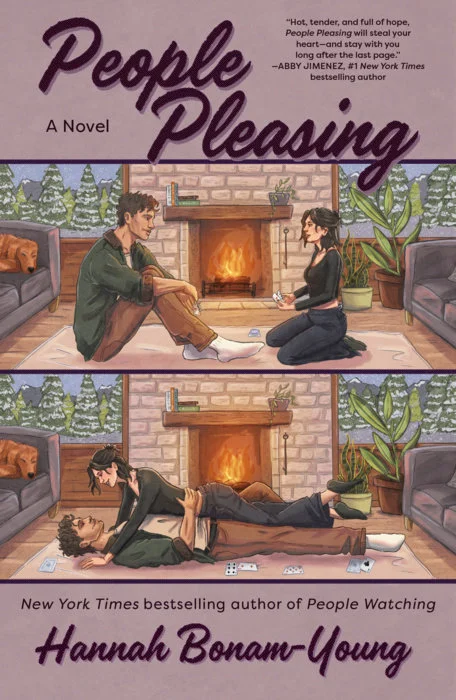
Bonam-Young follows People Watching with a reunion shaped by family and work. The brewery gives Nadia and Aleks a practical reason to spend time together while their different fears keep reconciliation uncertain.
Askaripour returns to the gap between institutional welcome and real belonging. The sanitation strike gives a publishing-industry story a direct test of solidarity.
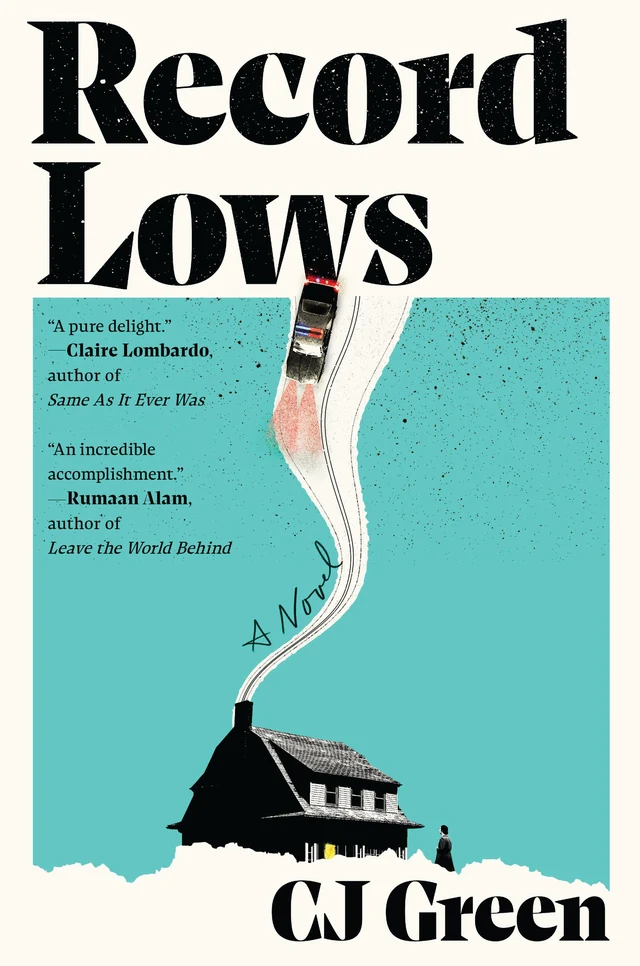
A blizzard brings a family’s private crises into the open, while a missing creditor gives a newspaper editor’s daughter an investigation close to home.
This debut follows a relationship shaped by warning signs and attraction, a premise that may appeal to readers of contemporary young-adult romance.
The second Callisto Chronicles volume follows The Book of Blood and Roses. Romantic obsession and inherited family duty drive its continuing conflict.
A former faith healer’s attempt to build a quieter life brings love and community into conflict with a pastor’s suspicion.
A broadcaster’s familiar adversary forgets their feud, making Marnie confront whether the rivalry protects her from an attraction she would rather deny.
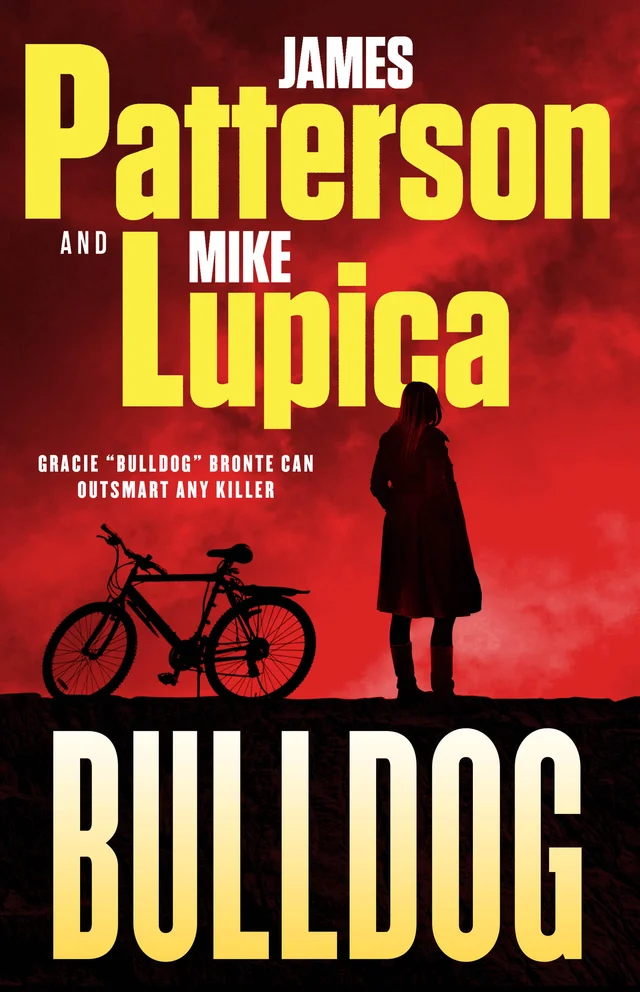
Patterson and Lupica introduce reporter Gracie Bronte through a direct contest with a killer. Readers following their collaborations get a journalist’s investigation rather than another installment assigned to one of Patterson’s established detective series.
The seventh installment returns to Prythian as fraying alliances and Koschei’s growing threat place the Night Court under pressure.
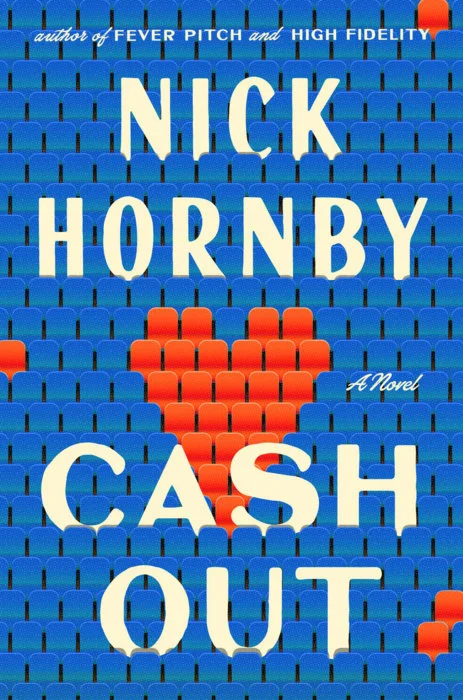
Hornby reunites the sporting loyalties of Fever Pitch with his relationship fiction. The wager gives an ordinary life a concrete and increasingly difficult decision.
Thiede's new YA fantasy combines industrial inequality, undercover investigation and dragon lore, offering a fresh setting for readers of her earlier romantic fantasies.
A pretend engagement carries Sofia and Bear into a pirate-treasure hunt, tying the romantic deception to an adventure that might restore their careers.
Moore draws on Mami Wata mythology to connect immigrant family life with magical realism. Readers of She Would Be King have a new novel to follow.
Readers of The In-Between can follow Vlahos into a more personal account of loss and rebuilding. The memoir places a caregiver’s own uncertain future beside the endings she witnesses in her work.
Sage connects persistent threat-monitoring with emotionally unsafe childhoods, bringing clinical and personal perspectives to patterns of anxiety and appeasement.
An anonymous letter exchange turns an attempt at revenge into attraction, with family love magic complicating a sapphic Valentine’s Day romance.
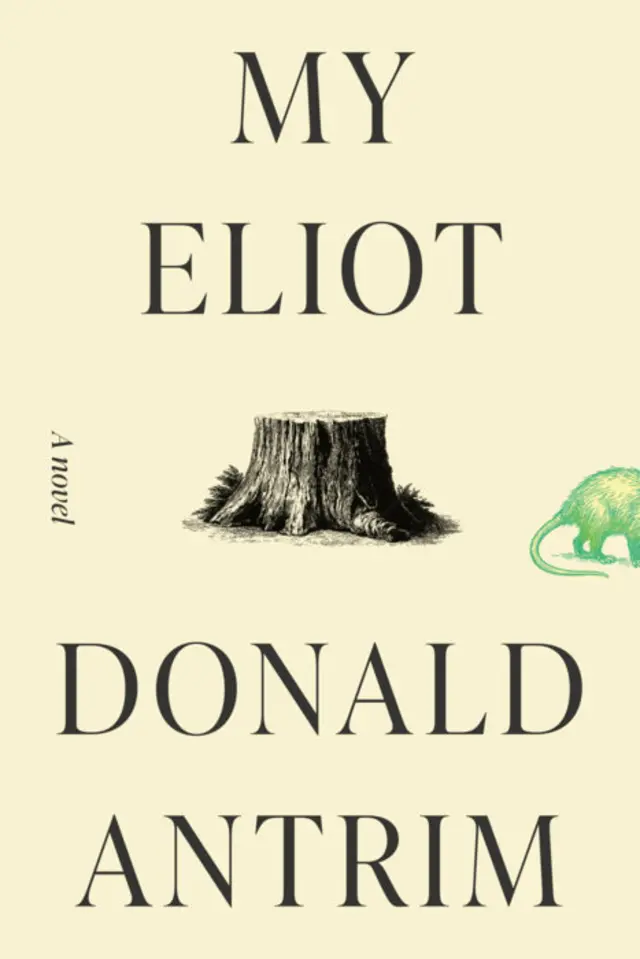
Antrim’s first novel in more than two decades offers readers of experimental literary fiction a new work from a distinctive voice.
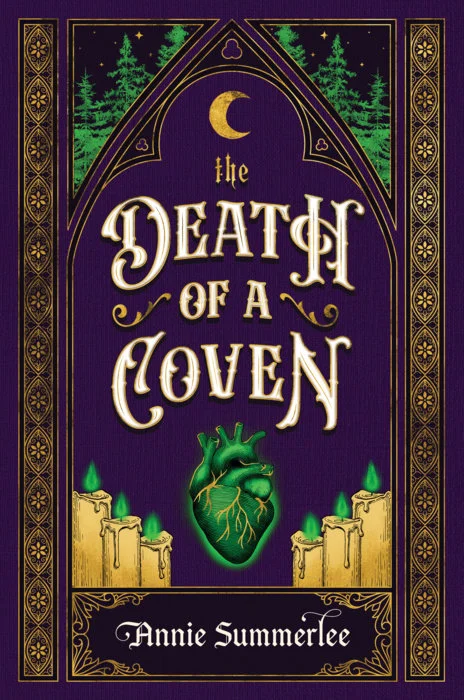
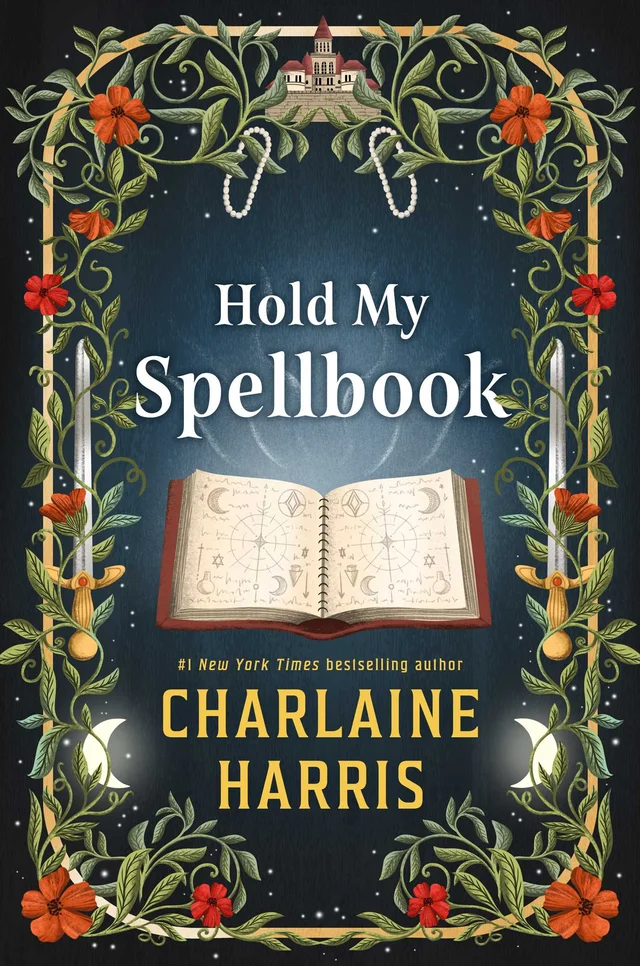
A damaged family potion gives an exhausted witch and her old rival a shared task, tying the romance to inherited magic and expectations.
A missing noblewoman and a spreading fungal plague give Elliott’s palace intrigue both an intimate search and a wider threat.
The expansion of legal sports betting and prediction markets makes this a timely business-and-culture title, with reporting focused on the systems and people setting the odds.
A mythic account of invasion seen through two women's choices gives this debut a distinct place among 2027's historical fantasies.
Klune shifts the perspective to a dog while retaining questions of belonging and chosen connection. Readers interested in compassionate speculative fiction can follow this standalone alongside his established fantasy series.
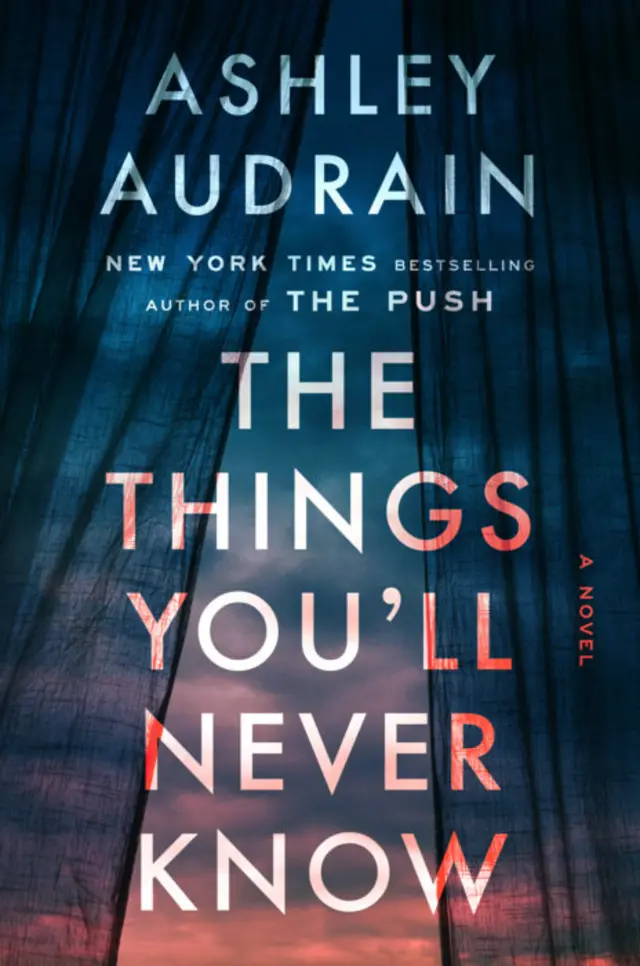
Audrain’s third novel brings an unusual perspective to domestic suspense: a dead mother watching the family and secrets she has left behind.
McBee combines memoir, reporting, and archives to ask how gender-variant lives have been remembered or erased across American history.
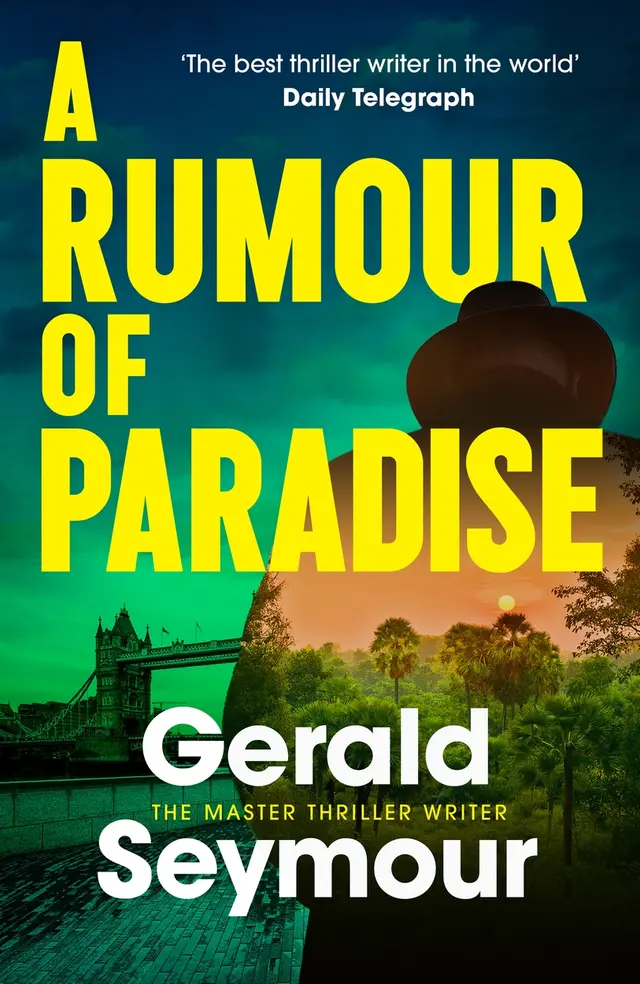
Seymour’s experience with espionage fiction brings a long view of secrecy and divided loyalties to this thriller.
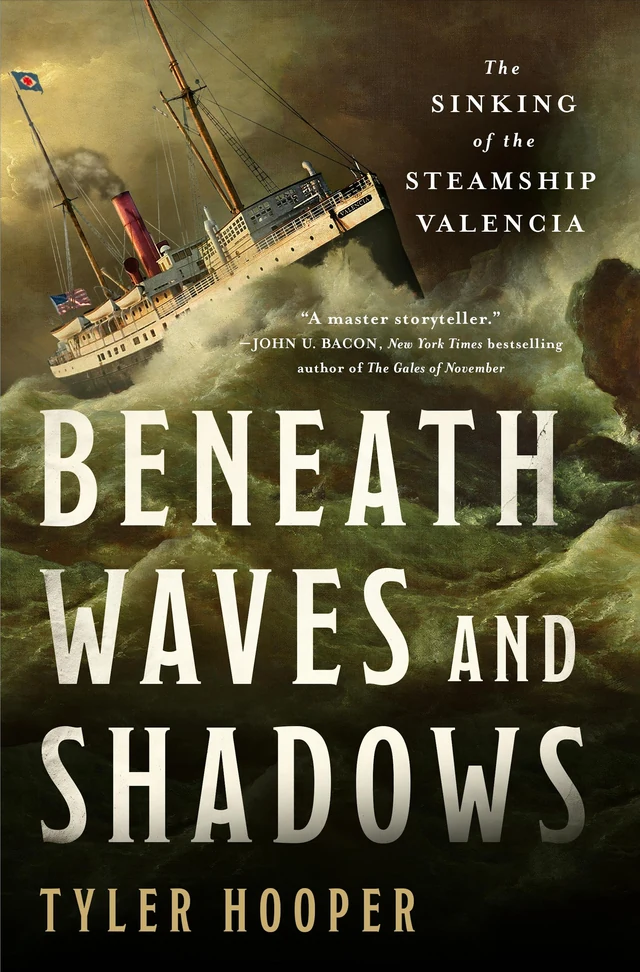
Survivor testimony and an exploration of the coastline reconstruct the Valencia disaster, keeping both the damaged ship and the dangerous shore in view.
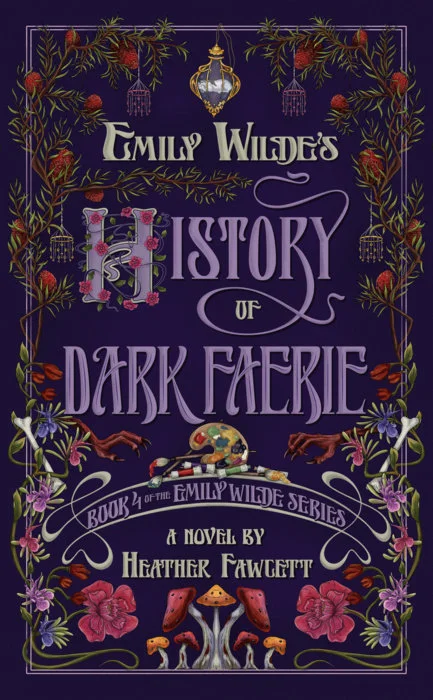
A search through the Black Forest brings Emily, Wendell, and Ariadne toward a realm feared by the Folk, testing the personal cost of scholarly curiosity.
Okoh’s detective debut places a missing-child investigation in Nigeria, where class and political power make the search increasingly dangerous.
A debut that turns contemporary tech culture into science-fiction satire, with a premise likely to resonate with readers already following AI and Silicon Valley.
The second Detour book continues the consequences of a mission gone wrong. Its alternate-Earth premise connects Rake’s television storytelling with Hart’s speculative thrillers, making the series relationship useful for readers choosing where to begin.
Smyth explores the distance between performed intimacy and trust, giving a mechanic and an adult performer an unconventional route toward knowing each other.
The fourth standalone Spellshop adventure pairs a displaced librarian with an inventor and a threatened local shop. Returning readers gain another corner of Durst’s world, while newcomers can recognize its self-contained romantic premise.
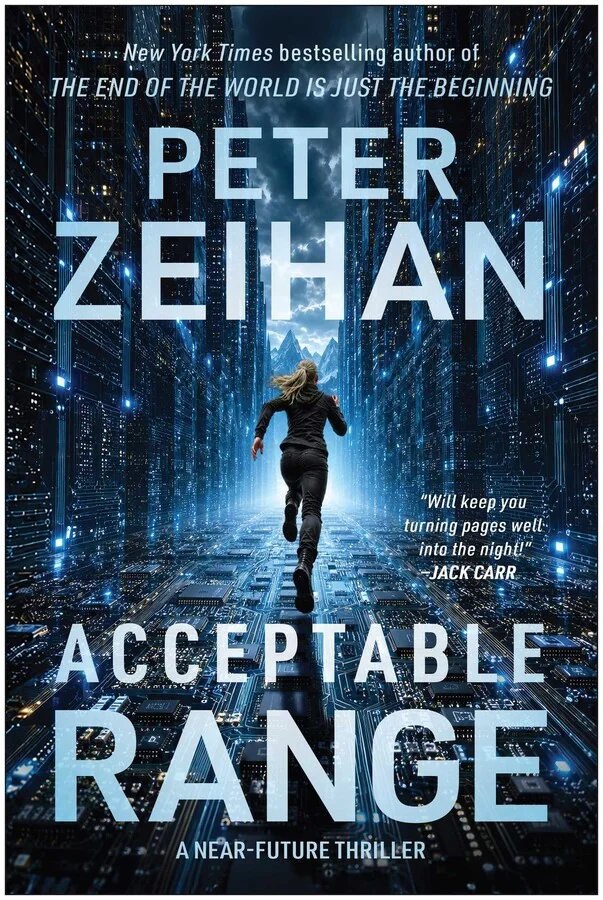
Geopolitical writer Zeihan turns to fiction with a near-future thriller about infrastructure and power.
Kwan turns a disguise-and-infiltration premise into an adult dark-academia mystery, giving fantasy readers an entry organized around scientific power and institutional exclusion.
Preston and Child reunite their archaeological and FBI investigators, offering established series readers another mystery built around the collision of old remains and present crimes.
Lu’s debut brings a reaper-and-vampire relationship into a contemporary sapphic romance. The conflict between wanting an ending and discovering reasons to live supplies a more specific hook than the supernatural pairing alone.
Rodger’s adult literary debut turns a sister’s fear of loss into a supernatural bargain, with Death taking an intimately familiar form.
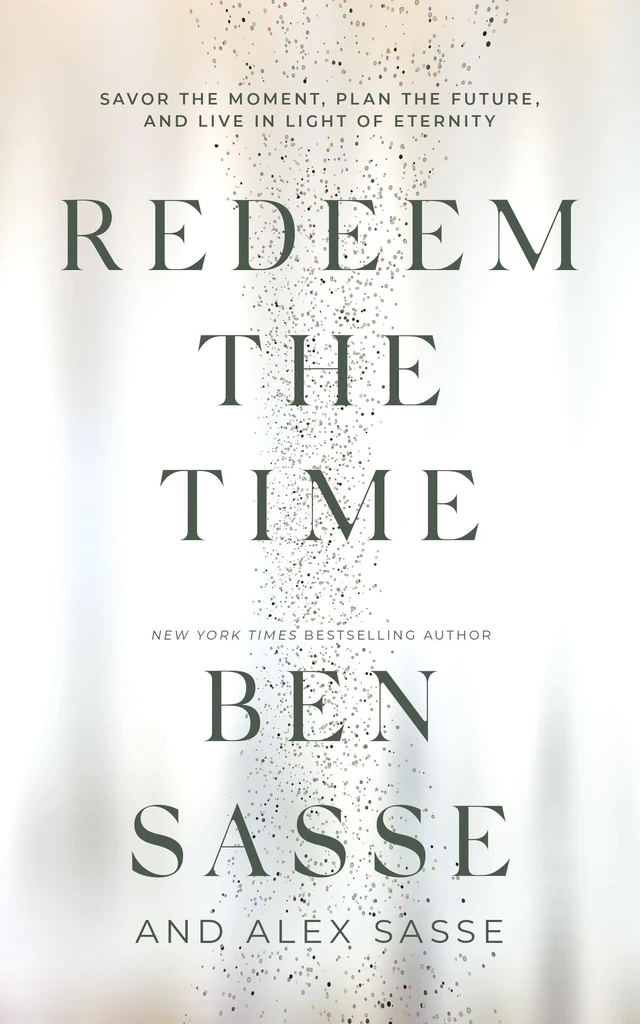
A father and daughter reflect on mortality together, bringing Christian faith and family life into the question of how to use limited time.
Davis returns to the histories of New York buildings through a landmark in upper Manhattan. The dual timeline gives readers of her earlier novels a familiar structure with a new place and pair of lives to explore.
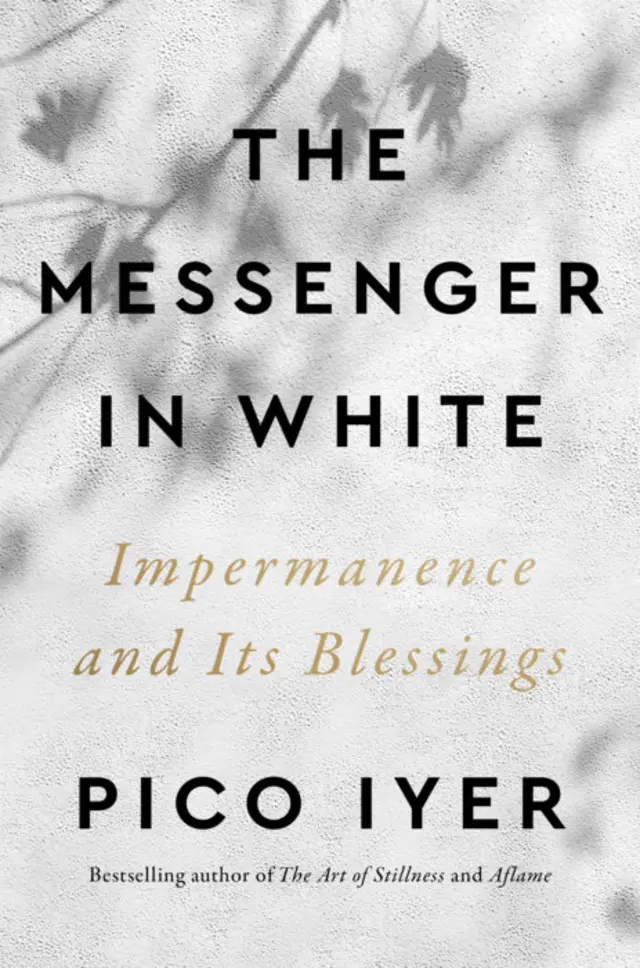
Iyer’s reflective approach to aging and care may interest readers of personal essays about attention, companionship and change.
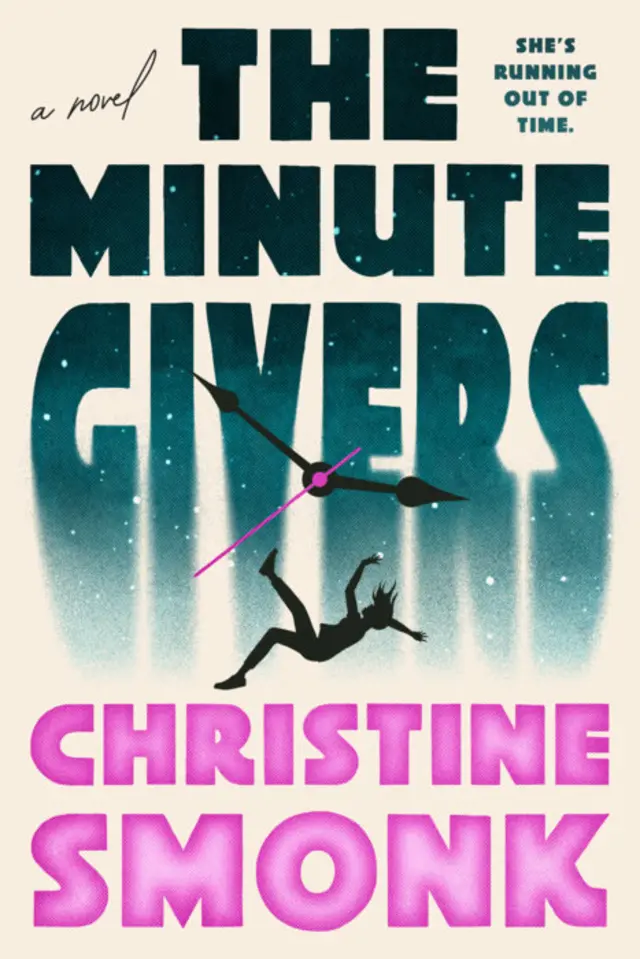
Its minute-by-minute time-rewind rule gives this debut a clear speculative hook while its investigation structure places it naturally between science fiction and suspense.
Public numbers and private text warnings turn ordinary streets and homes into the setting for an escalating disappearance mystery.
Marshall turns the language of reinvention into a source of suspicion. A returning group and a changed retreat link a current investigation to an earlier collective secret.
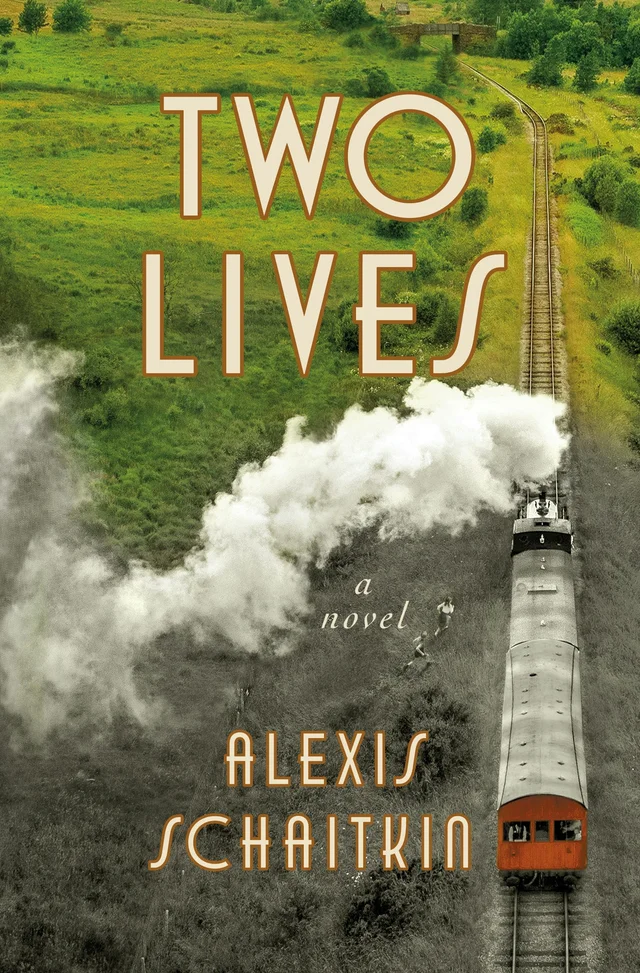
Schaitkin joins a present-day literary encounter to wartime displacement. The question of who owns a remembered story gives the historical material a personal point of entry.
Yelle draws on Poe’s poetry for a YA gothic story in which two estranged sisters must rebuild trust while escaping inherited grief and a castle’s curse.
Yoon returns to young-adult romance with a story about chance connections and the urgency of an uncertain future.
Jakes uses a biblical storm to explore the gap between public leadership and private uncertainty, with Christian faith central to the book’s perspective.
Deón approaches D-Day through a fictional Black woman’s life, connecting the battlefield with earlier struggles over education, family responsibility, and freedom.
Martin connects civil-rights history with the practical work of Black community institutions, arguing for collective action rooted in local networks.
A series of shared quests brings three estranged friends together, asking whether the chosen family they once promised can survive betrayal and forgiveness.
A debut family saga offers room for private lives to unfold against a larger historical setting.
Wang makes artistic ambition part of the relationship itself. Readers of Chemistry and Rental House can follow another closely observed study of intimacy.
A relocation officer’s assignment puts institutional duty in conflict with ecological resistance, making climate pressure part of the character’s dilemma.
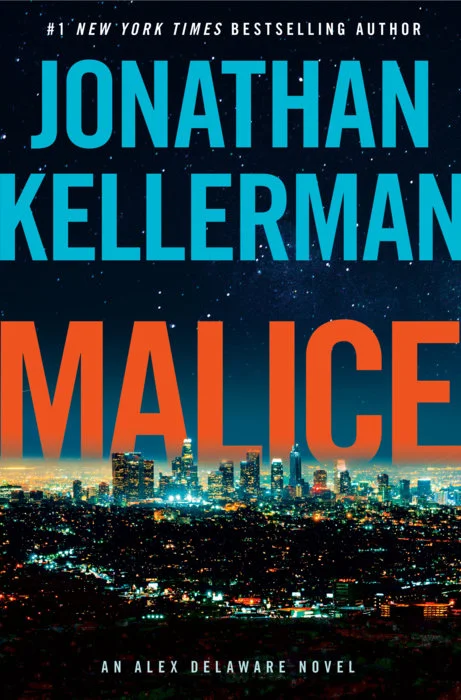
Delaware and Sturgis give Kellerman’s returning readers a familiar investigative partnership. The disconnected victims make this an entry for readers interested in motive and psychological patterns, alongside the procedural work of tracing a killer.
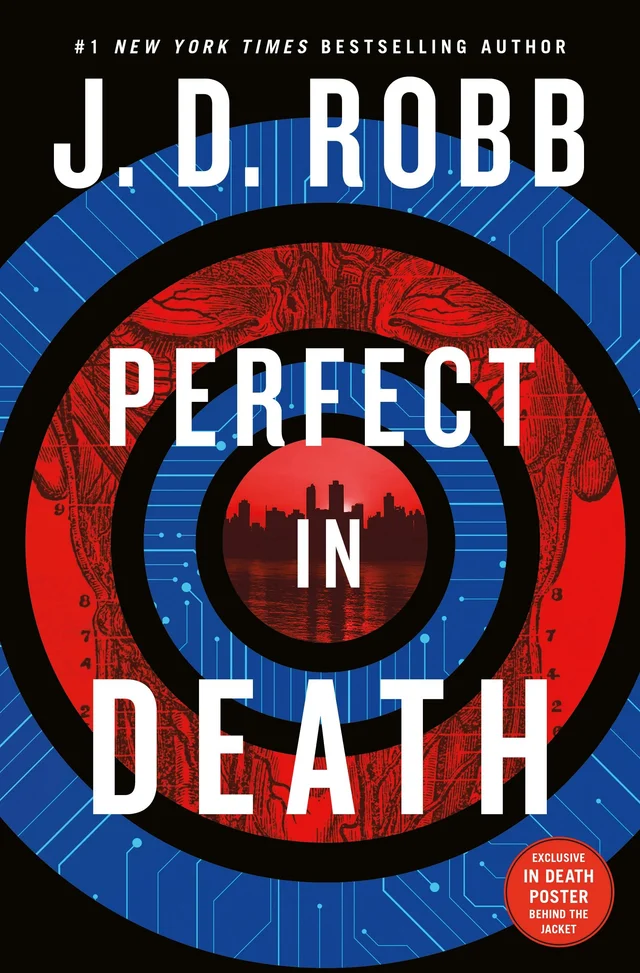
The sixty-fourth In Death novel brings Eve Dallas and Peabody into an academic murder investigation where medical knowledge may help explain the violence.
An epistolary story brings a half-fae writer’s retreat into contact with Dutch island folklore, curses, and a new attraction.
Olive and Adam’s story continues beyond The Love Hypothesis, asking how a shared relationship survives career decisions that may lead in different directions.
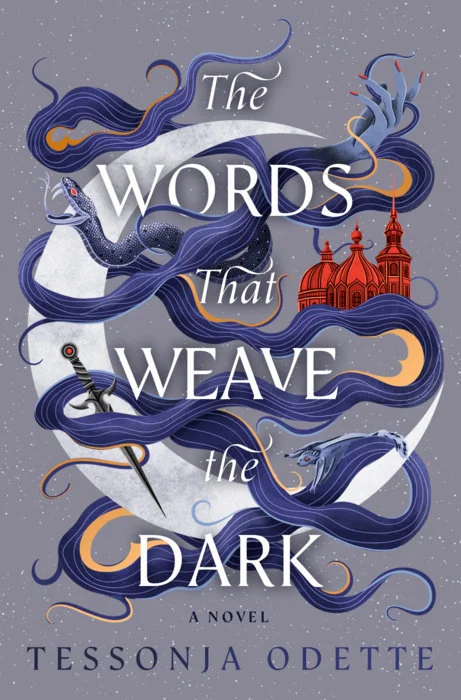
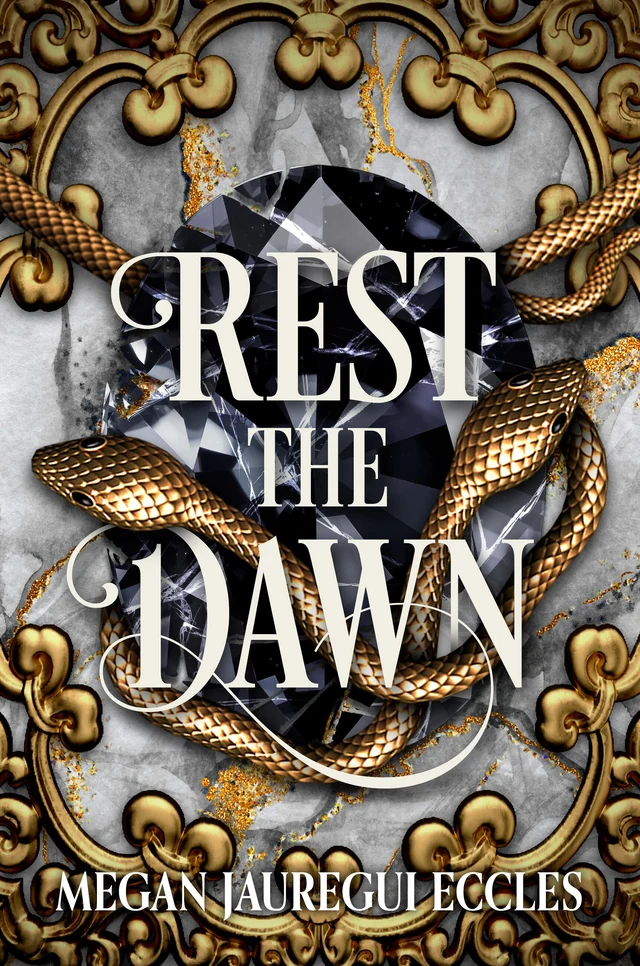
The sequel to The Lies That Summon the Night makes Inana’s growing power inseparable from the restraint her mission and relationships require.
A practical introduction to intellectual habits offers an ideas-focused release for readers interested in philosophy outside a formal academic course.
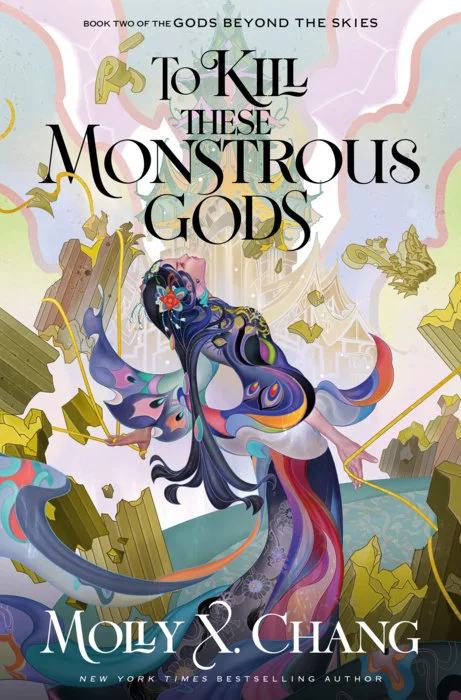
The second Gods Beyond the Skies novel continues the occupation story begun in To Gaze Upon Wicked Gods. Its assassination plan makes the sequel’s stakes explicit.
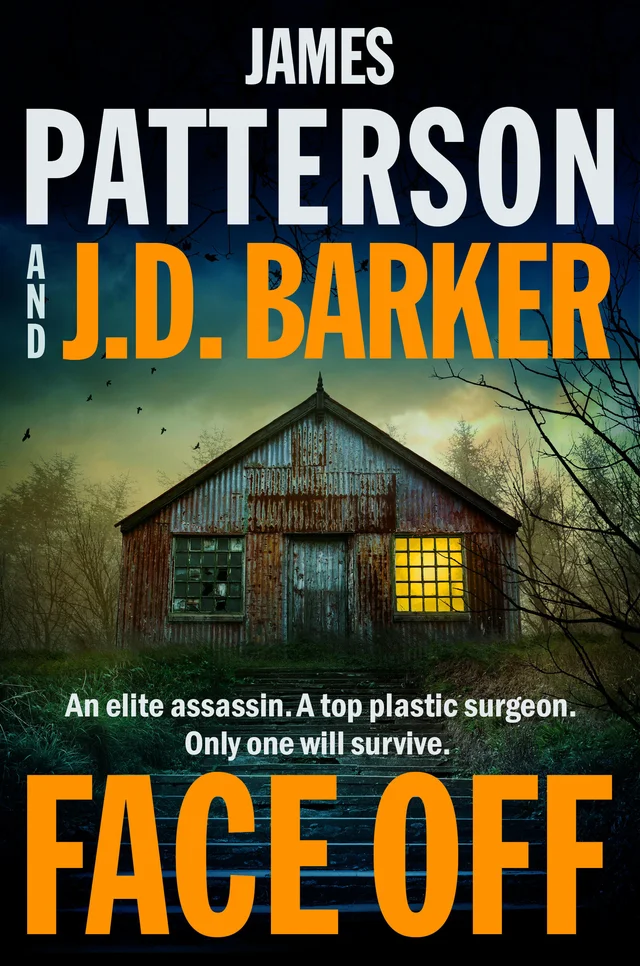
Patterson and Barker turn specialist medical knowledge into a means of coercion. The confined setting gives this collaboration a clear survival-thriller hook.
Cohen follows The Netanyahus with another novel about the space between public history and private lives. The focus on Herzl’s descendants makes the family tragedy, rather than a biography of the political figure, the central reading proposition.
Harris opens a new portal fantasy series, giving readers of her Sookie Stackhouse novels a fresh world of family alliances and dangerous attraction.
Oakley uses concerts as the structure of a long relationship. Readers interested in music, missed chances and the costs of fame have a distinct premise to follow.
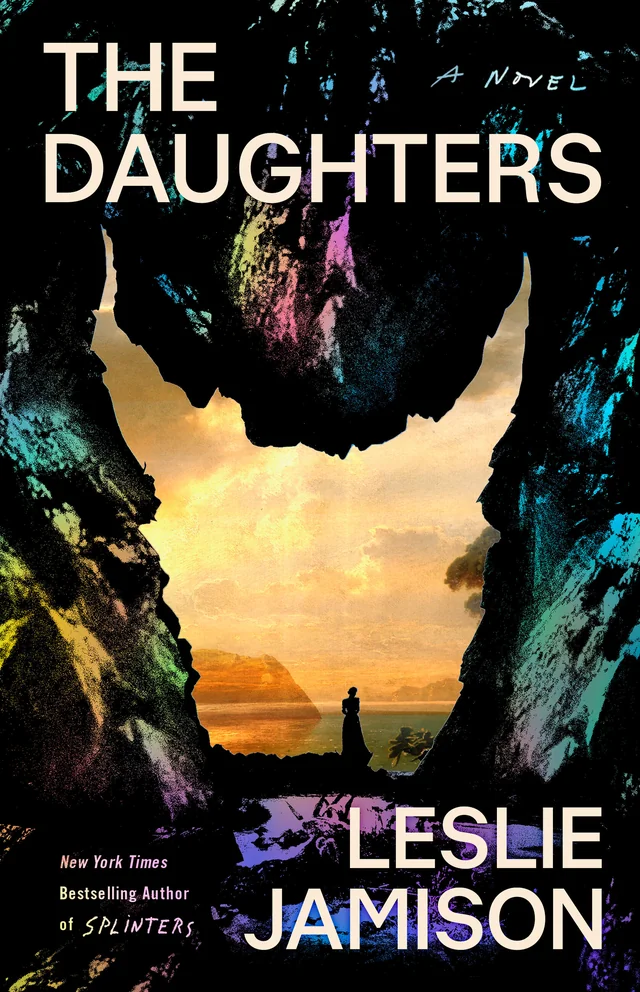
Jamison returns to the novel with three women linked by an ancient myth and a story centered on relationships between women.
Damour turns the focus of her work with family emotions toward caregivers, asking how parents’ own feelings affect the care they give.
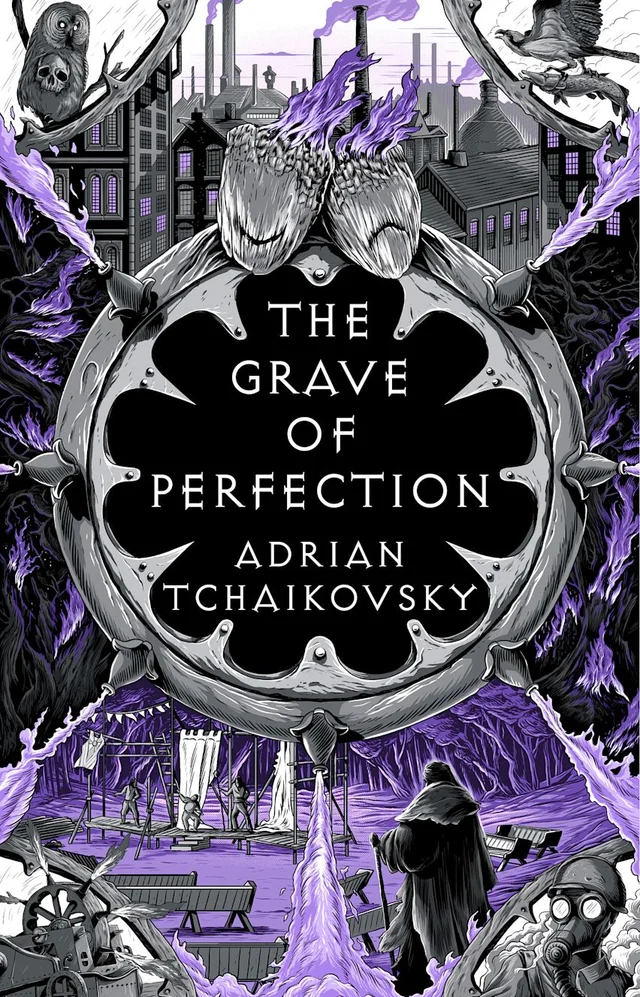
The Tyrant Philosophers concludes in the city where it began, with a playwright’s final commission placing art inside the resistance to Palleseen rule.
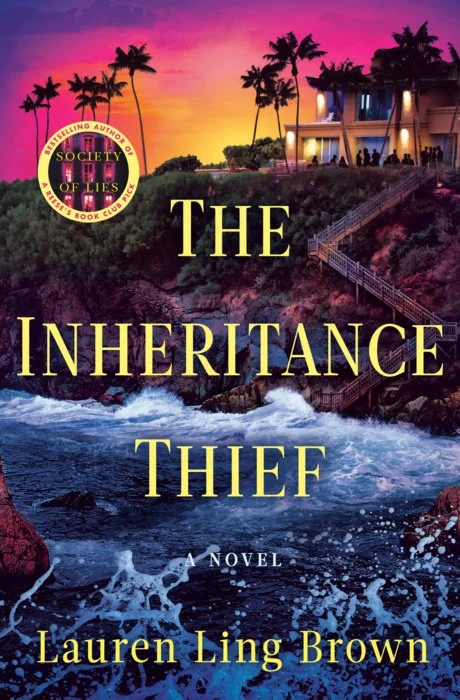
Brown follows Society of Lies with another thriller about access, status and concealed connections. Malibu and Chamonix provide contrasting settings for an investigation rooted in the employer’s unsettling knowledge of Zoe’s family.
A summons to Capri gives three sisters a reason to reunite, bringing their hopes of seeing one another into a difficult relationship with their artist father.
Grace opens In the Paddock with a Formula 1 reunion, where a past scandal and the scrutiny surrounding a new driver complicate a second chance.
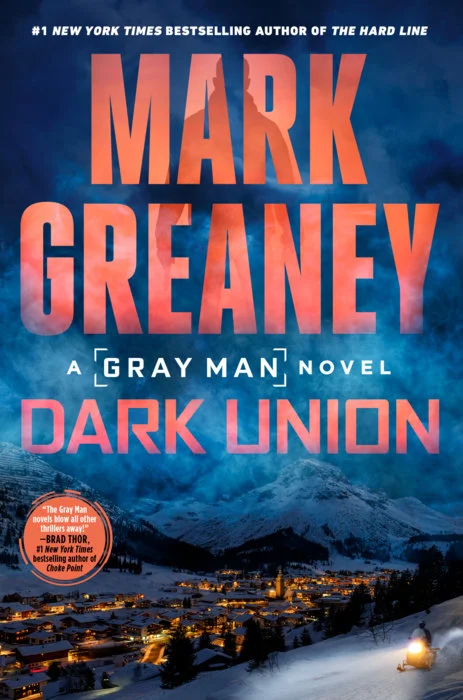
A glimpse of the brother he believed dead gives the Gray Man a personal reason to challenge a carefully protected family history.
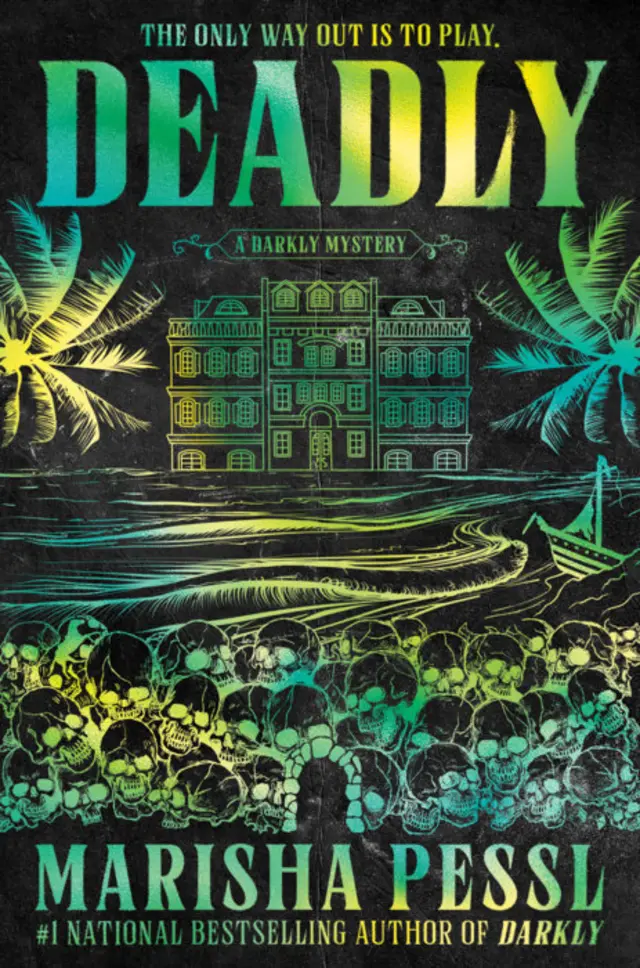
Pessl combines a missing-person investigation, puzzles and romance with the world of Darkly.
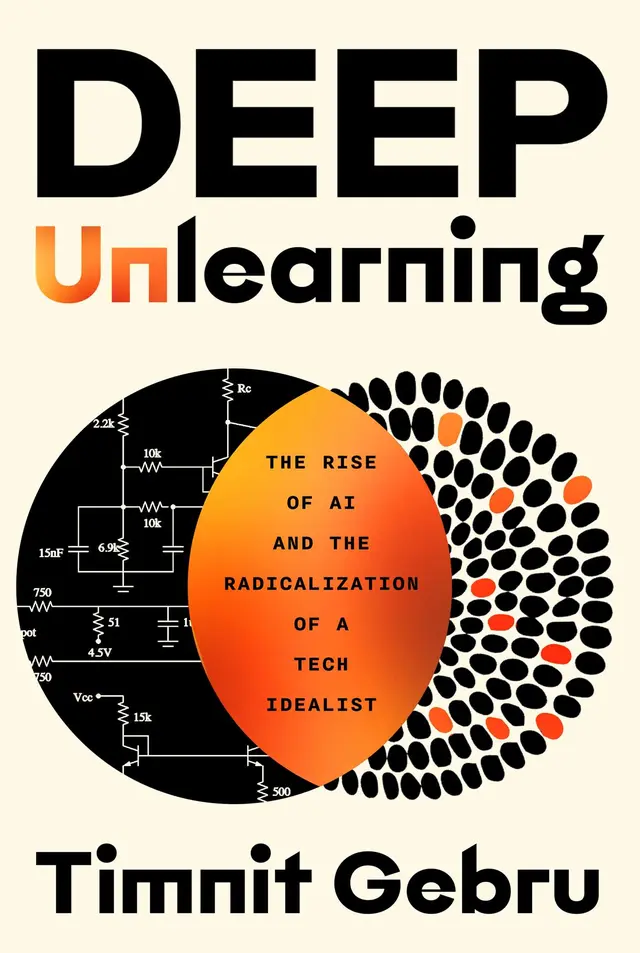
A first-person account from inside modern AI research that links personal history to questions of bias, institutions and technological power.
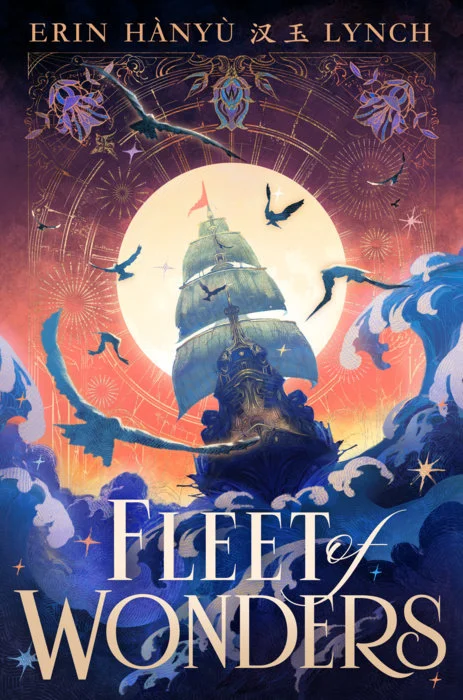
False identities offer two friends a chance to escape poverty, but winning the imperial competition means serving the power that conquered their parents’ homeland.
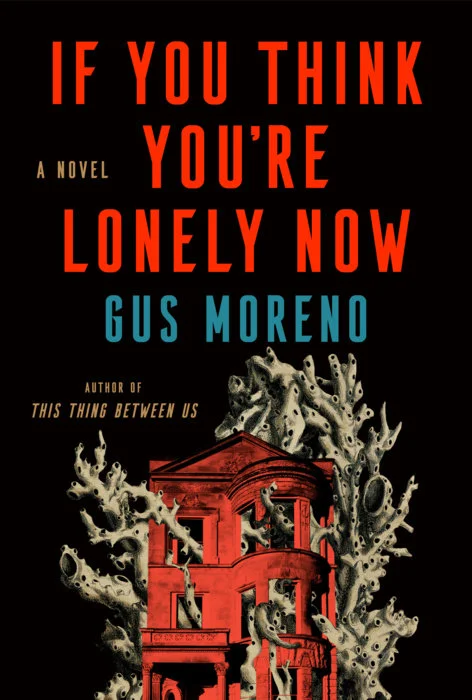
Moreno returns after This Thing Between Us with another intimate source of dread. Property ownership and the wish for financial escape give the haunting a recognizable pressure point rather than treating the building as an isolated supernatural puzzle.
Lichtman narrows the timescale to explore a broad moral problem: what people owe one another when their lives intersect. Readers of Calling Ukraine get another novel balancing uncomfortable consequences with a searching, sometimes comic perspective.
Rivers opens the adult Faded Ink romance series with a university’s secretive order and a bargain that turns attraction into an assassin’s dilemma.
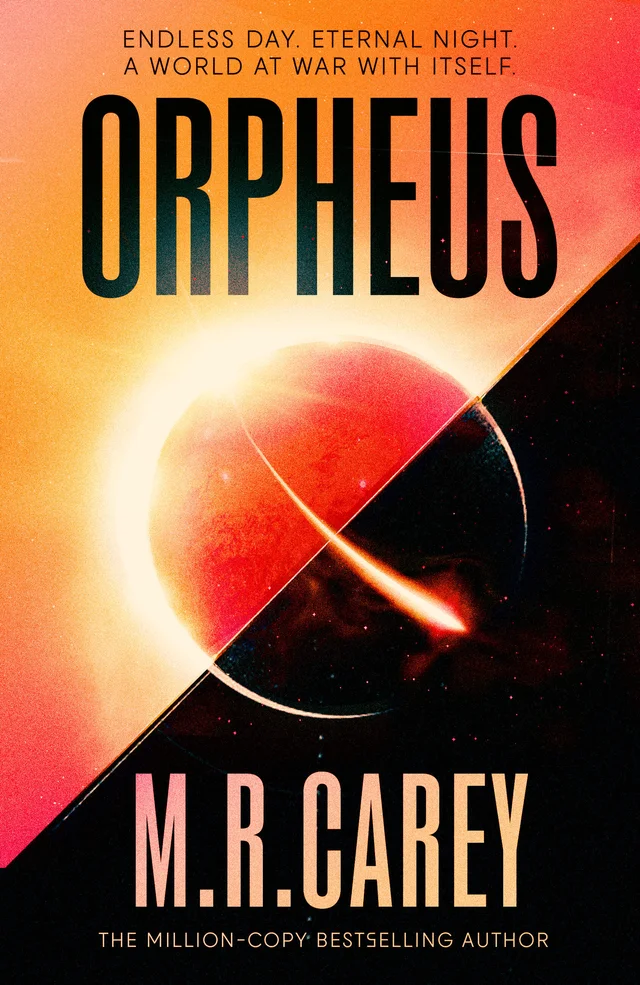
A permanently divided planet gives Carey’s adventure a physical boundary to cross, as Bead’s search for his mother leads him toward the frozen dark.
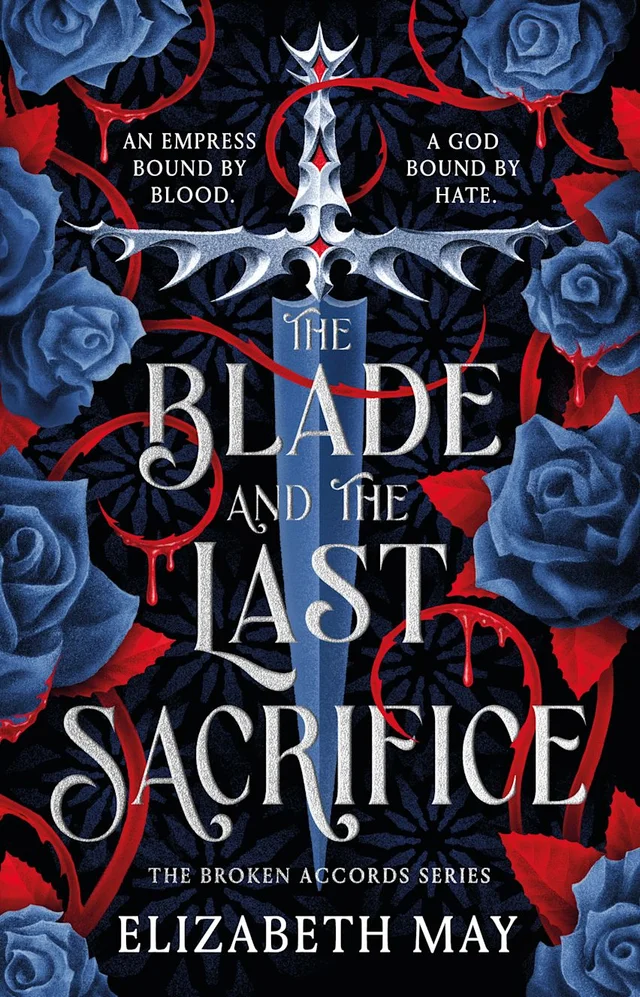
The second volume places Theodora’s duty to protect a fragile barrier alongside her dependence on an immortal who resents having to guard her.
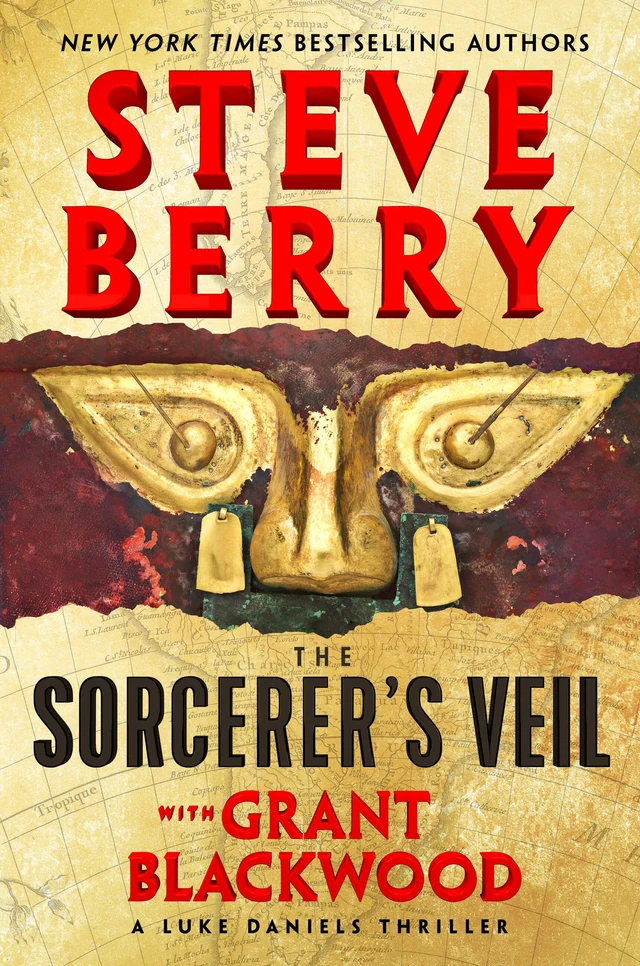
Berry and Blackwood continue Luke Daniels's adventures with an artifact hunt linking wartime cultural diplomacy, family memories and a present-day conspiracy.
Cooper's constellation-based YA fantasy begins with a would-be villain inside the institution opposing her, creating an immediate question about trust and redemption.
Patterson’s reported nonfiction, written with journalist Vicky Ward, connects a high-profile criminal case to its wider cultural reception. Readers interested in healthcare, media attention and public anger can track the forthcoming account here.
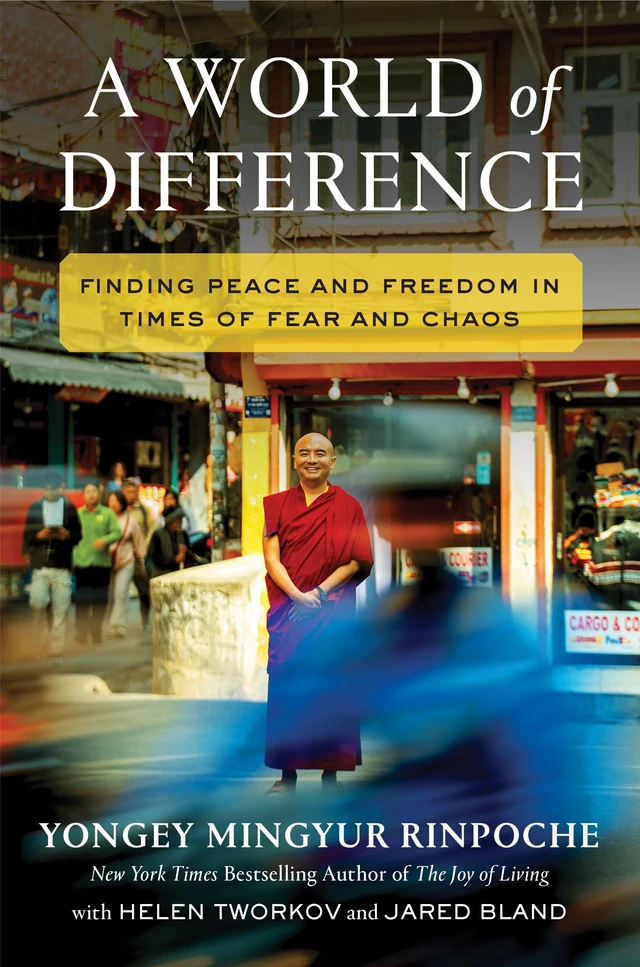
Rinpoche draws on Buddhist practice to examine fear and uncertainty, asking how people can respond to circumstances beyond their control.
The familiar act of looking up a word opens into a history of cultural authority, changing usage, and the people who decide how dictionaries define them.
Tooze connects climate politics, industrial policy and geopolitics through an economic historian’s lens.
The aftermath of a failed uprising sharpens Emeline’s divided loyalties in the continuing Conform story, with one bond binding her while another person remains captive.
Harry Hole returns for readers invested in Nesbø’s recurring investigator and the tensions of a long-running crime series.
A radio station’s uncertain future makes Maggie and Cooper adversaries at work, while their anonymous correspondence creates a very different relationship.
This Southern gothic mystery blends a working mortuary setting with paranormal clues.
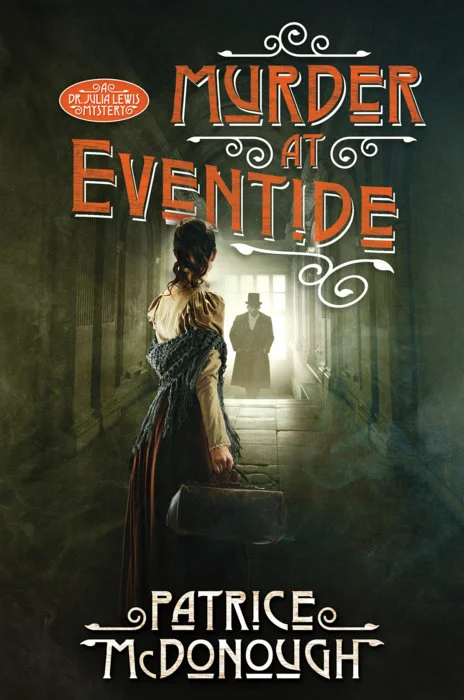
McDonough combines Victorian professional life with an investigation shared by a doctor and a police inspector. The missing notebook gives the case a concrete evidentiary puzzle.
The sequel to Sing the Night develops its operatic magic into a story about artistic ambition and royal control, continuing the Opera Magique series.
Cherry tells her own story of work and reinvention, tracing how a move from adult entertainment to Euphoria changed the public narrative around her life.
Holland’s Break Wide the Sea duology concludes with a shared search for a weapon, while a war and unresolved romance test Annie and Silas’s alliance.
The sixth Bone Season book is the penultimate entry in a long-running speculative series, making it an important February release for returning readers.
The first eight volumes have an established readership, making the newly announced ninth installment a useful date to follow as publication details emerge.
A nurse’s encounter with an injured Bigfoot shifter turns a mountain rescue into a playful paranormal romance and a fight to protect his valley.
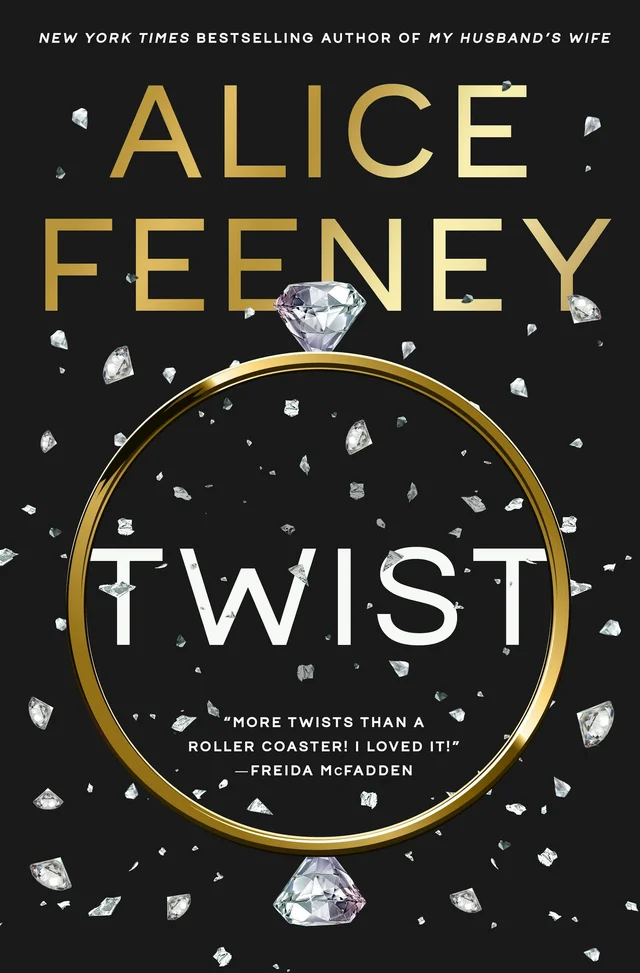
A double marriage gives Feeney’s thriller several competing versions of domestic life, with a murder making the hidden relationships impossible to contain.
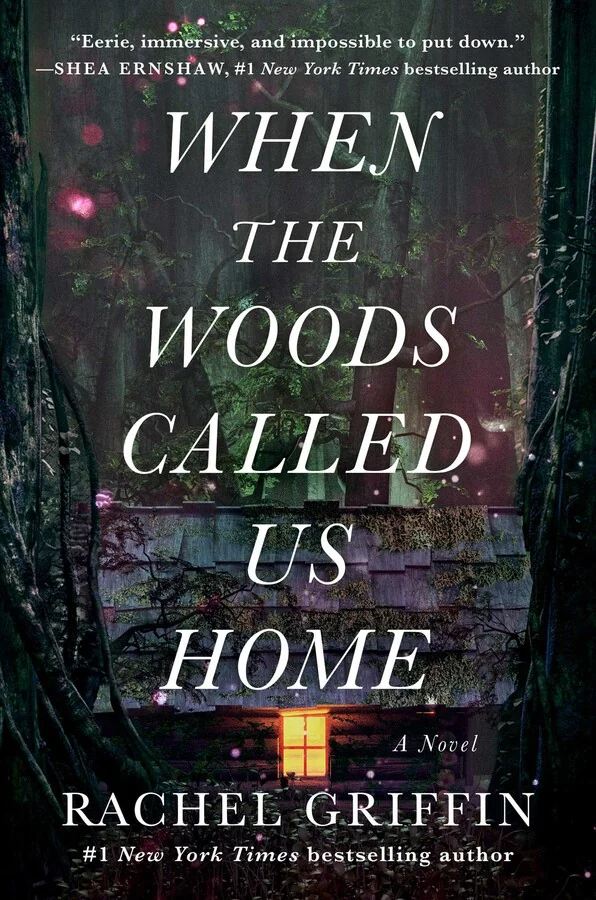
Griffin brings her nature-inflected atmosphere to an adult mystery rooted in a missing person and a divided family.
Winn follows In Memoriam by reworking Arthurian desire, devotion and rivalry. Its overlapping attachments distinguish this from a straightforward retelling of a familiar romance, with political uncertainty pressing against the characters’ private ambitions.
Cast launches a new YA fantasy rooted in Highland water lore, with a human-and-kelpie bond distinguishing it from her established series.
Maurer follows one intelligence operative through clandestine work, capture, and escape, making individual resistance the thread through a wartime biography.
An inherited itinerary joins two generations of romance, as the grandchildren following it face responsibilities on opposite sides of the Atlantic.
Clayton’s first adult fantasy brings forbidden love and the pull of home together in New Orleans, opening a new series.
The second Barbaric Ledgers adventure turns a festival into a heist, with a divine prison and an endangered wizard complicating Gotchimus’s plans.
Eisen and Weinreb trace how an offseason administrative event became a television spectacle, connecting football history with the machinery of sports media.
Eckstein connects the Jewish declaration Here I am with the everyday obligations of presence, using biblical teaching and humanitarian work as her guides.
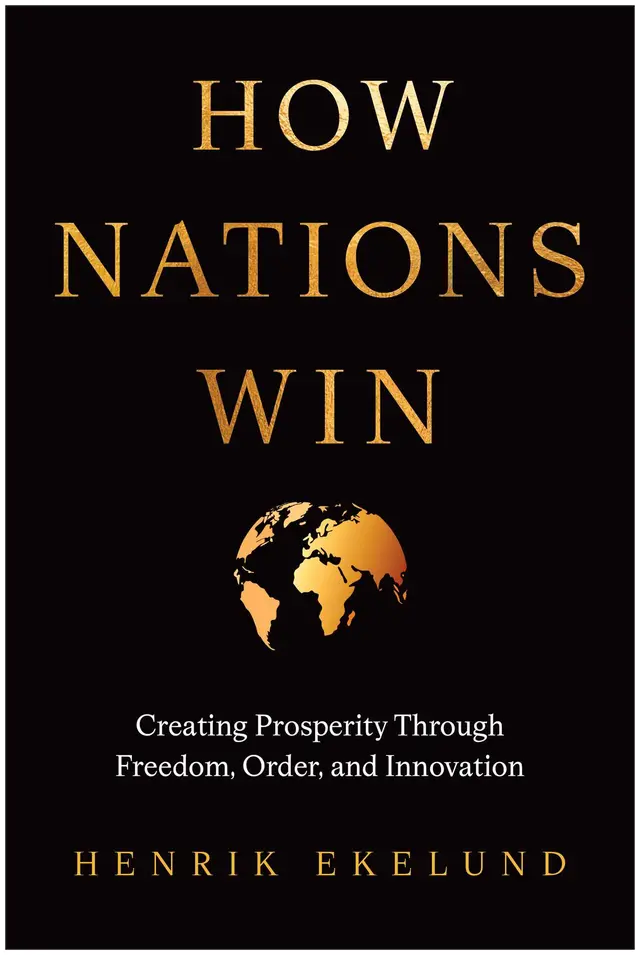
Ekelund examines national growth across countries and periods, giving readers several ways to consider the relationship between policy and prosperity.
Its first-contact premise uses language and survival to build a large-scale speculative story.
Curie’s path from Poland to Paris connects scientific discovery with the institutions, personal choices, and public pressures surrounding her work.
Everett follows James with another historical novel concerned with race and authorship. Music supplies a new route through questions of power and ownership.
Readers of Deep Work and Digital Minimalism can follow Newport’s interest in attention into the broader question of how to build a deliberate daily life.
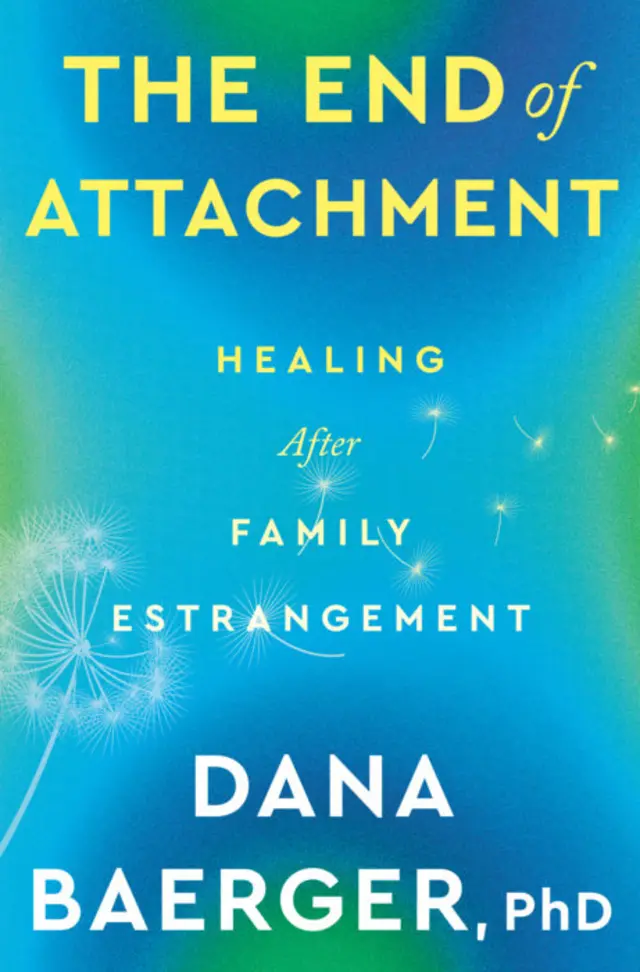
Baerger examines family estrangement through the difficult choice between repairing a relationship, setting boundaries, and maintaining distance.
Reid moves from celebrity-centered fiction into a road story about female friendship and deception. The 1970s setting offers a different entry point for readers who know Daisy Jones & The Six or The Seven Husbands of Evelyn Hugo.
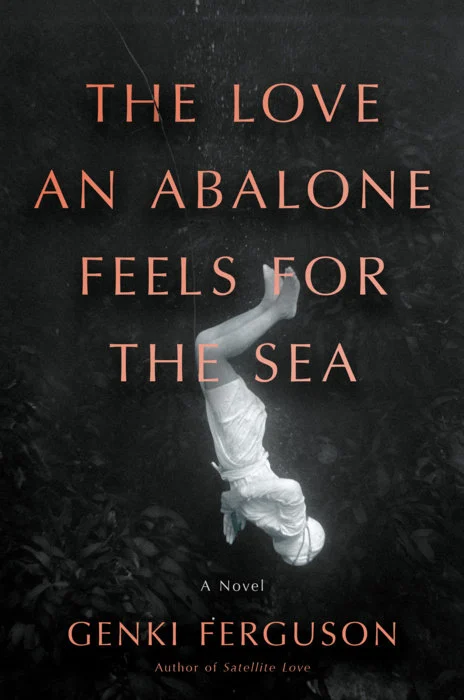
Ferguson’s adult coming-of-age novel draws a brother through the fragments of his sister’s life, with ama diving and an unsent letter complicating his understanding of her death.
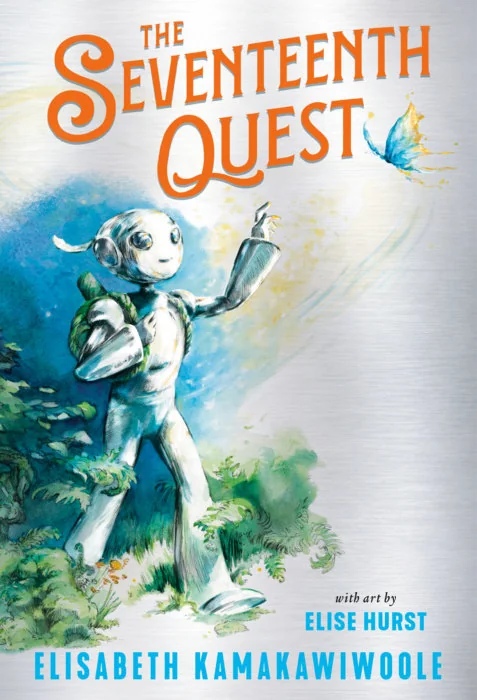
A robot’s wish to become a knight makes storytelling part of a middle-grade adventure about finding humanity and making a connection of his own.
Amy Tintera's darkly comic suspense story uses a difficult stepfamily and a buried earlier murder as a fresh mystery framework.
Patterson and Ellis return to the world of The Black Book. The Harney family’s mixed loyalties make the collaboration a useful addition for readers following Patterson’s police thrillers and Ellis’s work as a novelist.
Family journals and correspondence reveal a mother’s artistic life, prompting Wen to reconsider the relationship between women’s ambitions and the care they provide.
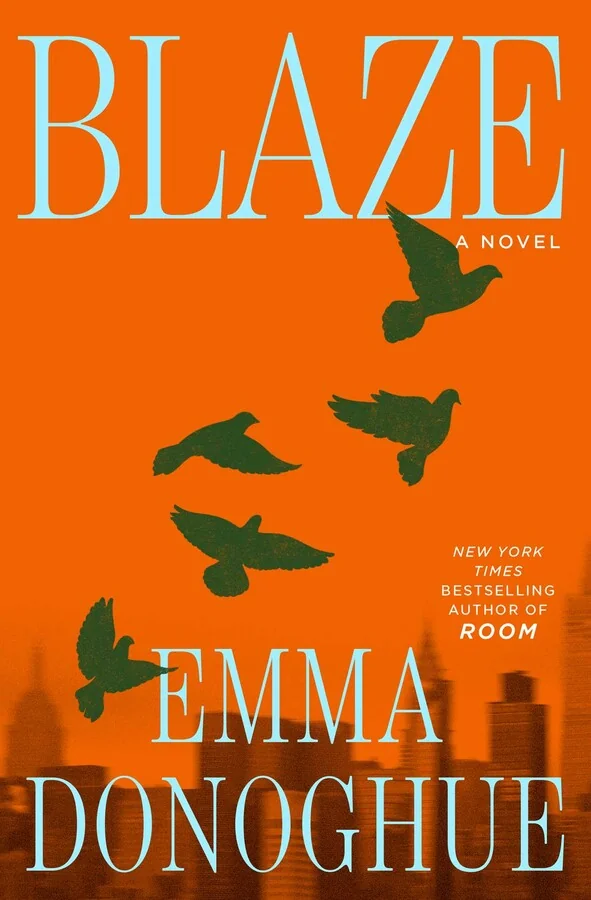
Donoghue's post-apocalyptic coming-of-age story approaches a familiar setting through an unexpected narrator.
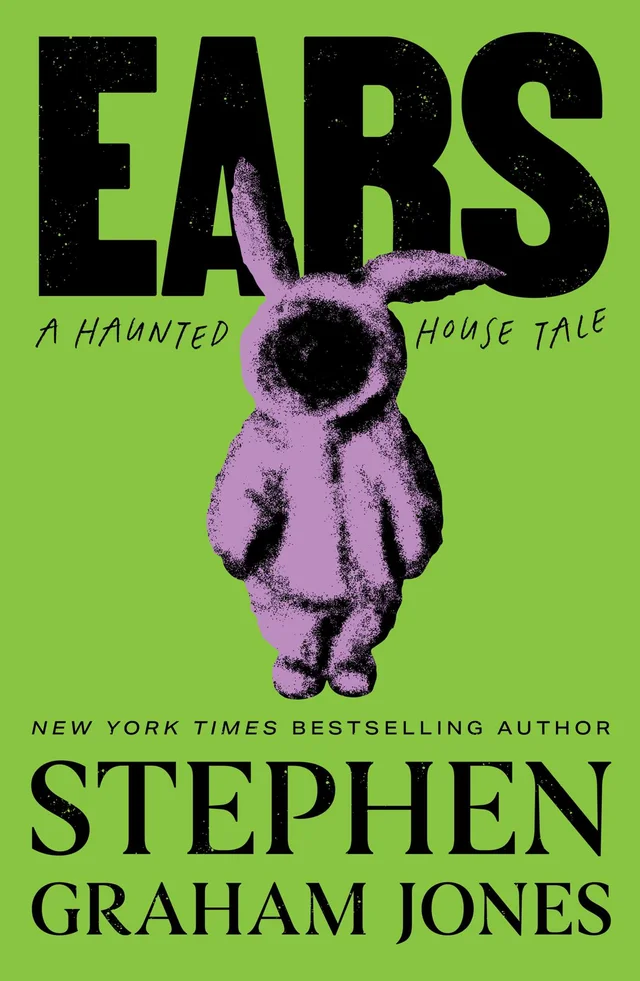
Jones compresses a haunted-house story into a novella about belonging and dependence. The uneasy alliance between caretaker and ghost offers a distinct premise for readers following his longer horror novels.
Fuel theft and unexplained disappearances bring a police chief together with a UFO investigator, giving an apparently local mystery an uncertain speculative threat.
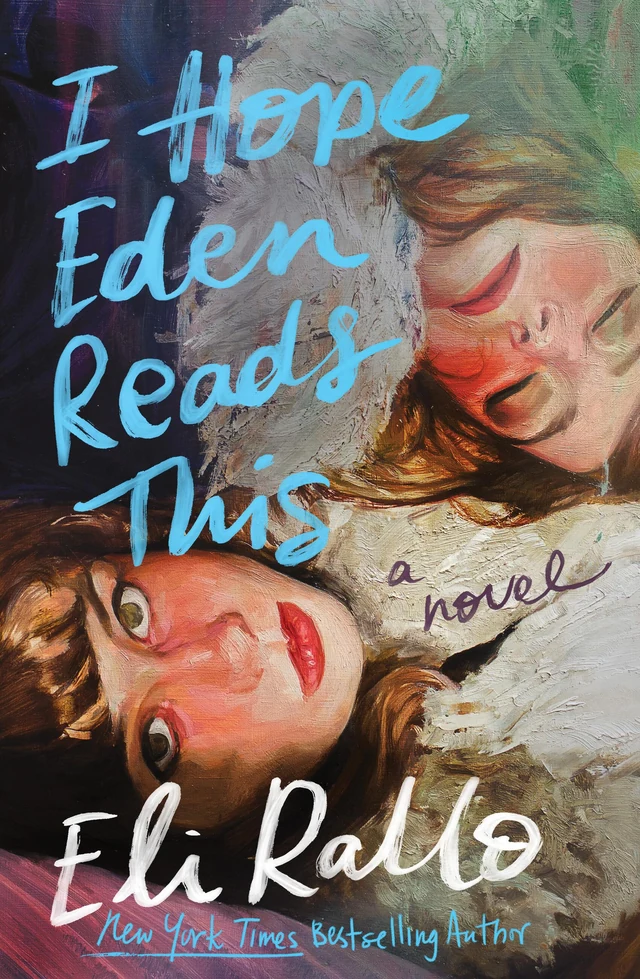
Rallo’s fiction debut treats the loss of a defining friendship as its central rupture, following Penny across both the relationship and its aftermath.
The third Story Lake romance turns to Grace and Levi, with a bookstore job and a lakeside community at the heart of Grace’s attempt to start again.
Guilardi’s debut reworks Persuasion through contemporary celebrity and film production. The sequel contract makes the reunion unavoidable, while Anna’s public career and family obligations complicate the second chance she might otherwise choose.
Ishiguro’s new novel brings a comic caper to his interest in uncertain perception. Its prewar setting offers a different entry point for returning readers.
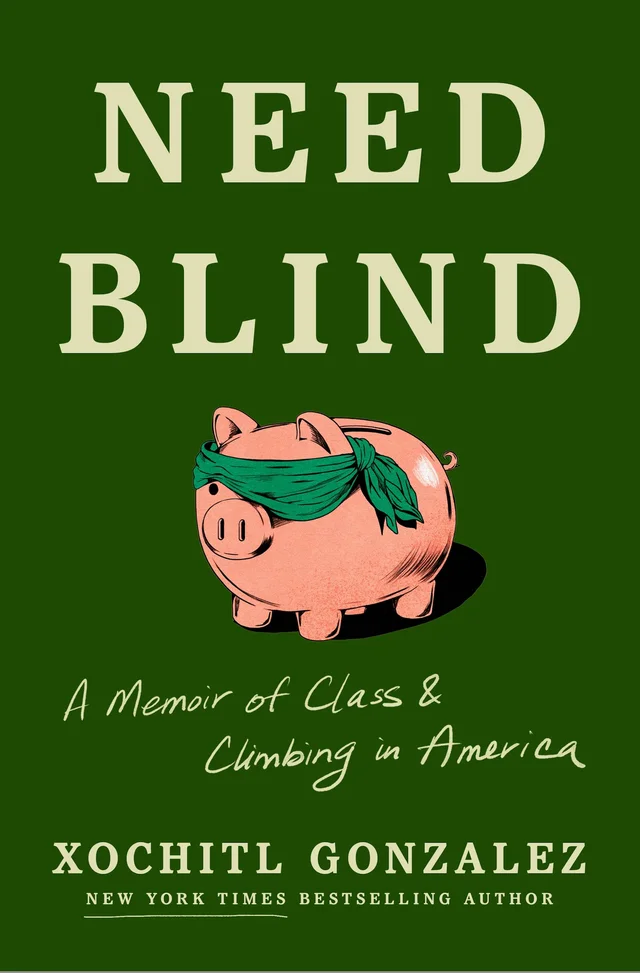
Gonzalez brings her experience of moving from working-class Brooklyn into elite institutions to an examination of class, mobility, and American power.
Unger connects an isolated domestic setting with the danger of a public smear campaign. Readers of her psychological suspense can follow Ivy’s predicament as financial vulnerability and a stranger’s apparent generosity become difficult to separate.
May extends the conversation of Wintering toward the obligations of care. The focus is on lived experience and its contradictions rather than a promise of effortless resilience.
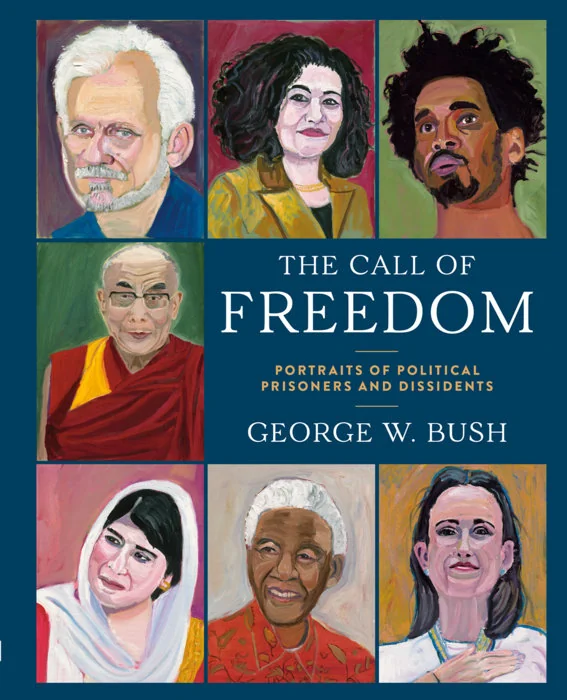
Bush pairs portraits with accounts of political imprisonment, bringing individual lives into view through painting and short biography.
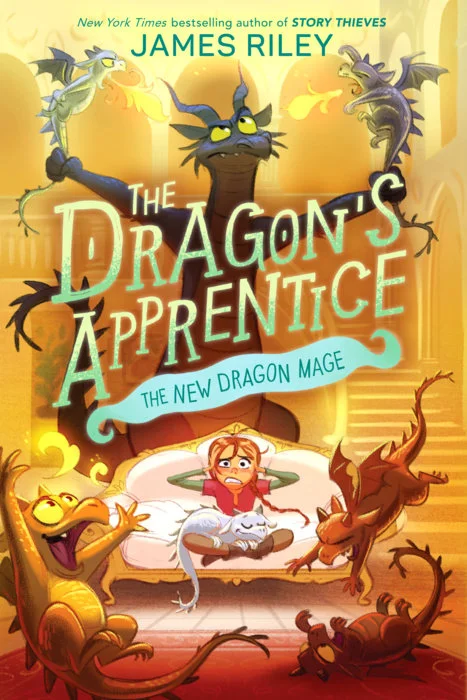
Ciara’s increasing power becomes a political liability in the fourth Dragon’s Apprentice adventure, as a new opponent seeks to erase magic itself.
A domestic psychological thriller set against a winter landscape, from the author of the novel behind Tell Me Lies.
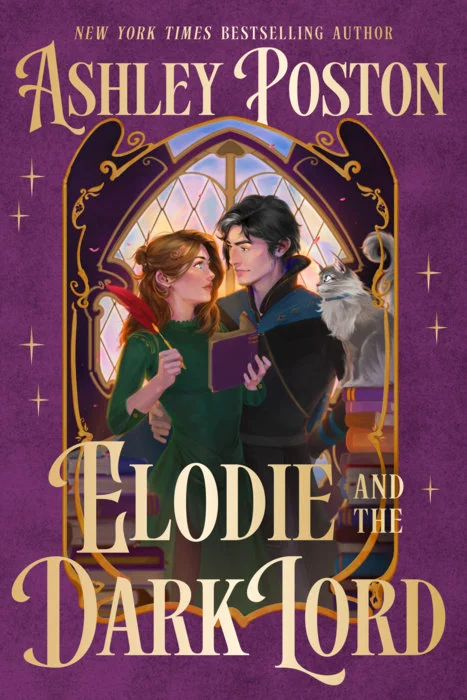
Poston gives a librarian a disruptive relationship to magic, making the ability that sets her apart a possible answer to her brother’s disappearance.
Melville’s journey connects the biology of long-lived trees with the human histories around them, asking what their survival reveals about decisions over land.
A closed community and an impossible body combine a mystery structure with Tchaikovsky’s speculative world-building. This standalone offers an entry point for readers who are not ready to begin one of his longer series.
Baker follows four baseball teams through a changing postwar New York, linking the game to the city’s racial, economic, and social transformations.
Reid's return to the novel takes the form of a violent Western, using a revenge journey to examine family, landscape and moral choice.
Williams follows hustlers and counterfeiters through the post-Civil War economy, connecting historical change with the decisions of individuals.
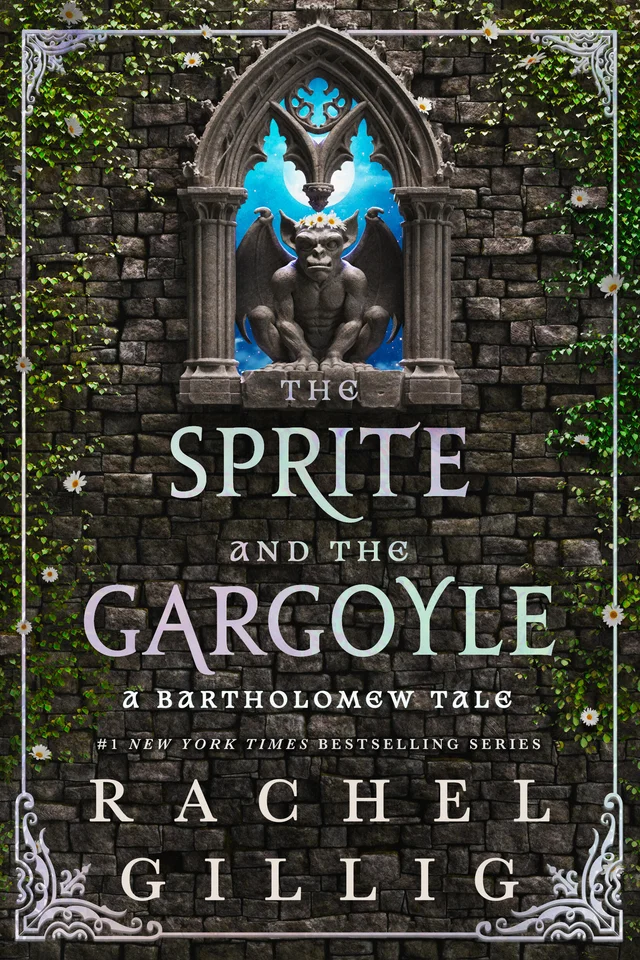
Bartholomew returns a century after The Knight and the Moth, giving this shorter standalone a familiar companion and a new young king to follow.
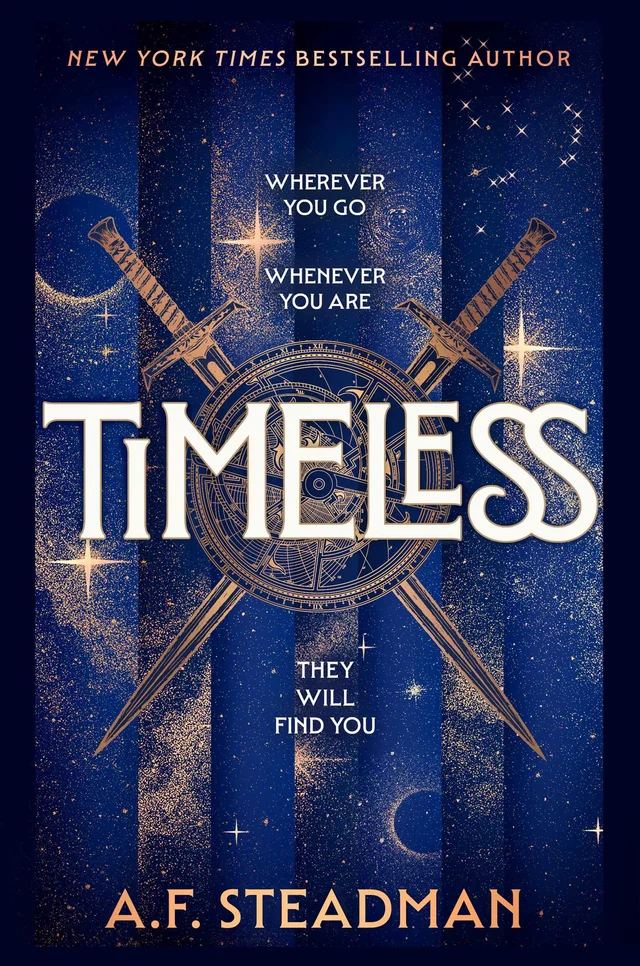
Steadman moves into adult fantasy with a time-traveling assassin whose attraction to an enemy threatens the history she has been trained to protect.
Pueyo's first full-length novel gives parallel realities political and personal stakes rather than treating them as a simple puzzle.
Snyder makes a small-town tear in time both a romantic possibility and a risk, as Everly encounters her own teenage mother in 1998.
Veterinarians’ own accounts connect the treatment of animals with the people who depend on them, giving care a reciprocal, sometimes unexpected shape.
Readers following the longevity debate can track Hyman's next argument about personal health data and prevention, with its proposed benefits understood as the author's claims.
The partnership between an outcast and a contrary bird gives Nayak’s series opener its character. Its fantasy intrigue begins with a job that goes wrong.
The book reframes a figure often remembered for fourteen months in the White House through the much larger intellectual, political and personal life around them.
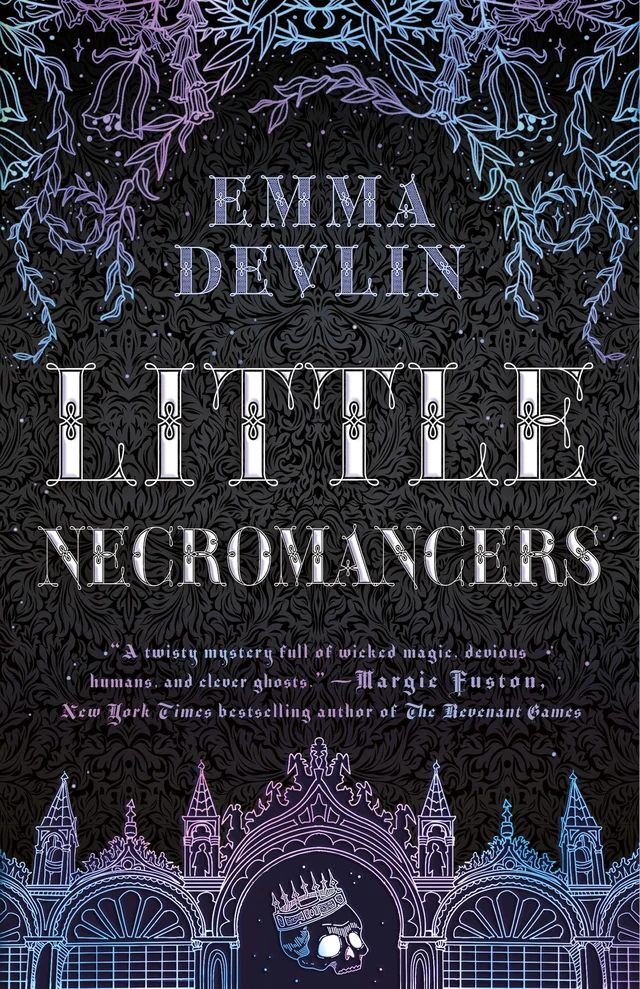
Devlin builds a YA whodunit around the economics of resurrection and an uneasy household of servants and employers, connecting magical power with inherited privilege.
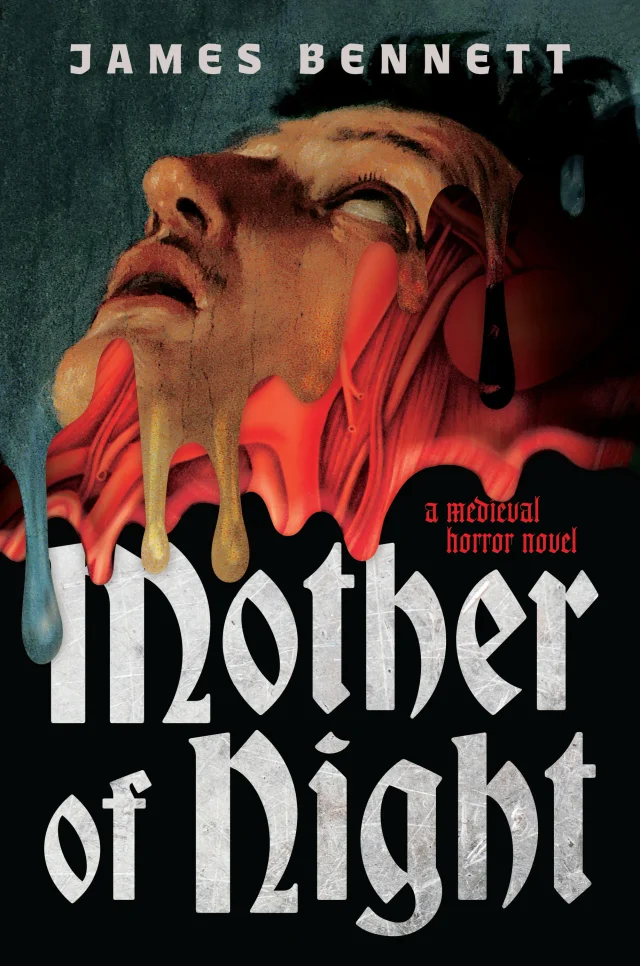
Bennett brings medieval history and supernatural horror into the same dangerous journey. Readers interested in haunted landscapes and loyalties under pressure can follow Jean’s determination to protect the person he loves.
Chapman takes an adolescent fantasy literally and follows it into adult heartbreak. The supernatural slasher premise gives the book a distinct identity for readers of Wake Up and Open Your Eyes and relationship-centered horror.
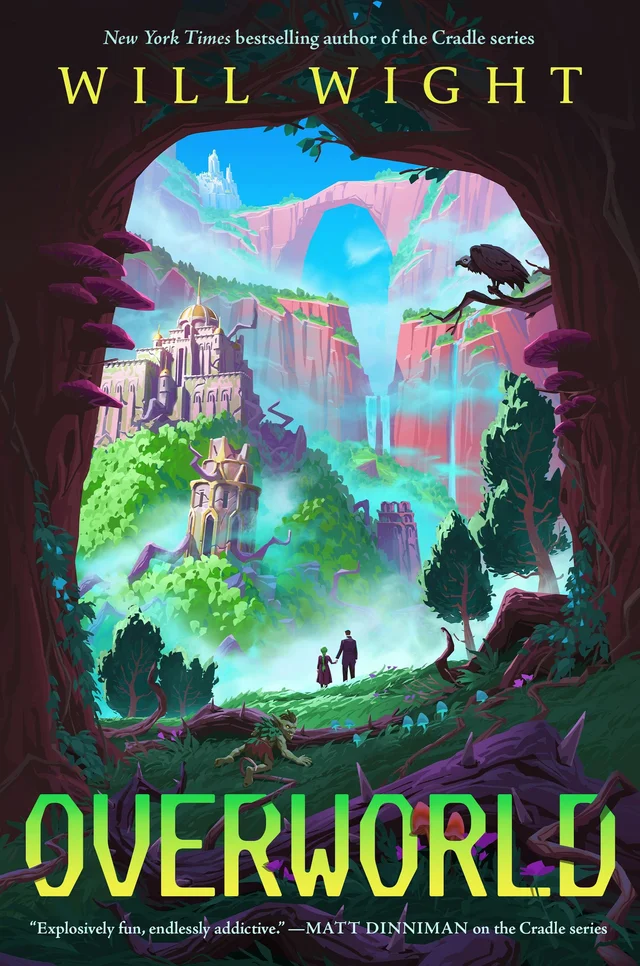
Wight’s first project with Tor introduces a new LitRPG adventure. A butler’s habits offer a different starting character for readers familiar with Cradle.
McFadden makes uncertain memory part of a killer’s own predicament: Samantha must work out whether the bodies she discovers belong to her waking life or her sleep.
The Experimental History writer turns his interest in scientific practice into a book about discovery itself. Its blend of historical cases and psychology offers an entry point for readers interested in innovation beyond biographies of individual inventors.
A prince’s lost memories turn a former love into an apparent enemy, making a marriage intended to prevent war a deeply personal test of trust.
A Neagley-led series opens another route into the Reacher universe while giving the supporting character a case of her own.
A speculative frame lets Buxbaum explore memory and change across the span of one woman's life.
St. James turns a familiar literary reference into a contemporary story of family wounds, queer identity, and a second chance at love.
Riordan and Lukoff return to Camp Half-Blood through Harper, whose search for belonging brings new challenges for a child of Aphrodite.
Brown's romantic suspense brings two apparently separate bereavements into one investigation, a useful starting point for readers following her standalone thrillers.
Jane’s granddaughters uncover remains that put decades of silence at risk, linking a present-day lakeside investigation to the summer of 1955.
The trilogy finale gives dark romantic suspense readers a natural place to continue, combining a fractured relationship with a dangerous common adversary.
Steinfort applies his work with athletes, emergency teams, and leaders to the everyday problem of choosing a next step when pressure disrupts performance.
Sandford brings Davenport’s personal history into the investigation. Jennifer’s newsroom work creates several possible sources of hostility, giving the latest Prey novel a specific link between public scrutiny and private loss.
Suarez returns to technological suspense through disaster preparation, autonomous weapons and unequal access to safety. The conflict makes AI part of the physical power struggle rather than an abstract future concern.
The author of Last Night at the Telegraph Club turns to memoir for young readers. Its use of several literary forms gives a new route into her work while retaining the family and identity questions familiar from her fiction.
O’Sullivan’s debut uses an adult return to childhood to examine guilt and unreliable recollection. Its three-girl friendship gives the suspense a specific emotional center for readers who prefer psychological uncertainty to an investigator-led case.
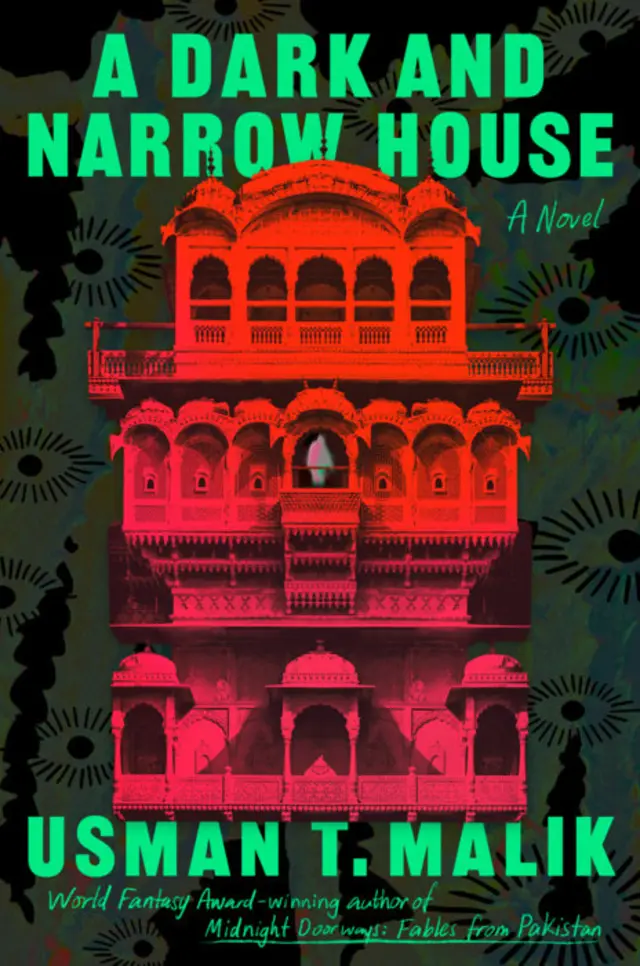
Malik combines folklore, dark fantasy and a haunted house, inviting readers into a supernatural world with its own rules.
Ramadan centers a Syrian family's migration within a familiar maritime disaster, combining an ensemble historical narrative with questions of home and belonging.
Putzier and Parker approach housing affordability through the landlords, financial systems, and policy choices behind the rent bill.
Doughty shifts attention from the ship’s legend to the treatment of its victims. Her mortuary perspective offers a distinctive route through a heavily documented event.
Erbelding follows a wartime refugee program through the policy decisions and community life that shaped people’s attempts to begin again.
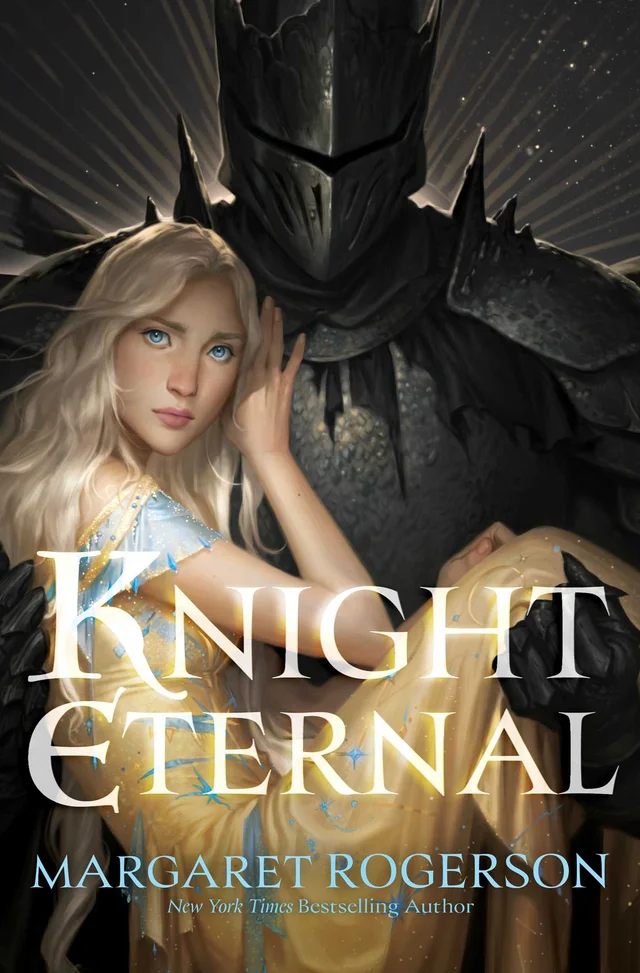
Rogerson pairs a tower-bound heroine with a protector whose loyalty is magically enforced, giving this YA fantasy a sharp conflict between love and obligation.
Yong makes scale the organizing question of this science book, inviting readers of An Immense World to reconsider life from its smallest forms to its largest.
Henry’s new romance begins with a getaway, offering returning readers another story from the author while fuller plot details remain to be announced.
Adams follows Jackal with a family-centered supernatural mystery. The sisters’ different reactions to an apparently welcome mourner make trust and inherited secrets part of the horror’s mechanism, alongside grief and immigration.
Bloom’s kitchen writing offers a different form of memoir from a continuous life narrative. Food provides an accessible thread through relationships and ordinary acts of generosity.
A Mars-bound, closed-system setting puts scientific constraints in direct contact with thriller suspense.
Finn offers a political reading of a decade of British crises, connecting episodes of institutional change within one historical account. His interpretation is presented as his own.
Hart follows Weyward and The Sirens with time travel threaded through two world wars. The relationship between individual rescue and historical consequence gives the book an accessible speculative question with a family-centered narrative.
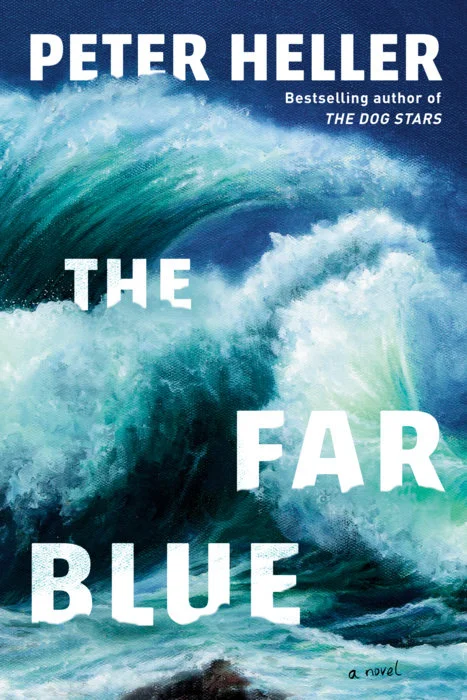
Heller’s outdoor fiction places moral decisions under physical pressure. Readers of The Dog Stars and The River can track a new coastal survival story.
Lukas places a speculative instrument inside the politics of wartime border-making. The combination of historical conflict and supernatural power gives readers of his earlier historical novels a new way into questions of land and competing claims.
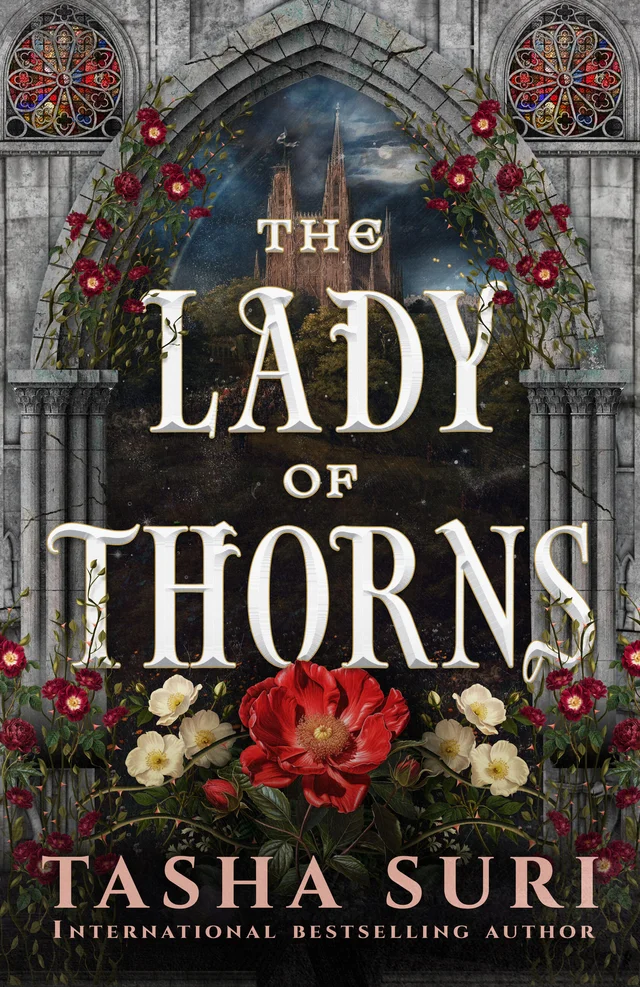
Suri brings moral uncertainty and a dangerous bargain to gothic fantasy, with a heroine forced to reconsider who deserves her loyalty.
Steven returns to immortal romance in a standalone fantasy, offering an entry that does not require following a numbered series.
The sequel to Weavingshaw continues Leena’s relationship with Bram while expanding the consequences of their escape. It is a continuing story rather than a standalone introduction.
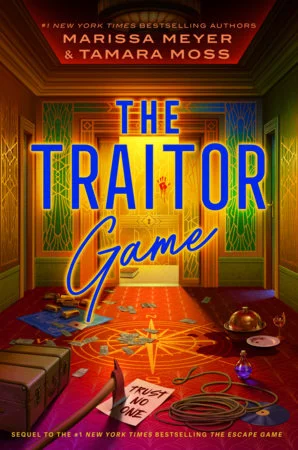
A returning cast and a puzzle-filled setting offer a clear next read for fans of The Escape Game and teen ensemble mysteries.
Reiss connects entertainment, activism and government policy in a wartime history about how public attention can become a political instrument.
Oshiro’s YA apocalypse removes the adults who promised protection, leaving teenagers to decide what resilience means when their unsettling warnings begin to come true.
Jackson uses Reconstruction to examine organized resistance to Black freedom, connecting a historical period with her argument about contemporary political judgment.
Lowe returns to personal nonfiction with an emphasis on how to live, rather than a career chronology alone. The combination of memoir and life reflections gives readers of his earlier books a different angle to follow.
An enchanted manuscript reunites two people with a difficult history, making the work of transcription part of a dangerous second chance.
Horowitz puts his fictional counterpart in the jury box, where a juror’s murder forces Hawthorne to look beyond the case the court believes it understands.
Burkeman continues the conversation begun in Four Thousand Weeks by asking how people can engage with life while uncertainty and limited control persist.
Archer’s postwar private-eye world expands into a conspiracy after a strange letter and a murder interrupt a visit from Liberty Callahan.
A second memoir from Westover gives readers a reason to revisit the questions of testimony and belonging raised by Educated.
Brown begins an adult fantasy series with two women resisting prescribed destinies. Its split between escape and infiltration gives the opening volume two complementary routes through power.
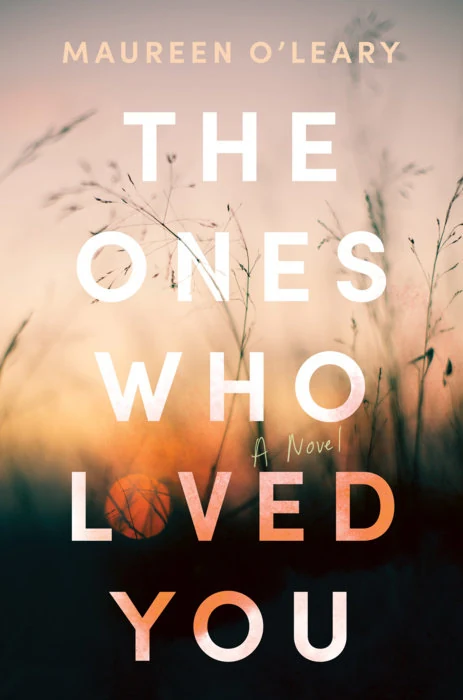
O’Leary places uncertainty about memory inside a love story, as a woman’s search for one partner brings a former boyfriend back into her life.
An invented ranching life becomes a practical romantic problem when a camera crew arrives and a skeptical cowboy must help sustain the illusion.
Rady extends the regional scope of The Habsburgs and The Middle Kingdoms. The borderlands perspective connects events usually divided among separate national histories.
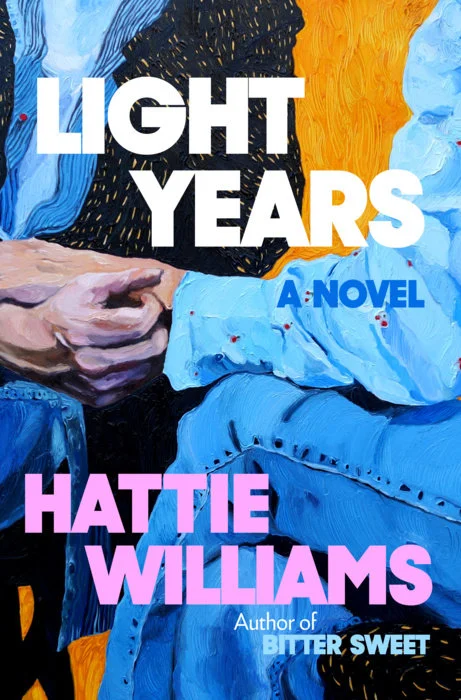
Williams follows Bitter Sweet with a second novel that traces the persistence of first love. Its decade-long structure and diverging ambitions make the tension about continued attachment, not simply whether two people will meet.
A writer’s life and manuscript connect colonial India with the First World War, bringing a literary puzzle into a historical narrative.
The graphic form lets Qatato move between inherited family stories and contemporary diaspora life, making memory itself part of the book’s structure rather than simply its subject.
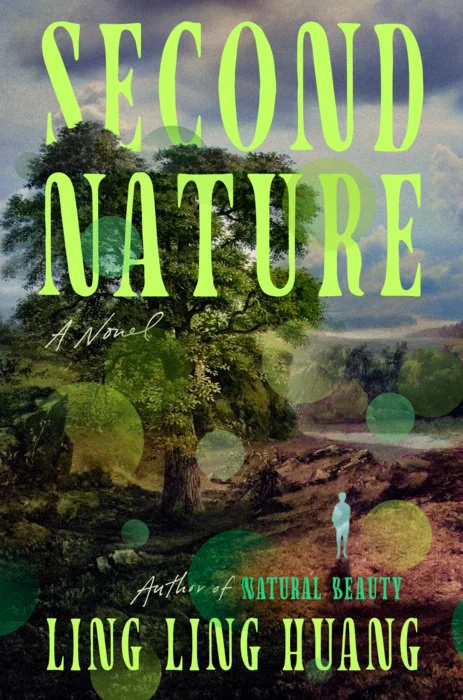
Huang follows Natural Beauty and Immaculate Conception with another invented social order. The focus on a boy’s faith and awakening desire gives this novel its central tension.
The third Defying the Stars romance gives readers of McIntire’s contemporary fiction a slow-burning boss-and-employee relationship shaped by forced proximity.
Mancuso brings plant science into conversation with St. Francis, using a short ecological meditation to question humanity’s place among other living things.
A canceled wedding leaves two exes confronting what remains of their relationship on the honeymoon they could not cancel.
A new Women’s Murder Club novel gives established Patterson readers a clear series discovery route. Written with Emily Raymond, it follows a network of cases across sharply different parts of San Francisco.
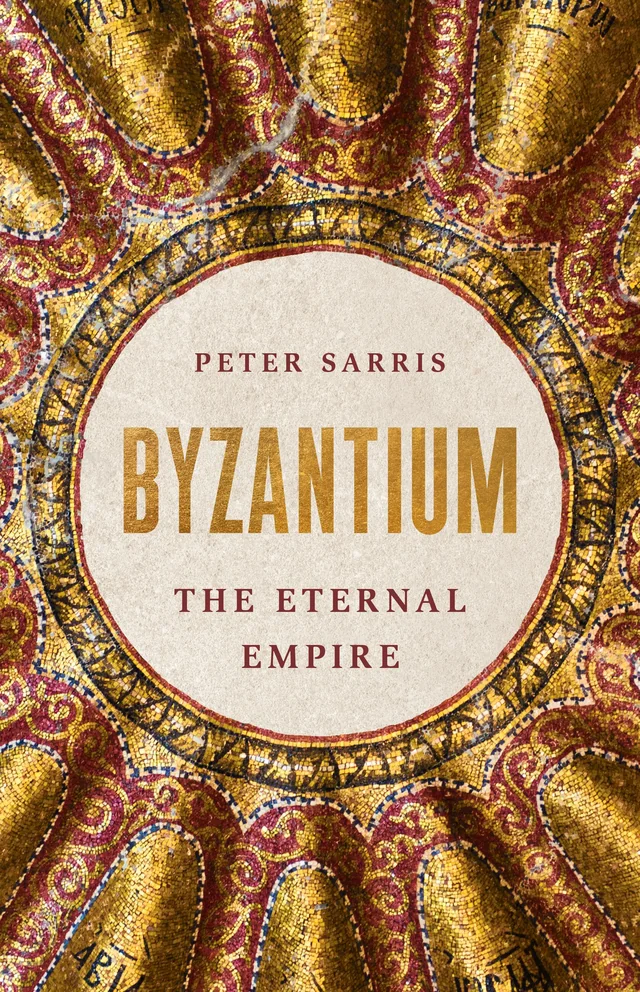
Sarris connects ancient and medieval history through an empire whose survival depended on trade, law, diplomacy, religion, and war.
Jimenez builds this romance around caregiving, responsibility and the difficulty of accepting help. Readers drawn to relationships shaped by family obligations will find a clear premise to watch as publication approaches.
Goldman returns to the rural setting of his Riverwood fiction. The overlapping cases give recurring police characters several pressures to navigate at once.
Mellors compresses questions of motherhood, ambition and freedom into a brief Paris visit. Readers of Blue Sisters and Cleopatra and Frankenstein can follow another story of intimacy under pressure.
Wilder returns to an entertainment-industry setting through the often unseen work of a musical’s pit orchestra. The workplace history and Sylvia’s position in a male-dominated profession give the romantic conflict specific stakes.
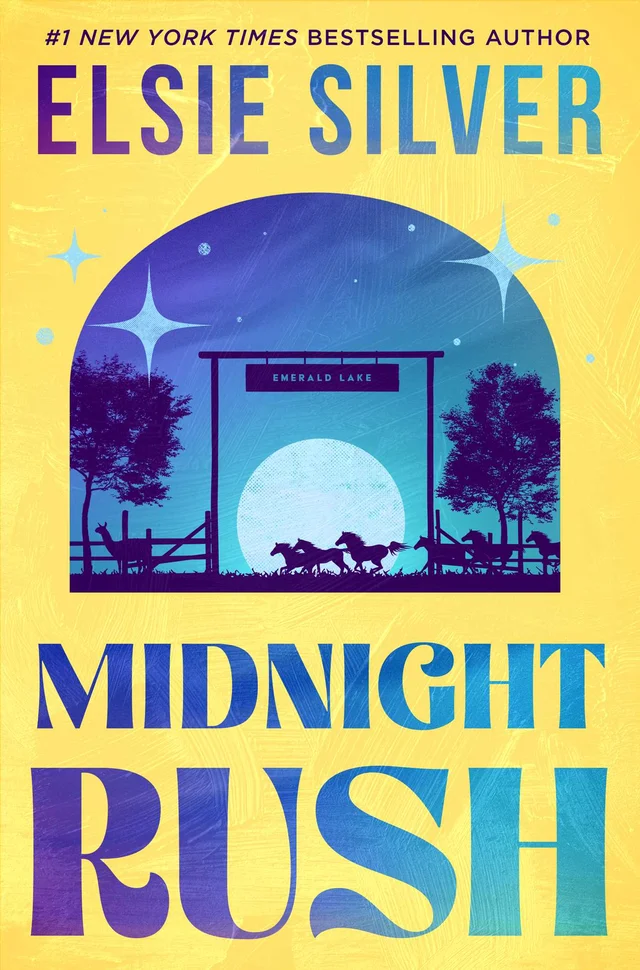
The second Emerald Lake romance makes a local election the setting for an attraction that could damage both a candidate and the professor helping her.
Ryan makes ancient history geographically concrete, using a modern journey along the frontier rather than a conventional chronological survey.
Millard’s narrative history follows rescue work through three women’s decisions. It gives readers of Destiny of the Republic another tightly focused account of people confronting extraordinary danger.
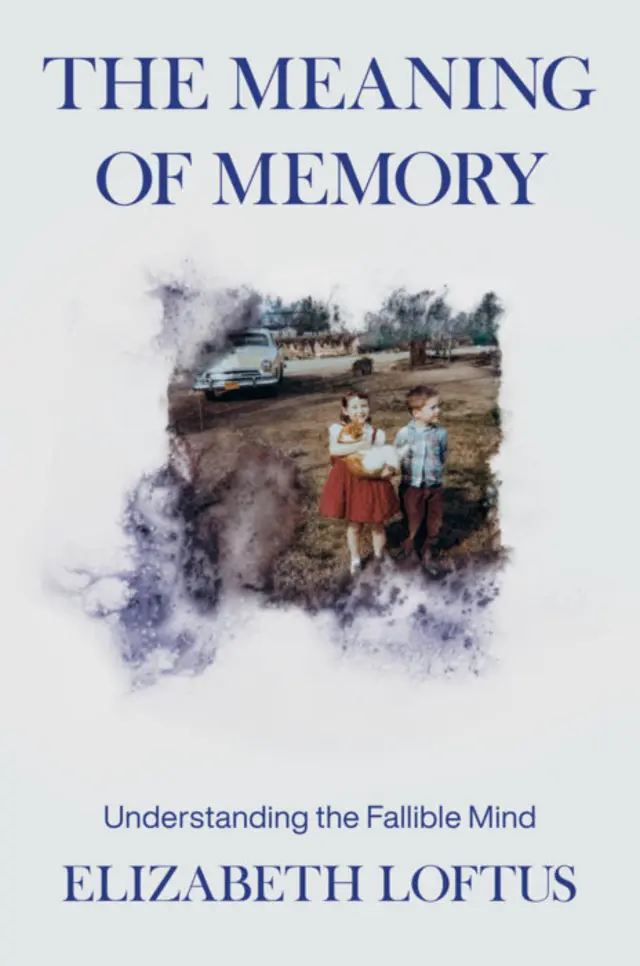
False-memory research has implications far beyond the laboratory. Loftus connects it to law, identity and an information environment increasingly shaped by synthetic media.
Lord opens the Unroyals duology with a bodyguard romance and royal conspiracy, combining her relationship-focused YA fiction with an espionage premise.
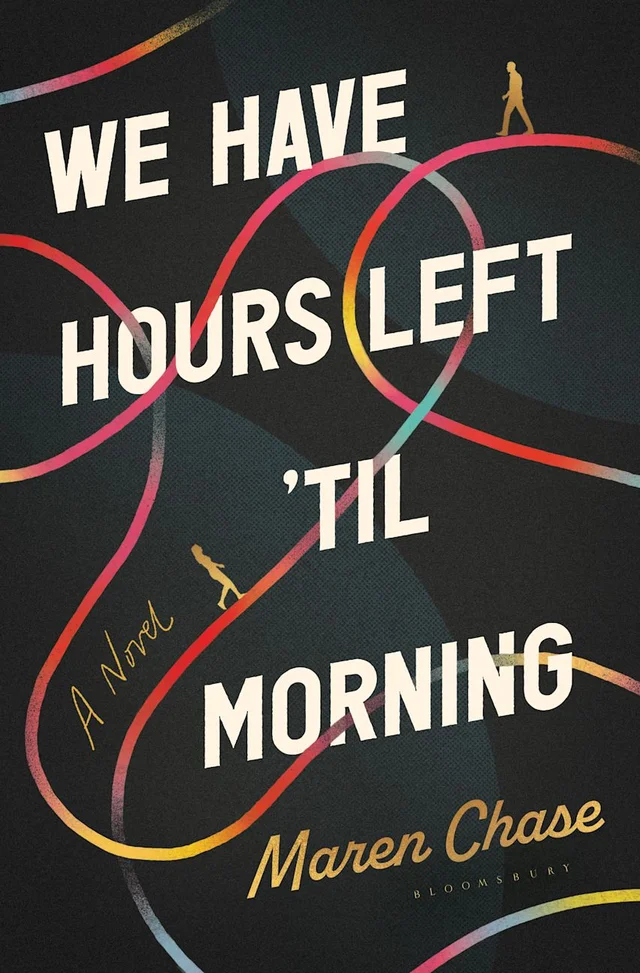
Chase blends high-concept time travel and a romance whose participants know incompatible versions of their own history.
A judge who depends on evidence finds her own freedom resting on an alibi from a stranger she cannot identify.
A podcaster’s hoped-for comeback conflicts with a sheriff’s wish to protect her town, until another body makes reassuring explanations untenable.
Perrin continues the Castle Knoll mysteries with two film productions and two periods of investigation. Frances’s unreliable diary adds a specific difficulty to the series’ exchange between past and present.
The seventh Kings of Sin novel centers Killian and Tate on a promise never to fall in love, placing resistance to attachment at the heart of its premise.
An inherited bookstore offers Zoey a fresh start, until the troubles surrounding the shop and her uncle draw the former accountant into a seaside murder mystery.
James brings her experience of bookish fantasy to adult romance. The portal premise lets literary knowledge become a practical problem for an unusually unprepared traveler.
The second New Alchemists novel continues the adult fantasy begun in Red City. Its syndicates and dangerous alchemy distinguish it from Lu’s novels for younger readers, despite the familiar author name.
Zauner continues the family and cultural questions of Crying in H Mart through language learning and everyday life abroad. The year in Seoul provides a distinct narrative frame for readers following both her writing and Japanese Breakfast.
A plantation cabin carries its history into a luxury development, making the past an active, supernatural presence in the novel’s present.
A standalone fantasy offers an entry point to Cho's work through an inventive afterlife setting, repeated escape attempts and unresolved ties to the living world.
Fairbanks connects her experience as a patient with the history of Lyme disease, following the disputes surrounding its recognition, treatment, and persistent symptoms.
Higginbotham’s engineering background and unexpected path to NASA give her spaceflight memoir a perspective rooted in the practical work behind a shuttle mission.
A list of uncharacteristically bold choices turns an expected move into a middle-grade story of friendship, a first crush, and changing self-confidence.
The second Burning Empire novel expands the world of Seek the Traitor’s Son into space. Its series position keeps the continuation clear for returning readers.
Colter Shaw returns in the series adapted as Tracker. The approaching storm supplies a clear deadline, while Deaver complicates the search with the question of whether the missing officer wants to be found.
Anders combines a time-travel premise with a relationship between two very different guardians of the past.
Readers of Cod and Salt can follow Kurlansky’s single-subject approach into the biology, working lives, and changing tastes of a coastal economy.
Adams moves into a standalone shaped by family friction and serendipity. Readers drawn to the warmth of her Rome, Kentucky romances can follow a new relationship whose chances depend on more than a fortunate first meeting.
Hannah’s contemporary American setting offers a different context for readers familiar with her historical novels.
Penner returns to The Lost Apothecary through an adult Eliza and a second investigation across two periods. The link to the earlier novel is explicit, while the elixir creates a new conflict over memory, motherhood and control.
Lally moves into gothic YA horror through an isolated estate, a ritual anniversary and a romance caught inside the mystery.
A mob boss and his police-lieutenant godson embody the novel’s central pressure: family loyalty and law-enforcement duty cannot easily be kept apart.
Greenfield pairs the problem of a machine cipher with the human labor required to break it. The American team broadens the familiar wartime codebreaking narrative.
McManus moves from young-adult suspense into an adult crime story built around friendship, media history and the consequences of a shared secret.
A single crop becomes a lens on economic history, connecting Indigenous cultivation with the industrial uses of corn in food, energy, and manufacturing.
For readers interested in science policy as infrastructure rather than slogans, Lauer offers a view from inside the machinery that decides which biomedical research receives public funding.
A first New York City Pride parade provides the setting for a group of teenagers discovering community and romance.
A retired assassin’s bookshop refuge is threatened by an ultimatum, bringing an older heroine and an unexpectedly capable colleague into a political murder plot.
Dewsnup's YA horror places an unfolding romance on a journey toward a planned sacrifice, giving the road-trip structure an unsettling destination.
Its value is the scale and vantage point: a regional history built around how people within the Arab world navigated state-building, ideology, conflict and everyday change.
Scientific ambition and grief complicate a second chance at love, with a competitive summer program and medical school marking two stages of the relationship.
Fishman explores youth, desire and agency through the contrast between a formative experience and its interpretations over time.
Card and Johnston open Extinct with humanity’s return to a ruined Earth, where survival depends on understanding why someone has brought them back.
Wilkinson shifts the center of ancient northeastern African history south of Egypt, giving readers a detailed account of a civilization too often treated only in relation to its northern neighbor.
Cornell uses mythological adventure for a comic encounter between rigorous thinking and unruly divine power. The mathematician’s perspective gives the journey its organizing friction.
Fortune returns to Barry’s Bay, connecting this romance to a setting familiar to her readers. The lake community and neighboring cottages make it a natural choice for readers planning a summer romance list.
A Jersey Shore setting and a late reckoning with people-pleasing give this adult debut a focused relationship premise, with an element of magic.
Nicieza’s speculative device turns private recollection into public danger. Readers who know his crime novels or comics have a new crossover between psychological suspense, memory technology and the consequences of unwanted exposure.
A useful date for readers following The Wolf King trilogy: Aurora's struggle for control reaches its final volume.
Jack Ryan Jr.’s investigation connects a Silicon Valley attack with political upheaval in Argentina, carrying the threat across very different centers of power.
The fallout from an exposé places seven artists at the center of questions about complicity, corroboration, and who bears the cost of artistic power.
The twenty-third Longmire mystery returns readers to the Wyoming sheriff after the events of The Brothers McKay.
McEwan’s essays offer a route from his childhood and early writing into the scientific, political, and cultural questions that occupy his fiction.
Stilwell’s return to Catalina Island begins with a rescue that becomes a murder case, placing his first day back under immediate strain.
The false apocalypse is more than a hook: the interesting part is what happens after impulsive honesty goes public and two teenagers have to discover whether a dramatic last-day kiss can survive ordinary life.
Curran makes the language of institutional extraction literal. This campus vampire novel connects romantic temptation with the material pressures facing students and universities.
The island setup concentrates questions of influence, marriage and self-deception into a small social world where convenience makes it easier to ignore obvious warning signs.
Roberts combines a private investigator's work with a homecoming and a developing relationship in a new standalone novel.
Kornberg combines a party novel with surveillance, counter-intelligence and revolutionary politics, making the book legible as both literary fiction and a political thriller.
Kashino follows Best Offer Wins with another competitive environment under pressure. The magazine setting joins a closed-circle mystery to a satire of professional ambition.
Sethi brings the pressures of performance, public speech and marriage into the same story. Karachi’s television and social worlds give this novel a specific setting.
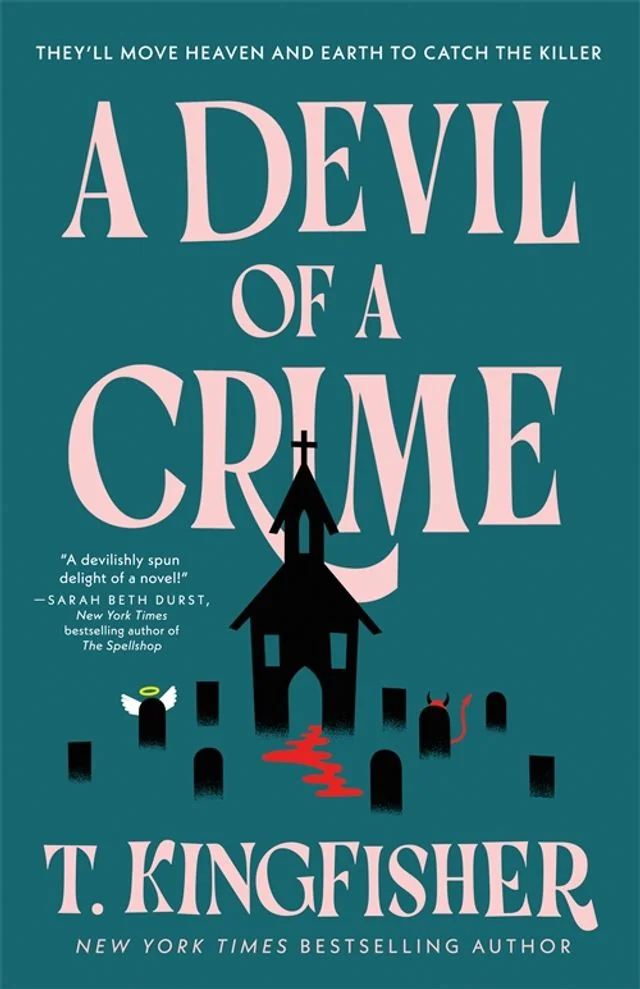
A retired devil and angel make an unlikely detective partnership, bringing supernatural complications to a small-town murder mystery.
A disgraced sorcerer’s feline body and an unlikely paladin companion turn a dangerous fantasy journey into a comic problem of survival.
Singh’s investigation unfolds within colonial Fiji, where a suspected murder and the possibility of leaving the island make his future part of the case.
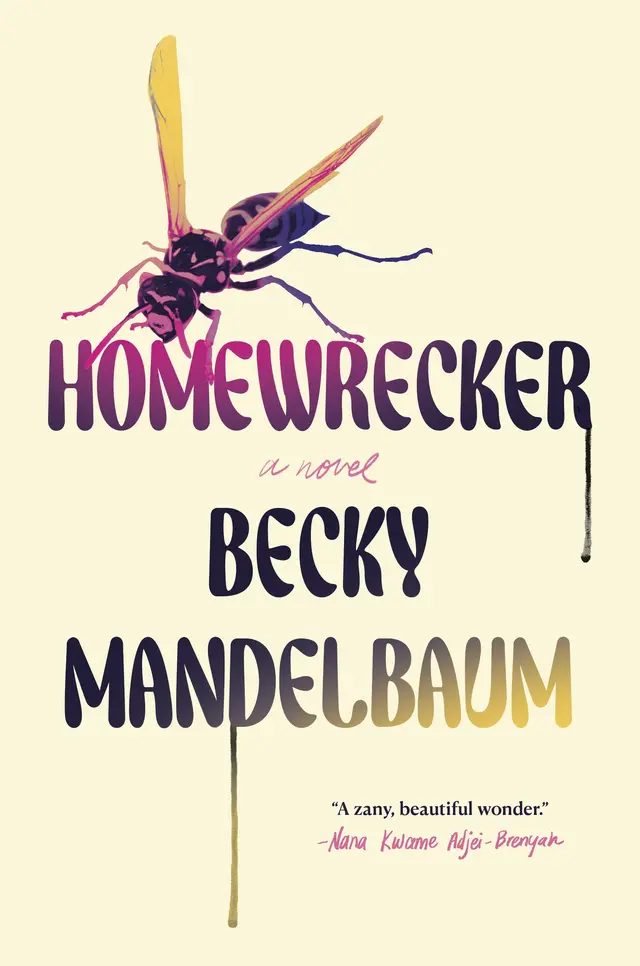
Mandelbaum's mix of emotional precision, absurdity, and sharp comedy makes this one of the year's most intriguing literary returns.
Williams traces love, ambition, and secrets across decades, beginning with a beach encounter and returning to lives shaped by later meetings.
Vernon uses a Rear Window-like structure to examine desire and surveillance. The neighborhood setting gives readers several unstable perspectives rather than one reliable observer.
Chen moves from Land of Big Numbers into a novel of family and a changing Hawai‘i. The search spans rural and urban life, connecting a personal disappearance with the islands’ economic and cultural transformation.
Polish folklore meets the Warsaw Uprising as a mermaid’s bargain draws her back toward human history and a childhood bond.
Dramis places a sapphic romance within an unwanted return to old roles. A wedding creates the working proximity, but the emotional question is whether Addie’s memory of Mara still fits the person she now encounters.
Voice recordings and remembered wilderness trips give this grief story a personal way to explore what survives a parent’s death.
Vale James combines body horror with the unstable loyalties of three friends. The lake-house setting and fungal threat give this adult debut a concrete hook beyond a general promise of summer scares.
Bennett follows The Vanishing Half with a novel about rivalry and the ownership of a public life. Its music-world setting connects literary fiction with the cultural histories that shape how audiences remember famous women.
Lanza brings personal grief to his argument about consciousness beyond death. The book explores a contested interpretation of physics and biology, rather than an established scientific consensus.
A former school rival becomes Olivia’s partner in a gothic investigation linking her mother’s death, an abandoned mansion, and missing girls.
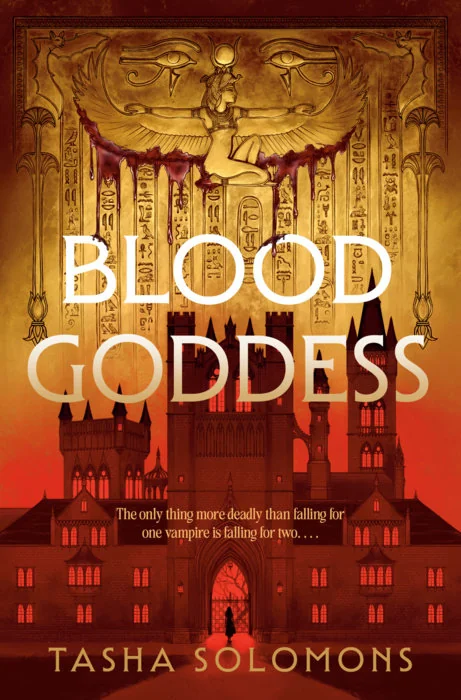
An Egyptologist’s search for her missing mother gives this vampire-college fantasy an academic mystery with a deeply personal stake.
Disgust is usually treated as a reflex; Cowart uses neuroscience, psychology and reporting to explore why something designed to repel us can also become funny, fascinating and socially powerful.
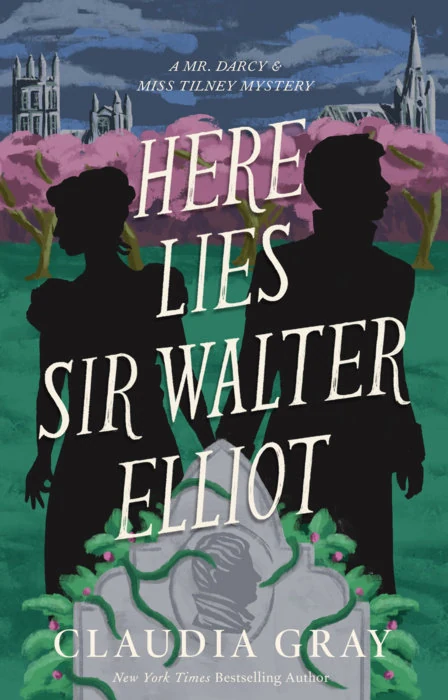
The sixth Austen-inspired mystery brings Jonathan and Juliet’s attempted elopement to Bath, where social obstacles are soon joined by another murder.
Belle places practical career and family pressures beneath a seasonal romance. The camp gives both characters a reason to stay when their arrangement becomes complicated.
Gallagher examines Eisenhower’s role in ending the Korean War and draws a contemporary policy argument from its diplomacy and nuclear brinkmanship.
The magical-library premise connects a romantic fantasy to questions of duty and independence. Its guardian’s trials give readers a concrete reason to watch this title, beyond the appeal of an enchanted setting alone.
Sullivan uses an absent lottery winner to expose an entire town’s wants and inequalities. Readers of Maine and The Cliffs get another community novel in which money changes relationships before anyone has actually received it.
McAllister turns toward espionage in a new thriller, offering readers of Wrong Place Wrong Time and Famous Last Words a different kind of suspense to follow.
Prochaska combines legal history, medicine and reproductive politics around one recurring question: who gets to define birth, and how does that definition shape power over the body?
Bacigalupi builds fantasy around money and dynastic power, as Davico’s hopes of returning from exile meet the competing forces shaping Navola.
MacLean brings romance and Cold War espionage history into a coastal retreat, where a scholar discovers that her research may be closer to home than she expected.
The Merritt and Blunt partnership offers a recurring-character route into the mystery. A theatrical victim and scene make performance part of the evidence.
More than twenty endings let readers shape the courtship themselves, turning romantic choices into the structure of this young-adult story.
Ward combines a contained murder plot with speculative horror. The threatened yacht gives her interest in hidden identities a sharply limited physical space.
An architect’s attachment to her dream building gives Loftus’s comic love story an unconventional object of desire.
Jackson's island setting delivers a recognizably commercial, self-contained psychological thriller for summer reading.
The novel’s comic pressure comes from the distance between self-description and behavior, making Hollywood culture a setting for a broader story about validation and accountability.
Perri’s debut builds a long friendship around a recurring place and an unspoken event. The college-to-adulthood timeline offers a route for readers interested in how early intimacy survives ambition, distance and family life.
Forest continues the Heart Beach setting with a second-chance romance built around family celebrations and work, adding another late-June summer reading option.
Hiaasen brings back Angie Armstrong and Skink within a new web of Florida fraud. Readers of Squeeze Me and Fever Beach have recognizable connections, while the missing swindler supplies an accessible central mystery.
A public celebration becomes the scene of a deliberate killing, drawing Emma Cross Andrews into the family power behind a Newport estate.
An antagonistic workplace pairing makes first impressions the obstacle to romance, as Caroline has to reconsider the man behind Smith’s professional manner.
An elite university circle’s appeal turns into a later reckoning, making class, belonging, and the cost of a shared past central to the thriller.
An empty office and an intrusive AI wellness bot turn familiar corporate routines into a source of existential dread.
Gore draws on his experience building Discovery to examine leadership, decisions, and the ambitions institutions choose to pursue.
A book-within-a-book structure gives Walz's psychological thriller a story about memory and who controls a narrative.
Martin’s second-chance romance combines homecoming, single parenthood and a working ranch setting.
Hendrix’s adult horror novel sets a monstrous encounter inside a 1986 scouting trip, where a group of boys discovers the limits of childhood certainty.
Gelman turns to app-based dating at sixty, where a promising courtship makes Kit question whether apparently flattering attention is what she actually wants.
Goldberger brings her own arranged marriage into a wider examination of how couples choose, sustain, and understand commitment.
Lemoine follows The Margot Affair with a friendship that crosses languages and national histories. The appeal lies in the friction between Asa’s wish for a different life and her incomplete understanding of the people offering it.
A bookseller’s optimism meets a knight’s unusual curse, making the difference between his daytime armor and nighttime humanity part of their quest.
The mystery is embedded in a specific political Los Angeles rather than using 1968 as decoration, giving the investigation a historical setting tied to community activism and local power.
The illustrations reveal the ghosts the visiting children cannot see, letting young readers notice another story unfolding inside the house.
The eroding coastline and the family’s struggle with change give Clayborn’s second-chance romance a clear sense of place and loss.
Mallon follows intimate romantic choices through a Civil War landscape that scatters characters across cities, battlefields, and hospitals.
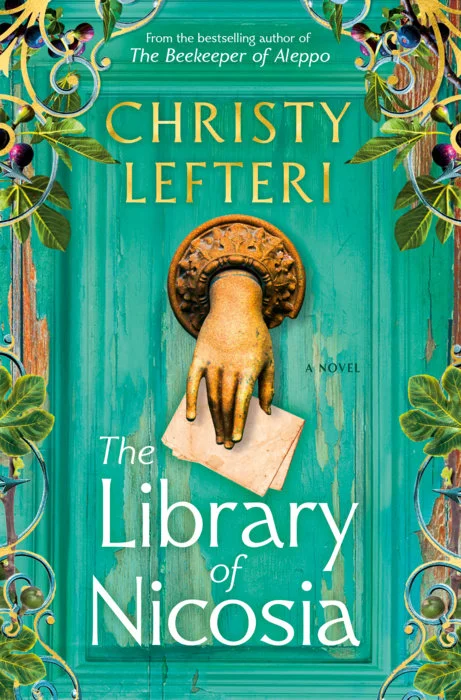
A refuge for threatened books connects cultural survival with a love story divided by the 1974 Cyprus conflict.
Celeste’s paranormal romance makes the assassin’s missing memories central to her choice of loyalties. The romance and the search for identity share the same uncertain witness.
Richard links a writing deadline with a coastal romance. The heroine’s decision about her work remains part of the story alongside her changing attachments.
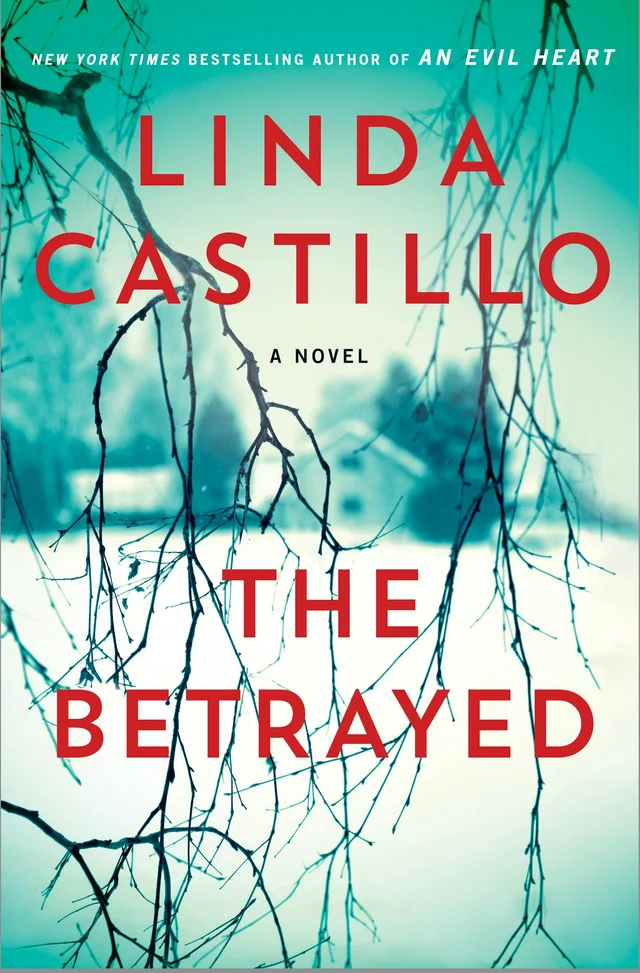
Castillo returns to Painters Mill through an apparent accident that becomes a targeted campaign. The continued threat to a surviving victim gives the investigation an immediate protective purpose alongside the search for motive.
Fesperman follows the unfinished business of Cold War intelligence through former agents whose new identities cannot keep their histories contained.
Luhrmann returns to questions developed in When God Talks Back and How God Becomes Real. The range of experiences places the book between anthropology and the study of mind, rather than presenting voice-hearing through a single explanatory lens.
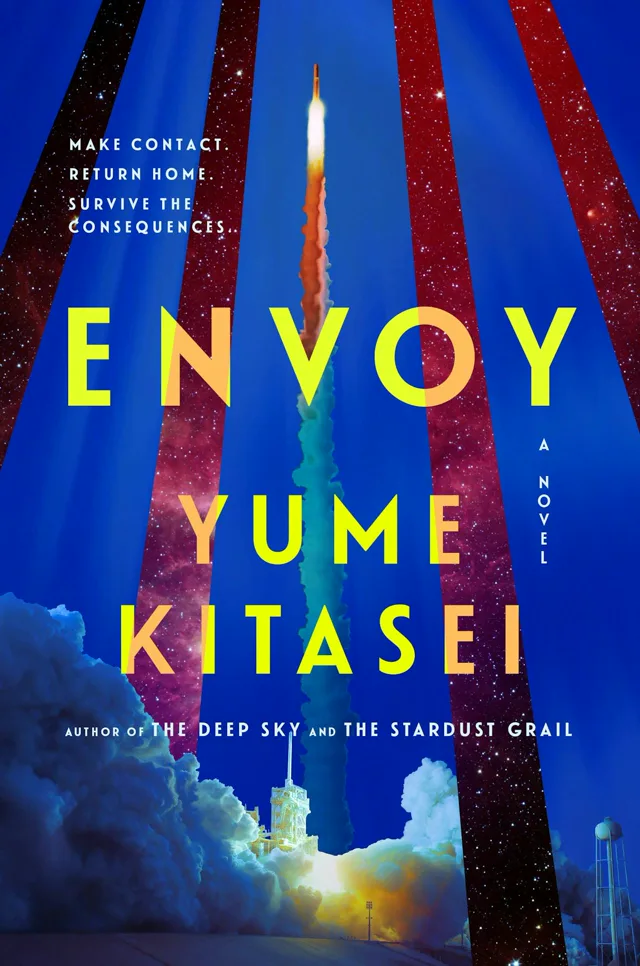
Kitasei places a murder mystery after first contact: the danger lies in what the returning astronauts know and have kept secret.
Muir reverses the familiar fairy-tale rescue: the character trapped in a tower must work out what survival requires of her.
The startup setting gives the book a useful historical angle on technology and work while keeping the focus on family, mobility and the unequal terms of professional success.
A search for an estranged mother leads into a resort where the promise of escaping death has a supernatural cost.
Baldree turns from the everyday comforts of Legends & Lattes toward a dungeon adventure. The new setting gives established readers a clear distinction between this book and his earlier cozy-fantasy world.
Tingle places his horror inside a business that markets belonging as an opportunity. The tension between an inclusive public image and a coercive workplace gives readers of his fiction a new institutional nightmare to investigate.
A history of the Unification Church connects religious devotion with international networks of business and political influence.
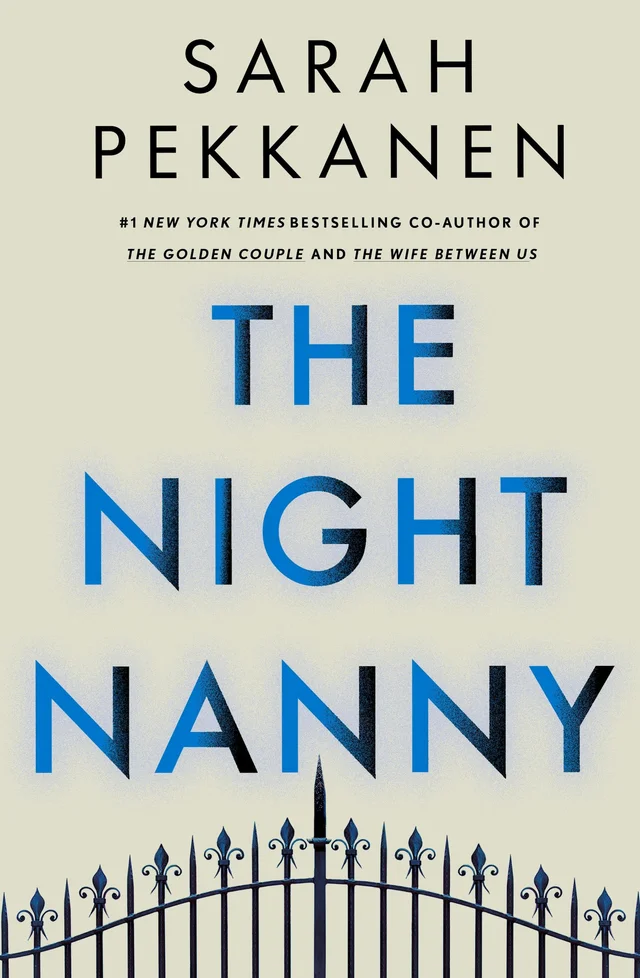
Pekkanen turns an unusually specialized profession into a suspense setting, combining a closed household with escalating uncertainty about the people inside it.
Inheritance, grief and authorship give this young-adult portal fantasy a personal stake beyond its passage between worlds.
The dice-rolling rule turns chance from a therapeutic experiment into a source of danger for three women in 1990s New York.
Blake’s dystopian satire connects a deadly public spectacle with the platform incentives, surveillance, and erased history that sustain it.
The fantasy frame lets family storytelling and inherited memory carry the historical material, connecting wartime incarceration to what later generations inherit and understand.
A genealogy discovery entangles a Bengali American designer’s romantic possibilities with inheritance, textiles, and the family she never knew.
A friend’s silence begins a search through Italy, but the deeper uncertainty concerns how well two people can know each other or themselves.
The third Bones novel deepens the heroine’s struggle to understand her powers and her connection to the God of Death.
Stein traces the making of a political career from Brooklyn and Vermont to national campaigns, asking how Sanders became an influential figure on the American left.
Beyond celebrity anecdotes, the book offers a practitioner’s view of how a durable television institution actually gets made under pressure.
Kingfisher’s heroine rejects courtly expectations in favor of monster-fighting, with an enchanted spoon, a goat and a cursed tradition supplying the book’s practical, comic fantasy.
Panowich returns to McFalls County with a story about self-redemption, for readers drawn to crime fiction rooted in place.
Hepworth pairs a darkly comic setting with a domestic-suspense engine: the hotel makes divorce visible everywhere, while the real mystery is whether Liv has misunderstood the threat inside her own marriage.
The Blackwater Falls investigation places protest, policing and identity inside the crime story rather than at its margins.
The second Binding Chronicles novel places Luna and Sebastian’s relationship inside a tournament that tests their allegiance to the crown.
The Abeni’s Song finale brings a quest rooted in West African and African Diaspora traditions toward its conclusion, with stolen villagers and reluctant magic at its heart.
A resort promising an orderly end to life becomes a trap when its guests’ expectations of the apocalypse may be wrong.
A new historical epic from a novelist whose work has repeatedly turned large social change into intimate, propulsive storytelling.
Harari asks what recurring patterns can explain about empires and revolutions, while keeping the question of an unpredictable future in view.
The rescue effort in wartime Budapest puts Julia’s diplomatic cover to the test as persecution intensifies around her.
The eighth Terminal List novel draws James Reece back from exile into a crisis involving military technology and AI-enabled weapons.
The second Eternal Path novel returns to the struggle over an empire’s throne, where religion and ancient magic are inseparable from political power.
Vera’s final case returns the detective to a community shaped by its criminal past, bringing Cleeves’s long-running series to a close.
The fifth Southern Reach volume returns to Area X, drawing on an established series that crosses literary fiction and the speculative.
The Lunar Gothic finale offers a compact journey into cosmic horror for readers following the series.
Larsen continues an espionage series, with the tension of a continuing story rather than a stand-alone premise.
Six weeks of darkness give this northern town’s missing-child mystery an unsettling setting, as a preserver and doctor investigate what returns from the woods.