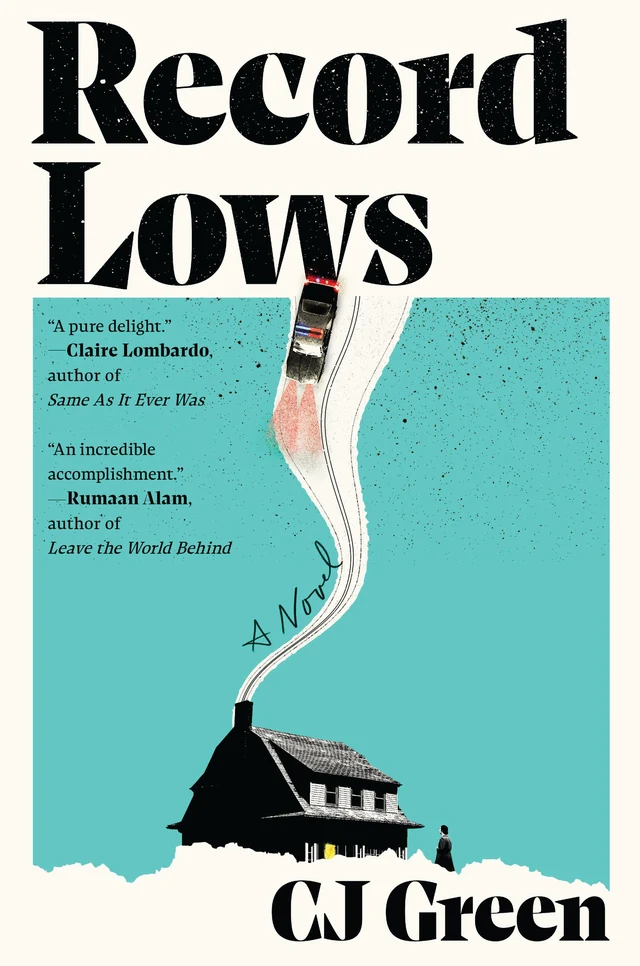
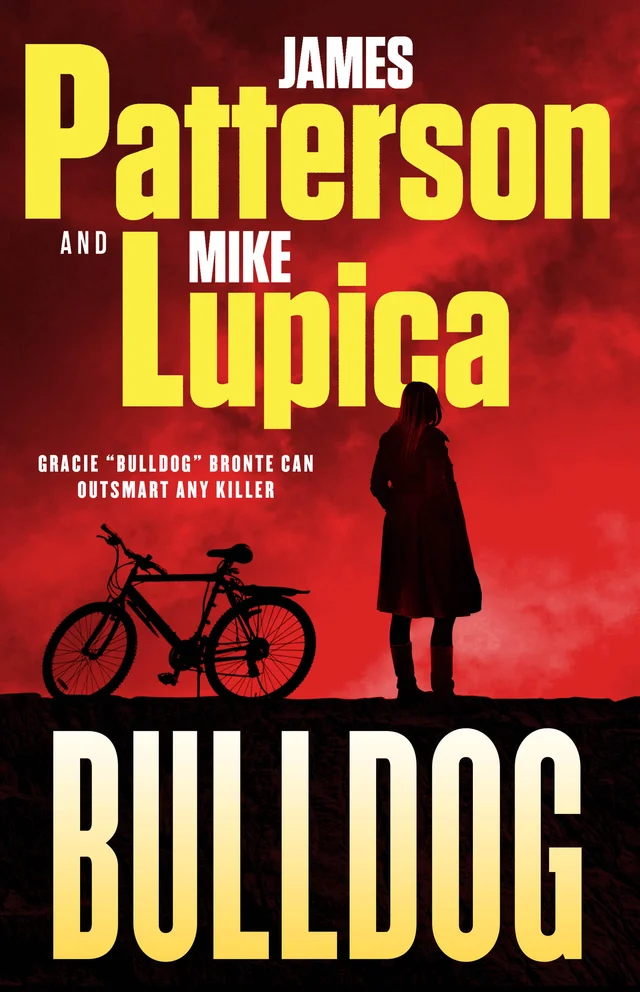
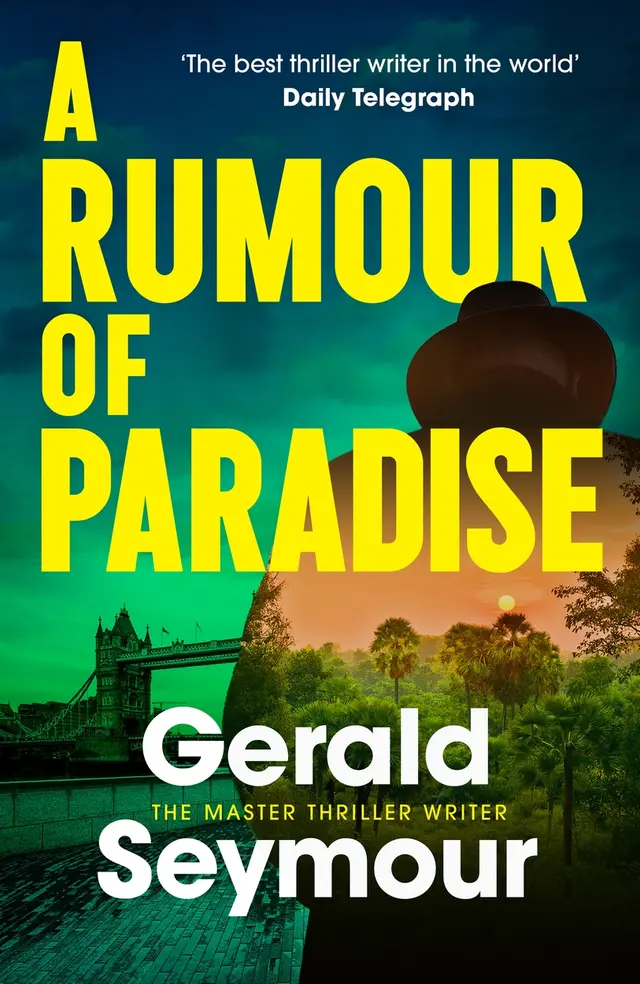
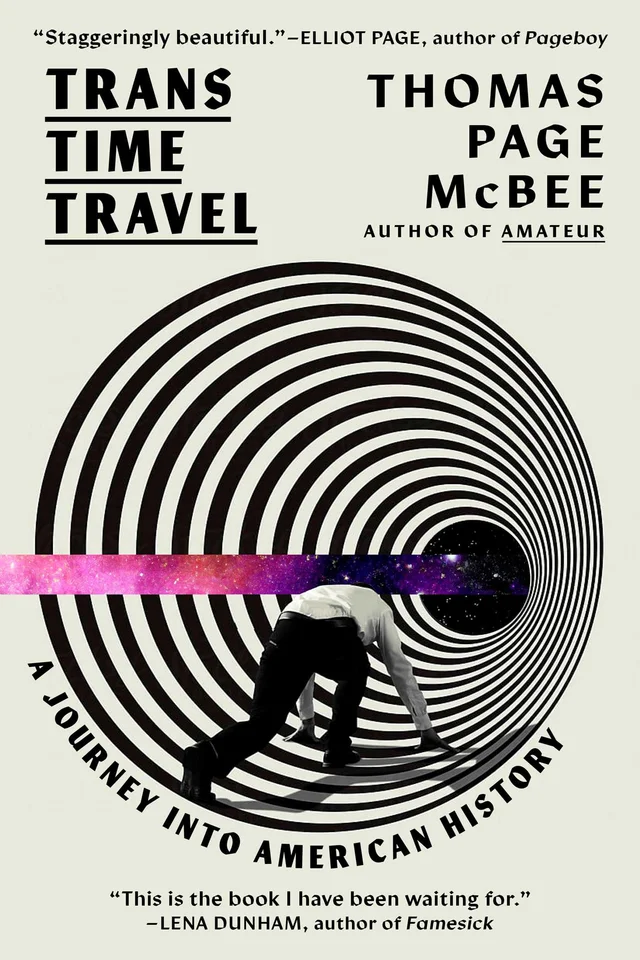
Literary fiction in 2027 includes CJ Green's snowbound newspaper family, Eli Rallo's broken friendship and Genki Ferguson's coastal grief story. Danny Ramadan and Natashia Deón add historical perspectives, while Sarah MacLean blends family secrets with espionage research. These join the shelf's returning writers and debuts, each linked to a verified publication edition.
Fantasy in 2027 includes Tasha Suri's bargain in a cursed city and Elaine U. Cho's attempts to escape a Korean bathhouse afterlife. Margaret Rogerson's enchanted knight offers a new YA story, while Lauren Palphreyman concludes the Wolf King trilogy for adults. Heists, alchemical mysteries and historical fantasies widen the shelf, with audience labels and series positions guiding different entry points.
Science fiction in 2027 ranges from first contact and machine intelligence to dystopian journeys and worlds whose rules must be learned. Emily Snyder's YA time-travel mystery adds an intimate view of altered history. Veronica Roth and Catriona Ward connect the shelf to fantasy and suspense, with each title retaining its verified edition.
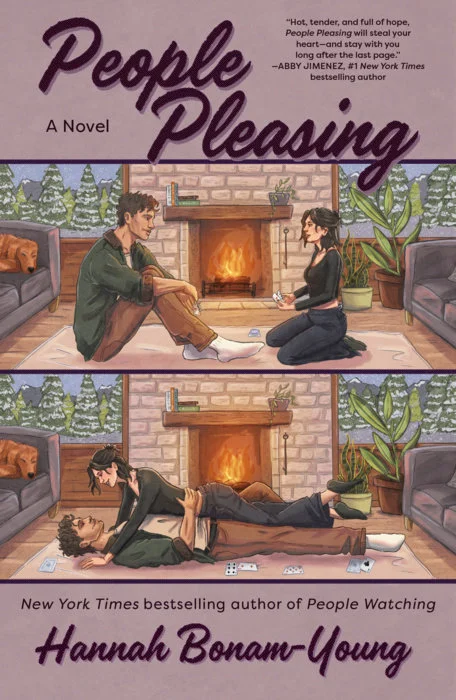
Romance in 2027 ranges from Abby Jimenez's relationship shaped by caregiving and Carley Fortune's return to Barry's Bay to Brynne Weaver's dark romantic suspense finale. Amy Lea's hockey-broadcast rivalry and Jo Segura's tropical treasure hunt offer other settings. Fantasy crossovers and YA romances retain their genre and audience labels, helping readers compare tone as well as publication dates.
The 2027 mystery shelf adds Preston and Child's inverted Santa Fe burials, Liz Ireland's inherited bookshop and Claudia Gray's Austen-inspired investigators in Bath. Katrina Kwan and Emma Devlin bring alchemy and necromancy into fictional investigations. These sit alongside established detectives and amateur sleuths, with each date linked to its source.
Thrillers in 2027 include Sandra Brown's connected bereavements, Steve Berry and Grant Blackwood's artifact hunt and Dan Fesperman's resettled intelligence agents. Preston and Child combine archaeology with an FBI investigation. These join the shelf's existing espionage, professional jeopardy and psychological suspense, preserving the distinctions between series and standalone releases.
Crime in 2027 ranges from established investigators to Matt Goldman's Riverwood cases and Liza Tully's theatrical murder. Preston and Child add a modern killing among historical remains, while Liz Ireland begins a bookshop investigation. Series context and publication dates help readers compare returning characters with new settings.
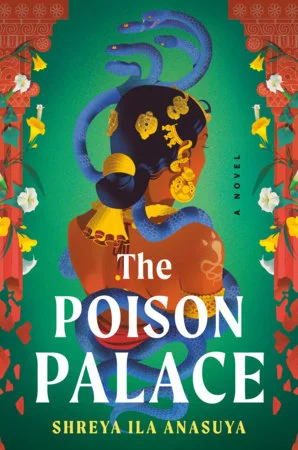
Historical fiction in 2027 follows Danny Ramadan's Syrian family in exile, Natashia Deón's Black woman at D-Day and Elwood Reid's brothers across the Western frontier. Shreya Ila Anasuya brings mythic poison maidens into the path of Alexander's army in India. These different approaches to the past join the catalogue's historical epics, literary reinterpretations and period mysteries.
Horror in 2027 adds Megan Lally's ritual death festival and Abby Dewsnup's road trip toward a sacrifice, both for YA readers. Deborah Yelle and Emma Devlin connect haunted houses with family power. These join adult supernatural fiction, body horror and dangerous holidays; descriptions establish premises without turning marketing into reviews.
Young-adult books in 2027 place Margaret Rogerson's cursed heroine and enchanted protector alongside the escape-room murder puzzles of Marissa Meyer and Tamara Moss. Immortal romance, dragon-threatened cities, time travel and horror offer other routes through the shelf. Audience labels distinguish these releases from adult novels with teenage characters and books for children; series details identify sequels and new starting points.
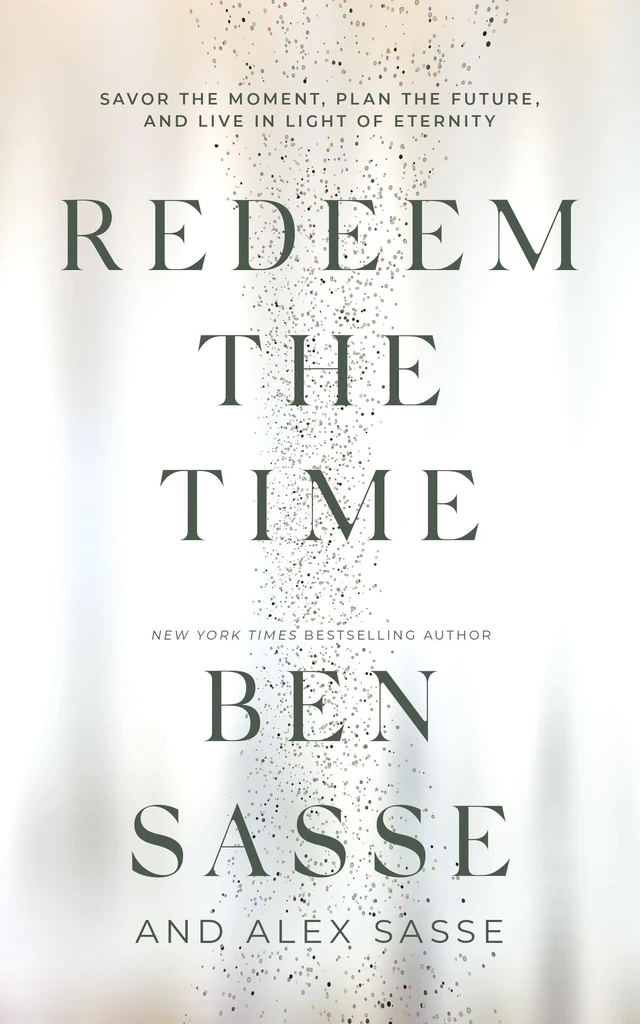
Memoir in 2027 includes Tria Wen's exploration of her mother's archives and Ben and Alex Sasse's reflections on mortality. Amanda M. Fairbanks connects personal illness with reporting, while Kevin Maurer follows Jerry Sage's wartime life. These join family, food, language and professional experiences across the catalogue's biographical nonfiction.
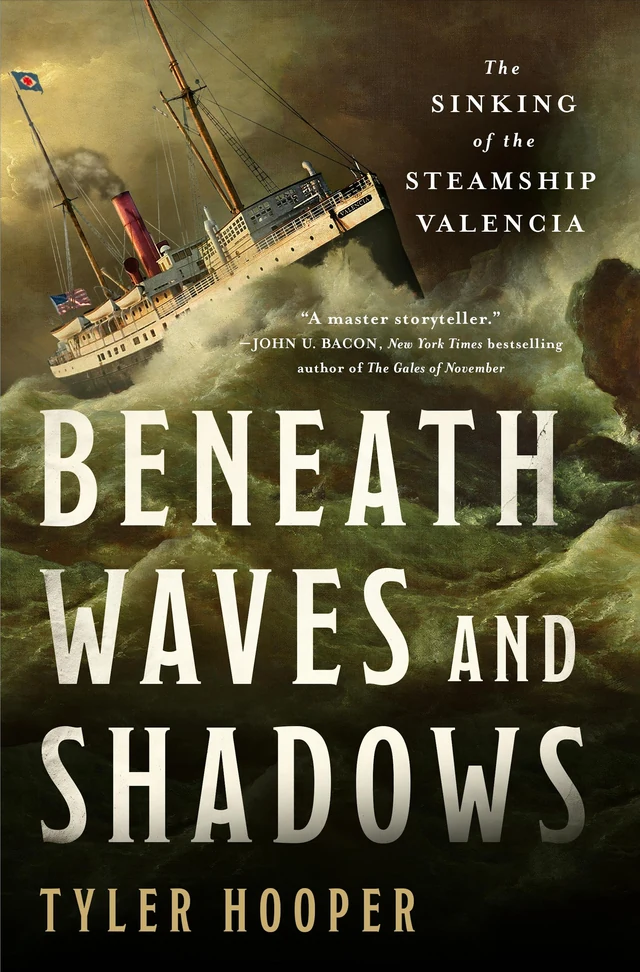
History in 2027 adds Tyler Hooper's Valencia shipwreck, Kevin Maurer's intelligence operative Jerry Sage and Rich Eisen and Michael Weinreb's NFL Draft. Peter Sokolowski follows dictionary-making, and Greg Melville connects ancient trees with their human surroundings. Political, military and environmental histories offer further ways into the shelf.
Business and economics in 2027 includes national prosperity, technology systems and the material foundations of markets. Zachary Karabell’s history of corn connects agriculture with food, manufacturing and energy, joining the shelf’s wider accounts of institutions, investment and economic power.
Science and technology in 2027 adds Amanda M. Fairbanks's reporting on Lyme disease and Greg Melville's journey among ancient trees. These join AI, memory, spaceflight, ecology and research policy. Descriptions identify a book's inquiry or argument without treating contested interpretations as established findings or offering medical recommendations.
Politics and society in 2027 adds Roland Martin's argument for Black civic institutions and Amanda M. Fairbanks's account of disputes surrounding Lyme disease. These join Reconstruction, Eastern Europe, climate and contemporary power. Each entry distinguishes the author's perspective from the verified facts of its publication.
Ideas and culture in 2027 includes Peter Sokolowski on dictionaries, Jared Henderson on intellectual habits and Yongey Mingyur Rinpoche on Buddhist practice. Tria Wen considers art and care, while Rich Eisen and Michael Weinreb explore a sports-media ritual. Different approaches to language, belief and public life keep the shelf broad.
General nonfiction in 2027 includes veterinarians' stories collected by James Patterson and collaborators, spiritual perspectives and approaches to deliberate living. In 100, Mark Hyman presents his views on longevity, personal health data and preventive care; proposed benefits remain the author's claims. Science, memoir and history shelves offer related routes through personal experience and practical frameworks.