Ideas & Culture12 January 2027 · US
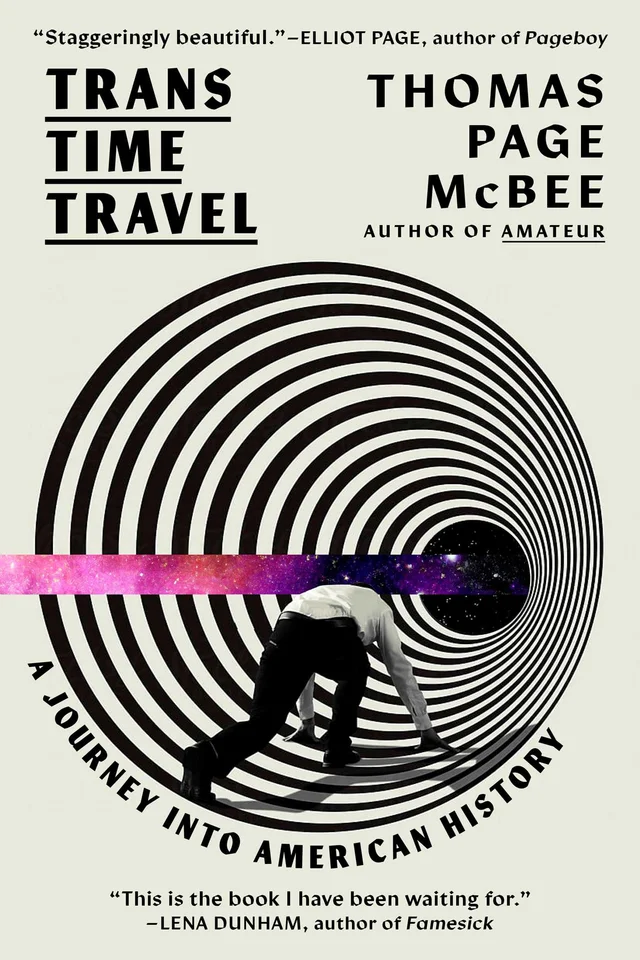
Trans Time Travel
McBee combines memoir, reporting, and archives to ask how gender-variant lives have been remembered or erased across American history.
Genre shelf / 16
Ideas and culture in 2027 includes Peter Sokolowski on dictionaries, Jared Henderson on intellectual habits and Yongey Mingyur Rinpoche on Buddhist practice. Tria Wen considers art and care, while Rich Eisen and Michael Weinreb explore a sports-media ritual. Different approaches to language, belief and public life keep the shelf broad.
32 books · Explore the authors and release details.
McBee combines memoir, reporting, and archives to ask how gender-variant lives have been remembered or erased across American history.
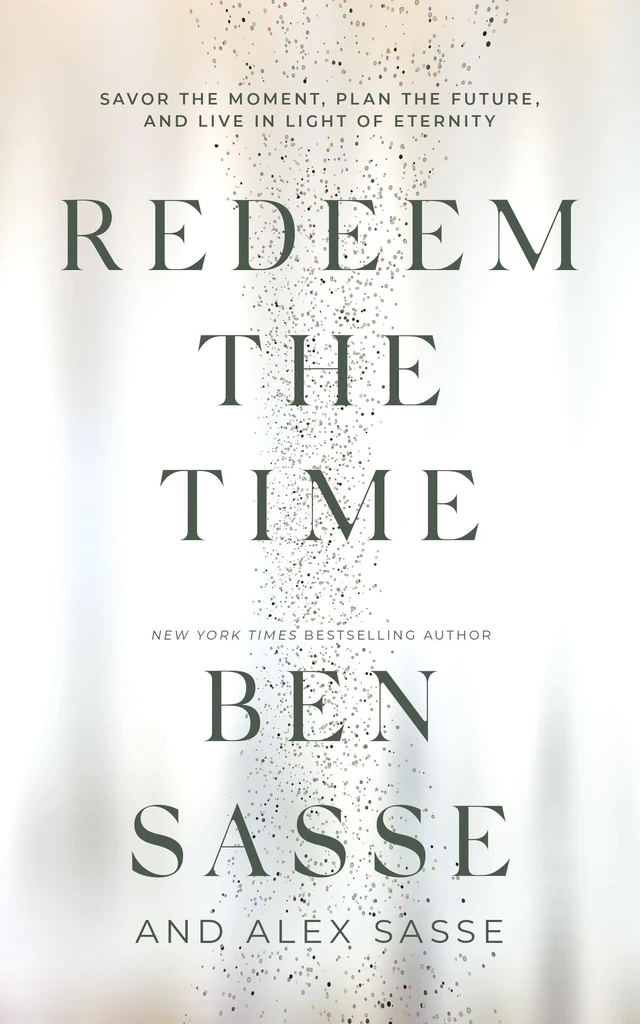
A father and daughter reflect on mortality together, bringing Christian faith and family life into the question of how to use limited time.
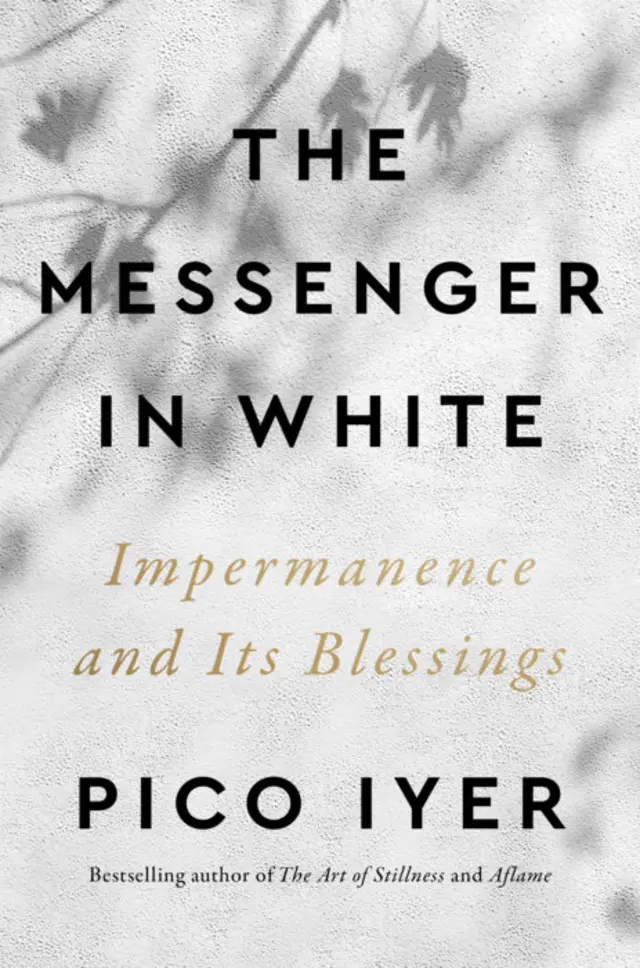
Iyer’s reflective approach to aging and care may interest readers of personal essays about attention, companionship and change.
Jakes uses a biblical storm to explore the gap between public leadership and private uncertainty, with Christian faith central to the book’s perspective.
Martin connects civil-rights history with the practical work of Black community institutions, arguing for collective action rooted in local networks.
A practical introduction to intellectual habits offers an ideas-focused release for readers interested in philosophy outside a formal academic course.
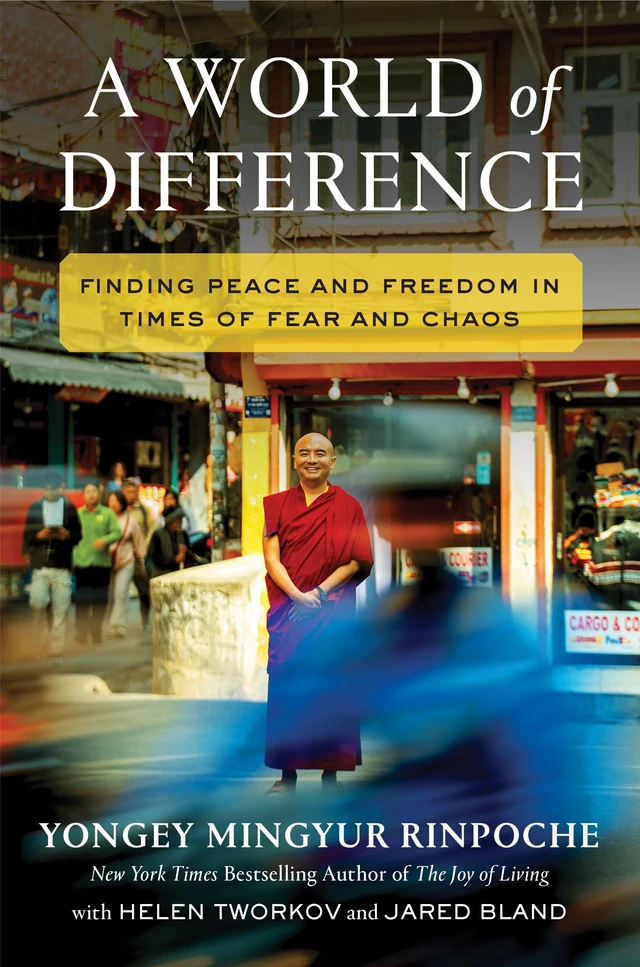
Rinpoche draws on Buddhist practice to examine fear and uncertainty, asking how people can respond to circumstances beyond their control.
The familiar act of looking up a word opens into a history of cultural authority, changing usage, and the people who decide how dictionaries define them.
Eisen and Weinreb trace how an offseason administrative event became a television spectacle, connecting football history with the machinery of sports media.
Eckstein connects the Jewish declaration Here I am with the everyday obligations of presence, using biblical teaching and humanitarian work as her guides.
Readers of Deep Work and Digital Minimalism can follow Newport’s interest in attention into the broader question of how to build a deliberate daily life.
Family journals and correspondence reveal a mother’s artistic life, prompting Wen to reconsider the relationship between women’s ambitions and the care they provide.
May extends the conversation of Wintering toward the obligations of care. The focus is on lived experience and its contradictions rather than a promise of effortless resilience.
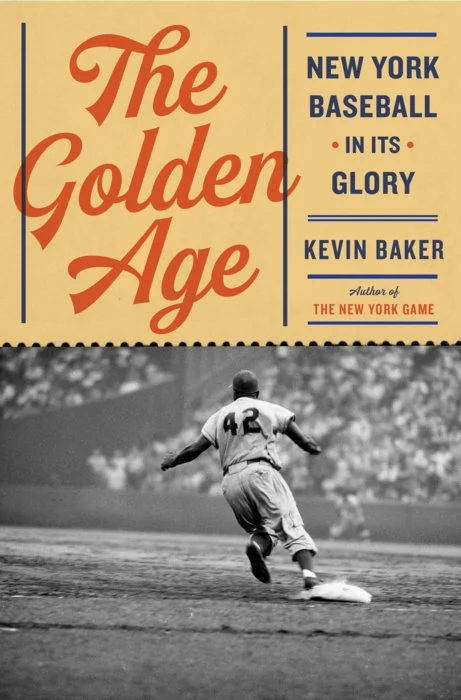
Baker follows four baseball teams through a changing postwar New York, linking the game to the city’s racial, economic, and social transformations.
Veterinarians’ own accounts connect the treatment of animals with the people who depend on them, giving care a reciprocal, sometimes unexpected shape.
The Experimental History writer turns his interest in scientific practice into a book about discovery itself. Its blend of historical cases and psychology offers an entry point for readers interested in innovation beyond biographies of individual inventors.
Doughty shifts attention from the ship’s legend to the treatment of its victims. Her mortuary perspective offers a distinctive route through a heavily documented event.
Bloom’s kitchen writing offers a different form of memoir from a continuous life narrative. Food provides an accessible thread through relationships and ordinary acts of generosity.
Burkeman continues the conversation begun in Four Thousand Weeks by asking how people can engage with life while uncertainty and limited control persist.
The graphic form lets Qatato move between inherited family stories and contemporary diaspora life, making memory itself part of the book’s structure rather than simply its subject.
Mancuso brings plant science into conversation with St. Francis, using a short ecological meditation to question humanity’s place among other living things.
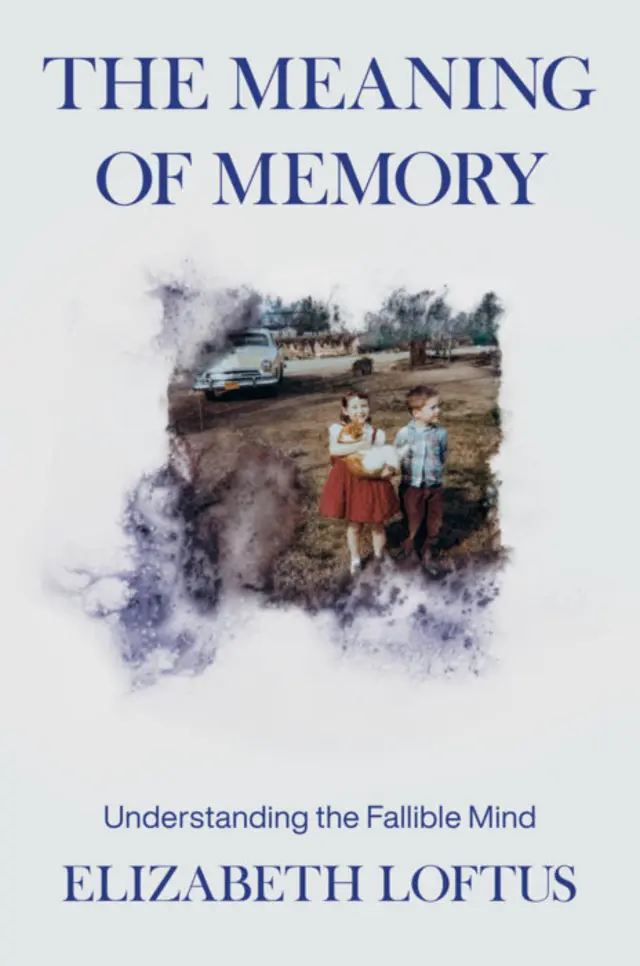
False-memory research has implications far beyond the laboratory. Loftus connects it to law, identity and an information environment increasingly shaped by synthetic media.
Readers of Cod and Salt can follow Kurlansky’s single-subject approach into the biology, working lives, and changing tastes of a coastal economy.
McEwan’s essays offer a route from his childhood and early writing into the scientific, political, and cultural questions that occupy his fiction.
Lanza brings personal grief to his argument about consciousness beyond death. The book explores a contested interpretation of physics and biology, rather than an established scientific consensus.
Disgust is usually treated as a reflex; Cowart uses neuroscience, psychology and reporting to explore why something designed to repel us can also become funny, fascinating and socially powerful.
Gore draws on his experience building Discovery to examine leadership, decisions, and the ambitions institutions choose to pursue.
Goldberger brings her own arranged marriage into a wider examination of how couples choose, sustain, and understand commitment.
Luhrmann returns to questions developed in When God Talks Back and How God Becomes Real. The range of experiences places the book between anthropology and the study of mind, rather than presenting voice-hearing through a single explanatory lens.
Blake’s dystopian satire connects a deadly public spectacle with the platform incentives, surveillance, and erased history that sustain it.
Beyond celebrity anecdotes, the book offers a practitioner’s view of how a durable television institution actually gets made under pressure.
Harari asks what recurring patterns can explain about empires and revolutions, while keeping the question of an unpredictable future in view.