Fantasy6 April 2027 · US
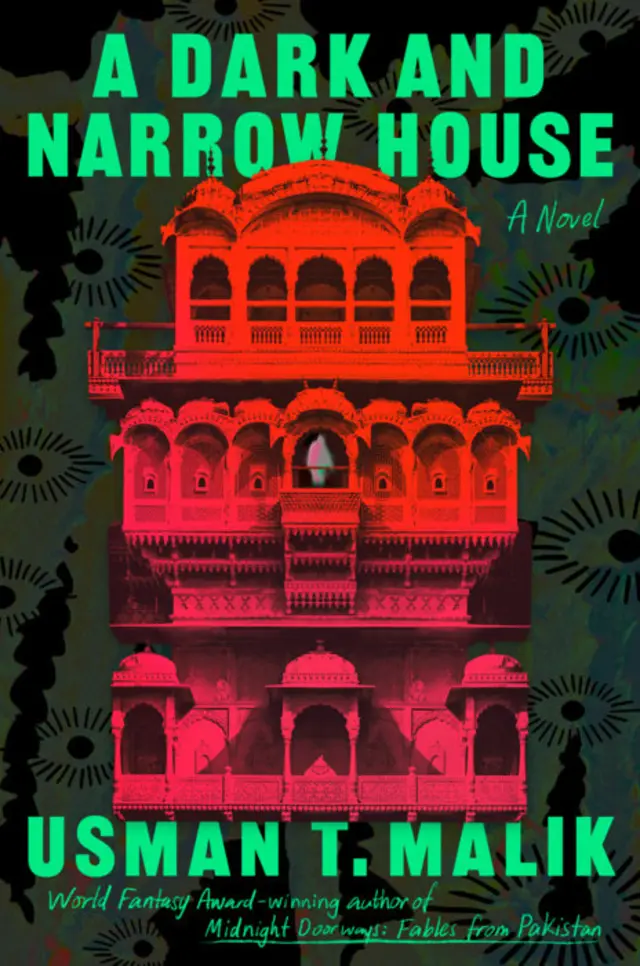
A Dark and Narrow House
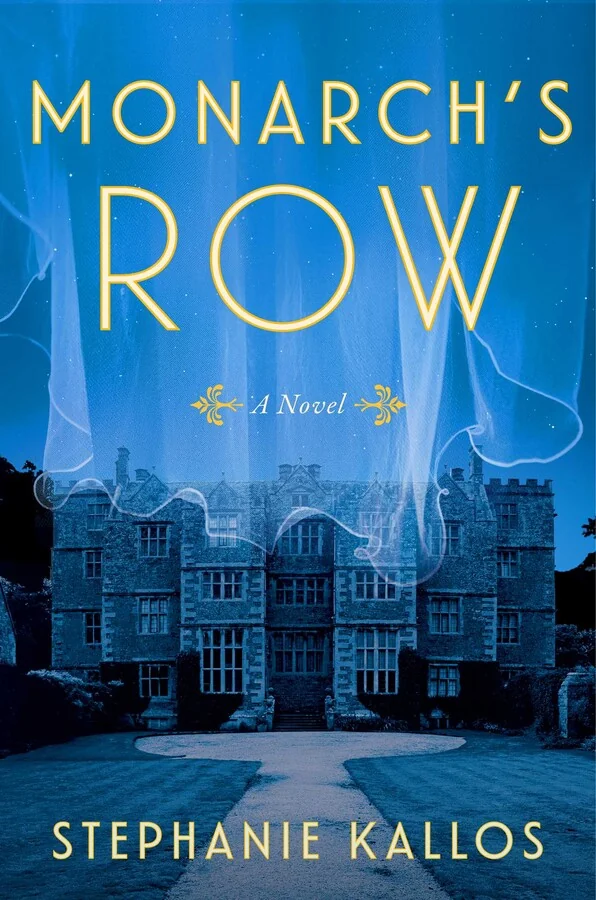
Malik combines folklore, dark fantasy and a haunted house, inviting readers into a supernatural world with its own rules.
Release calendar / 04
April's fantasy moves from Margaret Rogerson's enchanted protector and Tasha Suri's cursed city to Elaine U. Cho's Korean bathhouse afterlife. Marissa Meyer and Tamara Moss return to escape-room murder puzzles for YA readers. Danny Ramadan's Syrian family journey toward the Titanic and Amanda M. Fairbanks's investigation of Lyme disease widen a month that also includes literary fiction, history and romance.
Browse by publication date. Where only the month is confirmed, the day is marked as forthcoming.
Exact dates
Malik combines folklore, dark fantasy and a haunted house, inviting readers into a supernatural world with its own rules.
Ramadan centers a Syrian family's migration within a familiar maritime disaster, combining an ensemble historical narrative with questions of home and belonging.
Putzier and Parker approach housing affordability through the landlords, financial systems, and policy choices behind the rent bill.
Doughty shifts attention from the ship’s legend to the treatment of its victims. Her mortuary perspective offers a distinctive route through a heavily documented event.
Erbelding follows a wartime refugee program through the policy decisions and community life that shaped people’s attempts to begin again.
Rogerson pairs a tower-bound heroine with a protector whose loyalty is magically enforced, giving this YA fantasy a sharp conflict between love and obligation.
Yong makes scale the organizing question of this science book, inviting readers of An Immense World to reconsider life from its smallest forms to its largest.
Henry’s new romance begins with a getaway, offering returning readers another story from the author while fuller plot details remain to be announced.
Adams follows Jackal with a family-centered supernatural mystery. The sisters’ different reactions to an apparently welcome mourner make trust and inherited secrets part of the horror’s mechanism, alongside grief and immigration.
Bloom’s kitchen writing offers a different form of memoir from a continuous life narrative. Food provides an accessible thread through relationships and ordinary acts of generosity.
A Mars-bound, closed-system setting puts scientific constraints in direct contact with thriller suspense.
Finn offers a political reading of a decade of British crises, connecting episodes of institutional change within one historical account. His interpretation is presented as his own.
Hart follows Weyward and The Sirens with time travel threaded through two world wars. The relationship between individual rescue and historical consequence gives the book an accessible speculative question with a family-centered narrative.
Heller’s outdoor fiction places moral decisions under physical pressure. Readers of The Dog Stars and The River can track a new coastal survival story.
Lukas places a speculative instrument inside the politics of wartime border-making. The combination of historical conflict and supernatural power gives readers of his earlier historical novels a new way into questions of land and competing claims.
Suri brings moral uncertainty and a dangerous bargain to gothic fantasy, with a heroine forced to reconsider who deserves her loyalty.
Steven returns to immortal romance in a standalone fantasy, offering an entry that does not require following a numbered series.
The sequel to Weavingshaw continues Leena’s relationship with Bram while expanding the consequences of their escape. It is a continuing story rather than a standalone introduction.
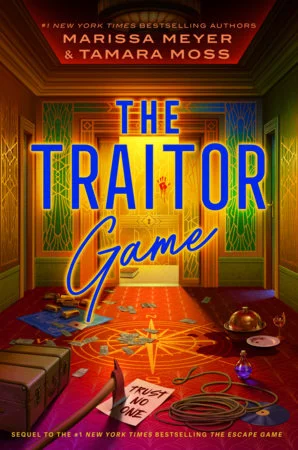
A returning cast and a puzzle-filled setting offer a clear next read for fans of The Escape Game and teen ensemble mysteries.
Reiss connects entertainment, activism and government policy in a wartime history about how public attention can become a political instrument.
Oshiro’s YA apocalypse removes the adults who promised protection, leaving teenagers to decide what resilience means when their unsettling warnings begin to come true.
Jackson uses Reconstruction to examine organized resistance to Black freedom, connecting a historical period with her argument about contemporary political judgment.
Lowe returns to personal nonfiction with an emphasis on how to live, rather than a career chronology alone. The combination of memoir and life reflections gives readers of his earlier books a different angle to follow.
An enchanted manuscript reunites two people with a difficult history, making the work of transcription part of a dangerous second chance.
Horowitz puts his fictional counterpart in the jury box, where a juror’s murder forces Hawthorne to look beyond the case the court believes it understands.
Burkeman continues the conversation begun in Four Thousand Weeks by asking how people can engage with life while uncertainty and limited control persist.
Archer’s postwar private-eye world expands into a conspiracy after a strange letter and a murder interrupt a visit from Liberty Callahan.
A second memoir from Westover gives readers a reason to revisit the questions of testimony and belonging raised by Educated.
Brown begins an adult fantasy series with two women resisting prescribed destinies. Its split between escape and infiltration gives the opening volume two complementary routes through power.
O’Leary places uncertainty about memory inside a love story, as a woman’s search for one partner brings a former boyfriend back into her life.
An invented ranching life becomes a practical romantic problem when a camera crew arrives and a skeptical cowboy must help sustain the illusion.
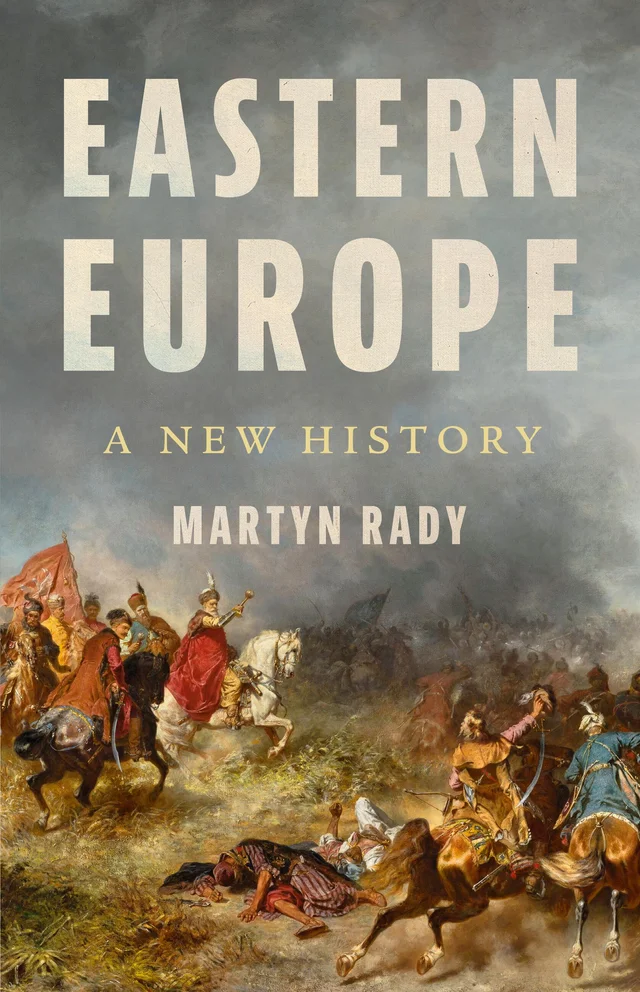
Rady extends the regional scope of The Habsburgs and The Middle Kingdoms. The borderlands perspective connects events usually divided among separate national histories.
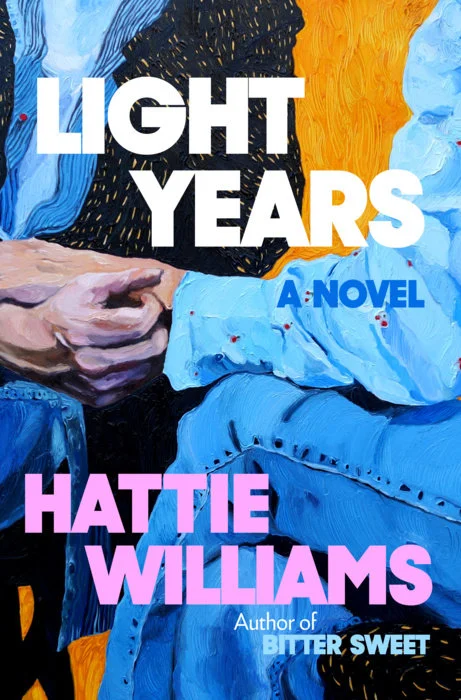
Williams follows Bitter Sweet with a second novel that traces the persistence of first love. Its decade-long structure and diverging ambitions make the tension about continued attachment, not simply whether two people will meet.
A writer’s life and manuscript connect colonial India with the First World War, bringing a literary puzzle into a historical narrative.
The graphic form lets Qatato move between inherited family stories and contemporary diaspora life, making memory itself part of the book’s structure rather than simply its subject.
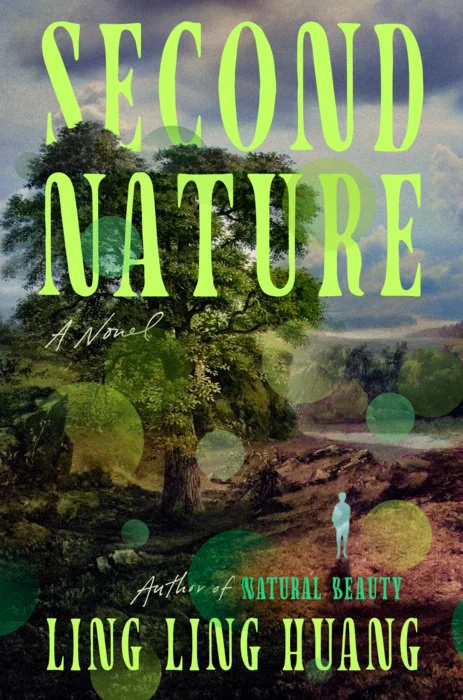
Huang follows Natural Beauty and Immaculate Conception with another invented social order. The focus on a boy’s faith and awakening desire gives this novel its central tension.
The third Defying the Stars romance gives readers of McIntire’s contemporary fiction a slow-burning boss-and-employee relationship shaped by forced proximity.
Mancuso brings plant science into conversation with St. Francis, using a short ecological meditation to question humanity’s place among other living things.
A canceled wedding leaves two exes confronting what remains of their relationship on the honeymoon they could not cancel.
A new Women’s Murder Club novel gives established Patterson readers a clear series discovery route. Written with Emily Raymond, it follows a network of cases across sharply different parts of San Francisco.
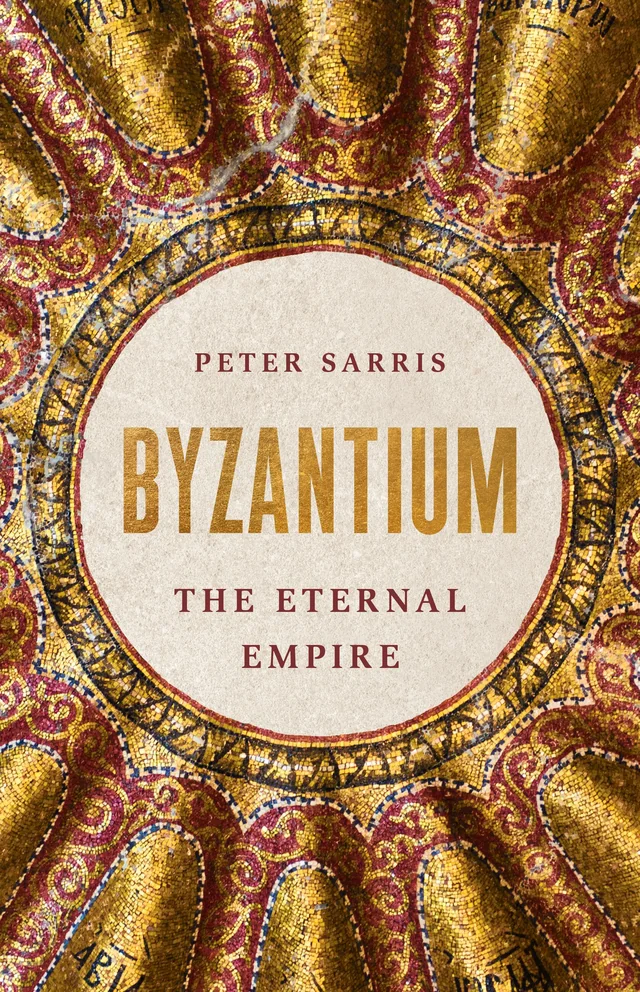
Sarris connects ancient and medieval history through an empire whose survival depended on trade, law, diplomacy, religion, and war.
Jimenez builds this romance around caregiving, responsibility and the difficulty of accepting help. Readers drawn to relationships shaped by family obligations will find a clear premise to watch as publication approaches.
Goldman returns to the rural setting of his Riverwood fiction. The overlapping cases give recurring police characters several pressures to navigate at once.
Mellors compresses questions of motherhood, ambition and freedom into a brief Paris visit. Readers of Blue Sisters and Cleopatra and Frankenstein can follow another story of intimacy under pressure.
Wilder returns to an entertainment-industry setting through the often unseen work of a musical’s pit orchestra. The workplace history and Sylvia’s position in a male-dominated profession give the romantic conflict specific stakes.
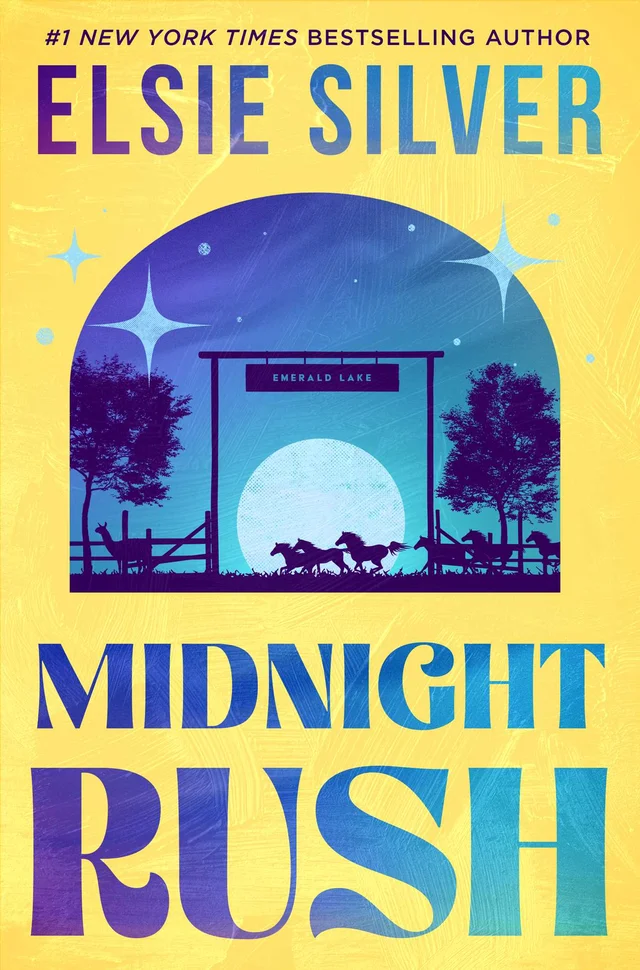
The second Emerald Lake romance makes a local election the setting for an attraction that could damage both a candidate and the professor helping her.
Ryan makes ancient history geographically concrete, using a modern journey along the frontier rather than a conventional chronological survey.
Millard’s narrative history follows rescue work through three women’s decisions. It gives readers of Destiny of the Republic another tightly focused account of people confronting extraordinary danger.
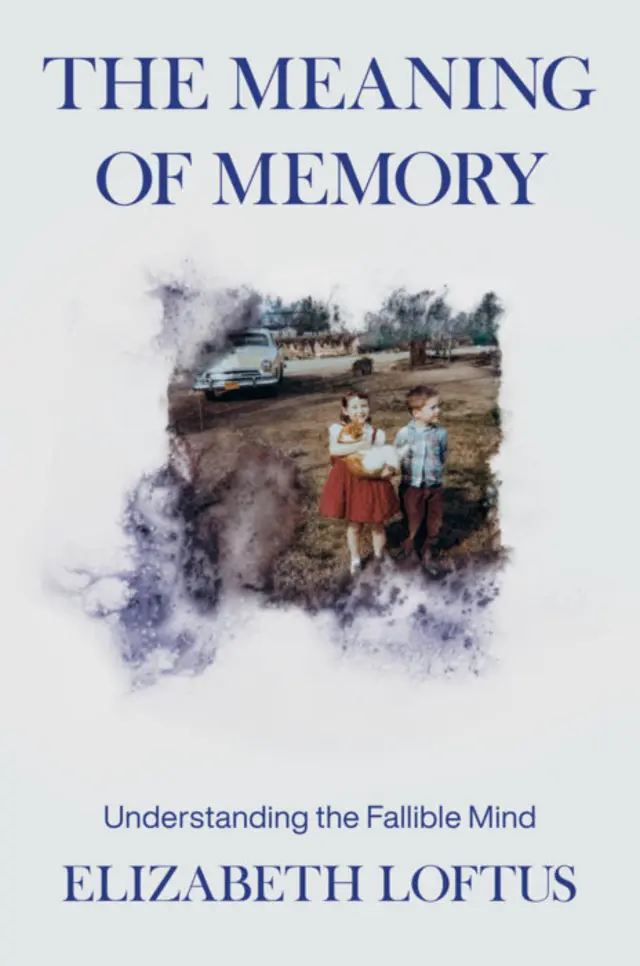
False-memory research has implications far beyond the laboratory. Loftus connects it to law, identity and an information environment increasingly shaped by synthetic media.
Lord opens the Unroyals duology with a bodyguard romance and royal conspiracy, combining her relationship-focused YA fiction with an espionage premise.
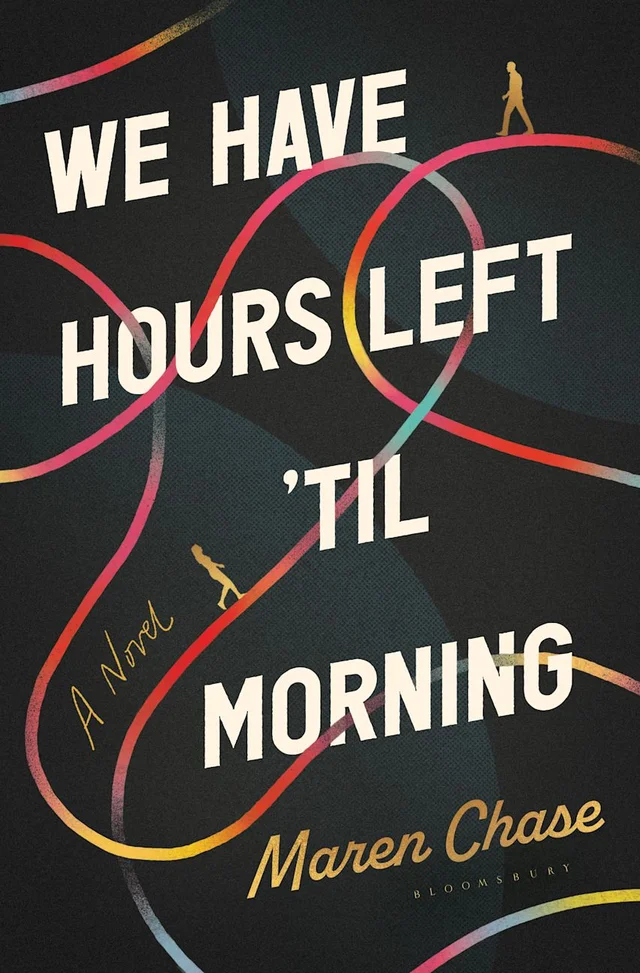
Chase blends high-concept time travel and a romance whose participants know incompatible versions of their own history.
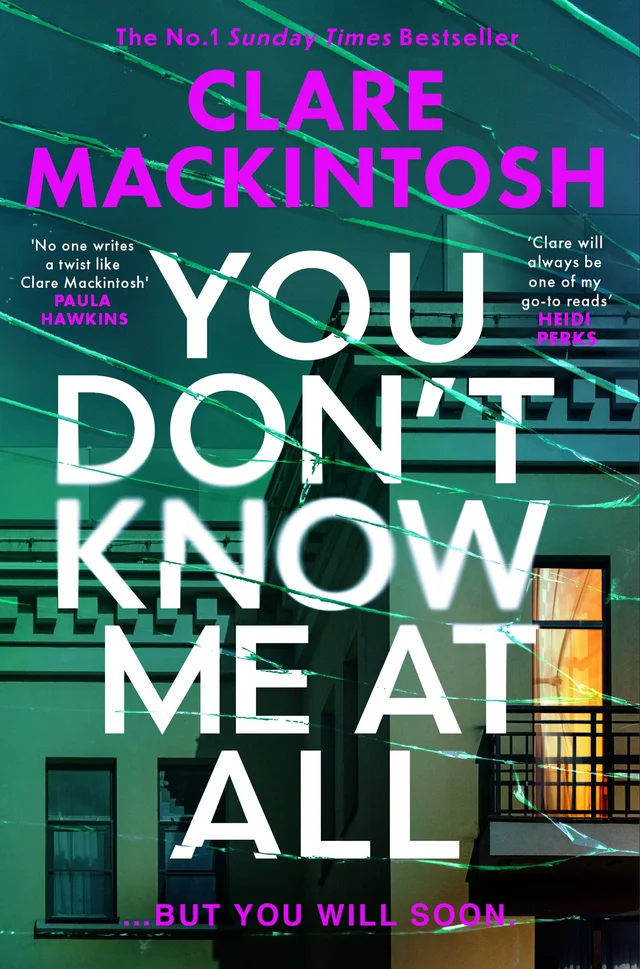
A judge who depends on evidence finds her own freedom resting on an alibi from a stranger she cannot identify.
A podcaster’s hoped-for comeback conflicts with a sheriff’s wish to protect her town, until another body makes reassuring explanations untenable.
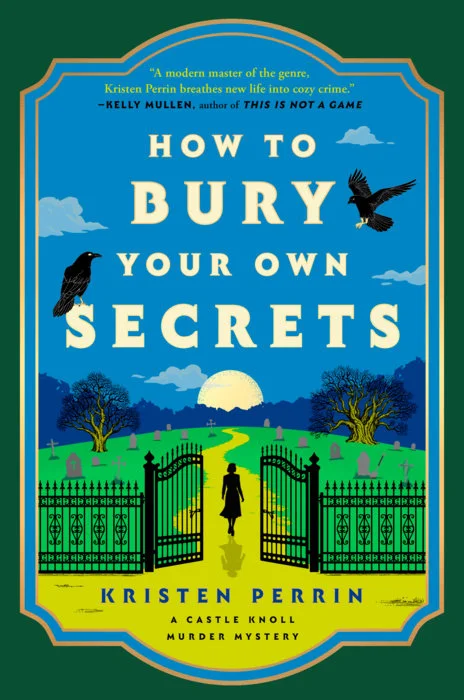
Perrin continues the Castle Knoll mysteries with two film productions and two periods of investigation. Frances’s unreliable diary adds a specific difficulty to the series’ exchange between past and present.
The seventh Kings of Sin novel centers Killian and Tate on a promise never to fall in love, placing resistance to attachment at the heart of its premise.
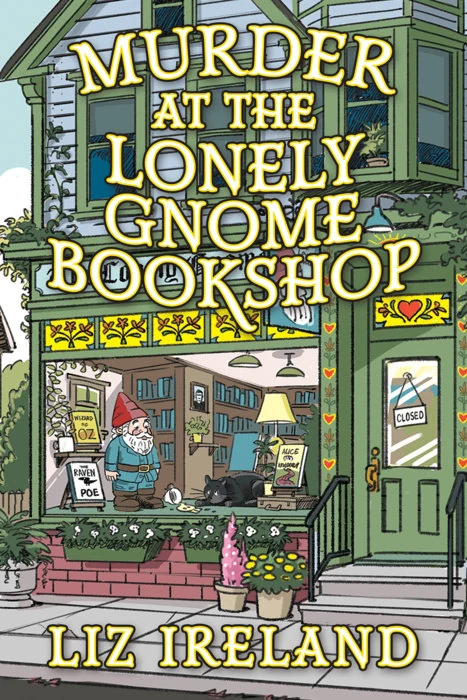
An inherited bookstore offers Zoey a fresh start, until the troubles surrounding the shop and her uncle draw the former accountant into a seaside murder mystery.
James brings her experience of bookish fantasy to adult romance. The portal premise lets literary knowledge become a practical problem for an unusually unprepared traveler.
The second New Alchemists novel continues the adult fantasy begun in Red City. Its syndicates and dangerous alchemy distinguish it from Lu’s novels for younger readers, despite the familiar author name.
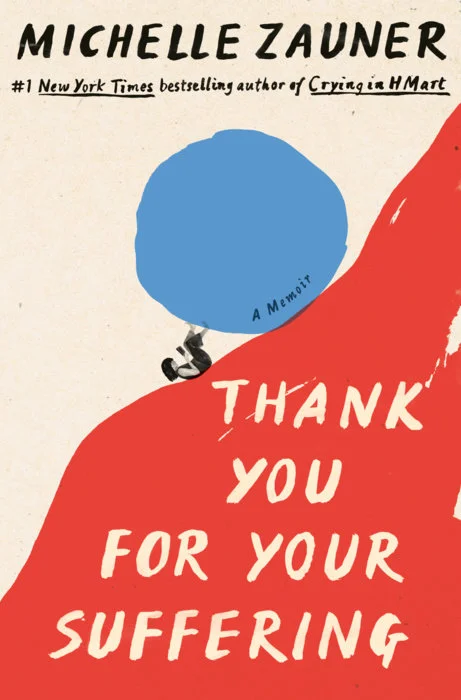
Zauner continues the family and cultural questions of Crying in H Mart through language learning and everyday life abroad. The year in Seoul provides a distinct narrative frame for readers following both her writing and Japanese Breakfast.
A plantation cabin carries its history into a luxury development, making the past an active, supernatural presence in the novel’s present.
A standalone fantasy offers an entry point to Cho's work through an inventive afterlife setting, repeated escape attempts and unresolved ties to the living world.
Fairbanks connects her experience as a patient with the history of Lyme disease, following the disputes surrounding its recognition, treatment, and persistent symptoms.