Fantasy2 March 2027 · US
By Breath
Cast launches a new YA fantasy rooted in Highland water lore, with a human-and-kelpie bond distinguishing it from her established series.
Release calendar / 03
March brings Elwood Reid's revenge Western, Genki Ferguson's coastal coming-of-age mystery and Tria Wen's memoir of art and caregiving. Brynne Weaver's Hunting Season concludes a dark romantic suspense trilogy on March 30, according to the selected publisher edition. Mark Hyman sets out his approach to longevity in 100, adding an author's argument about prevention to the month's nonfiction.
Browse by publication date. Where only the month is confirmed, the day is marked as forthcoming.
Exact dates
Cast launches a new YA fantasy rooted in Highland water lore, with a human-and-kelpie bond distinguishing it from her established series.
Maurer follows one intelligence operative through clandestine work, capture, and escape, making individual resistance the thread through a wartime biography.
An inherited itinerary joins two generations of romance, as the grandchildren following it face responsibilities on opposite sides of the Atlantic.
Clayton’s first adult fantasy brings forbidden love and the pull of home together in New Orleans, opening a new series.
The second Barbaric Ledgers adventure turns a festival into a heist, with a divine prison and an endangered wizard complicating Gotchimus’s plans.
Eisen and Weinreb trace how an offseason administrative event became a television spectacle, connecting football history with the machinery of sports media.
Eckstein connects the Jewish declaration Here I am with the everyday obligations of presence, using biblical teaching and humanitarian work as her guides.
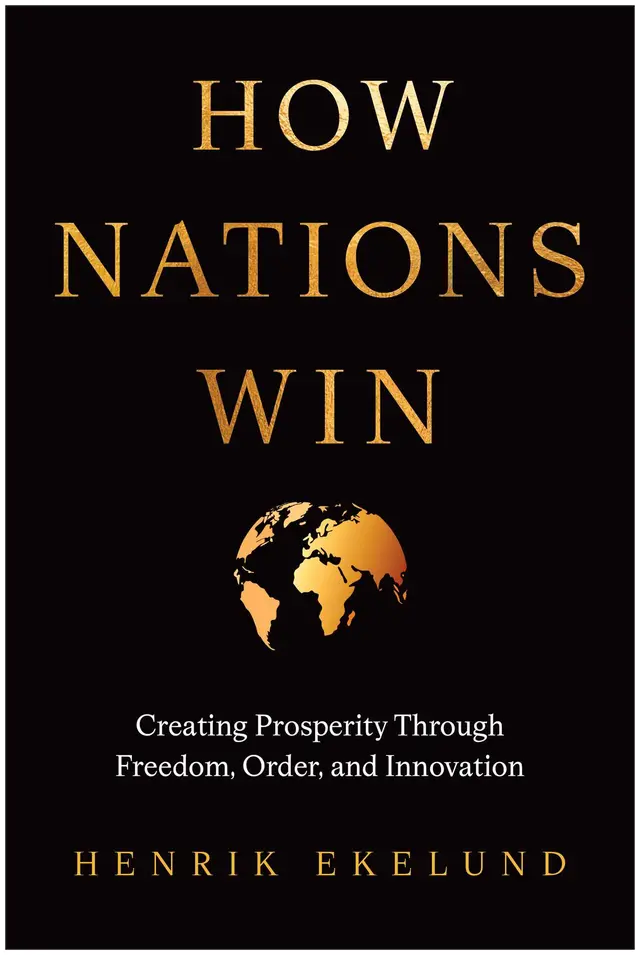
Ekelund examines national growth across countries and periods, giving readers several ways to consider the relationship between policy and prosperity.
Its first-contact premise uses language and survival to build a large-scale speculative story.
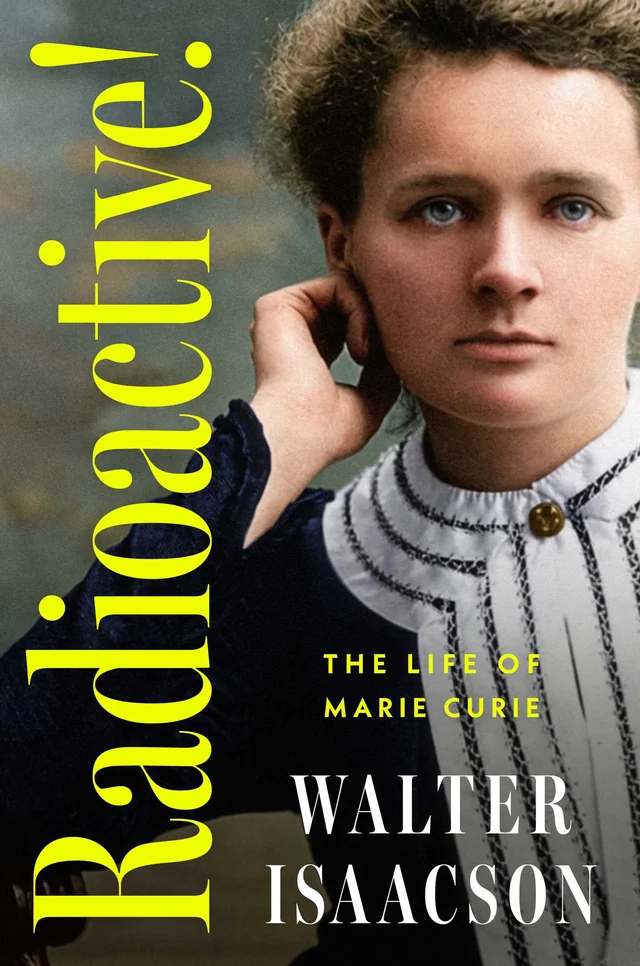
Curie’s path from Poland to Paris connects scientific discovery with the institutions, personal choices, and public pressures surrounding her work.
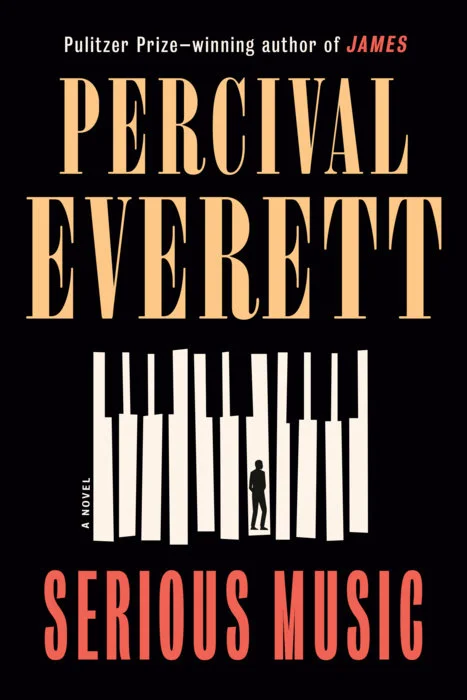
Everett follows James with another historical novel concerned with race and authorship. Music supplies a new route through questions of power and ownership.
Readers of Deep Work and Digital Minimalism can follow Newport’s interest in attention into the broader question of how to build a deliberate daily life.
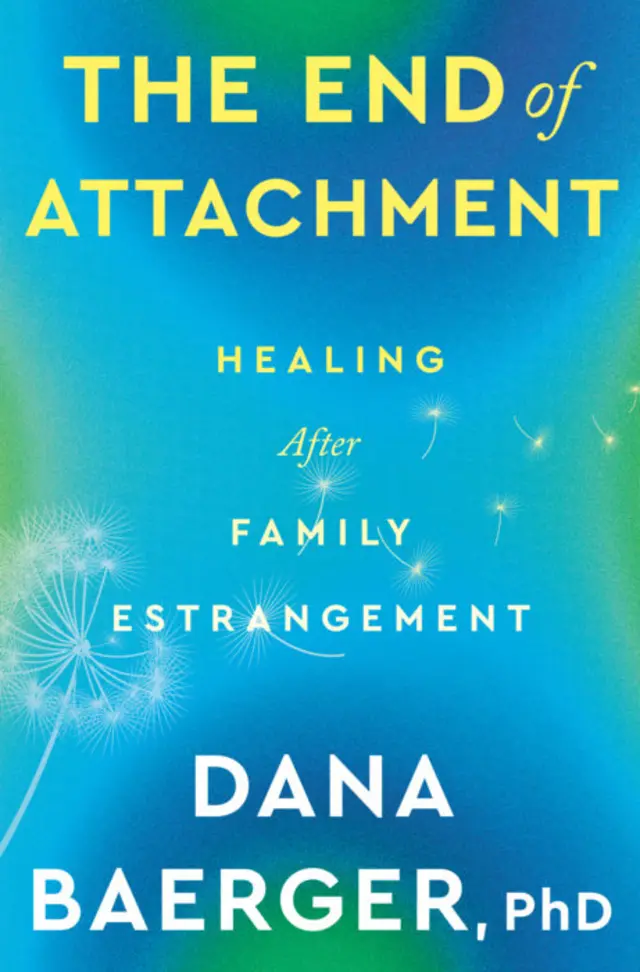
Baerger examines family estrangement through the difficult choice between repairing a relationship, setting boundaries, and maintaining distance.
Reid moves from celebrity-centered fiction into a road story about female friendship and deception. The 1970s setting offers a different entry point for readers who know Daisy Jones & The Six or The Seven Husbands of Evelyn Hugo.
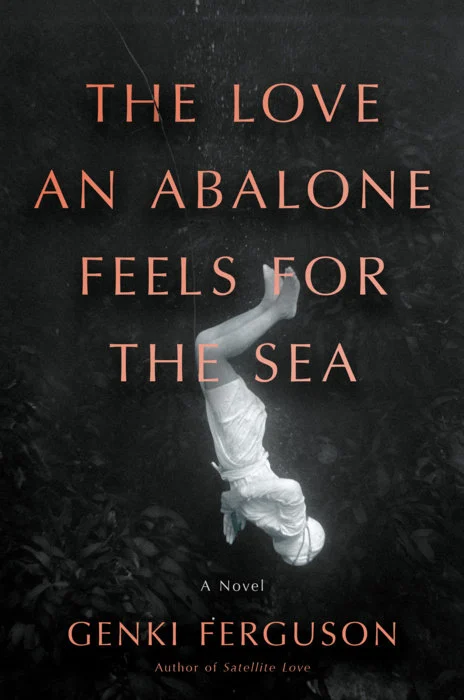
Ferguson’s adult coming-of-age novel draws a brother through the fragments of his sister’s life, with ama diving and an unsent letter complicating his understanding of her death.
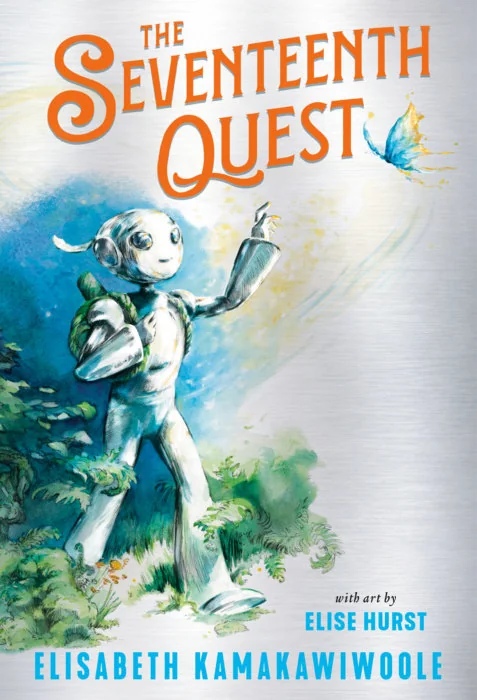
A robot’s wish to become a knight makes storytelling part of a middle-grade adventure about finding humanity and making a connection of his own.
Amy Tintera's darkly comic suspense story uses a difficult stepfamily and a buried earlier murder as a fresh mystery framework.
Patterson and Ellis return to the world of The Black Book. The Harney family’s mixed loyalties make the collaboration a useful addition for readers following Patterson’s police thrillers and Ellis’s work as a novelist.
Family journals and correspondence reveal a mother’s artistic life, prompting Wen to reconsider the relationship between women’s ambitions and the care they provide.
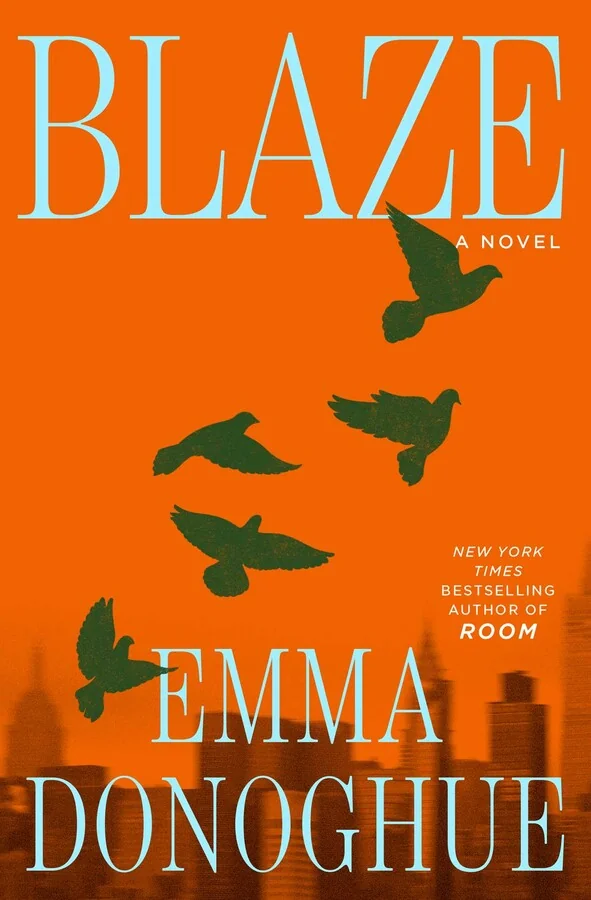
Donoghue's post-apocalyptic coming-of-age story approaches a familiar setting through an unexpected narrator.
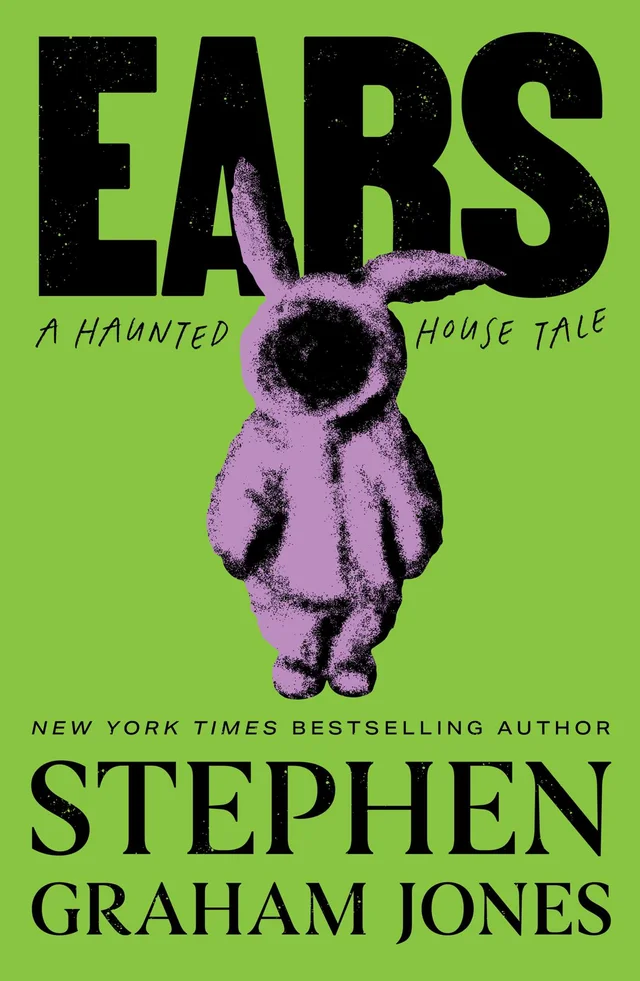
Jones compresses a haunted-house story into a novella about belonging and dependence. The uneasy alliance between caretaker and ghost offers a distinct premise for readers following his longer horror novels.
Fuel theft and unexplained disappearances bring a police chief together with a UFO investigator, giving an apparently local mystery an uncertain speculative threat.
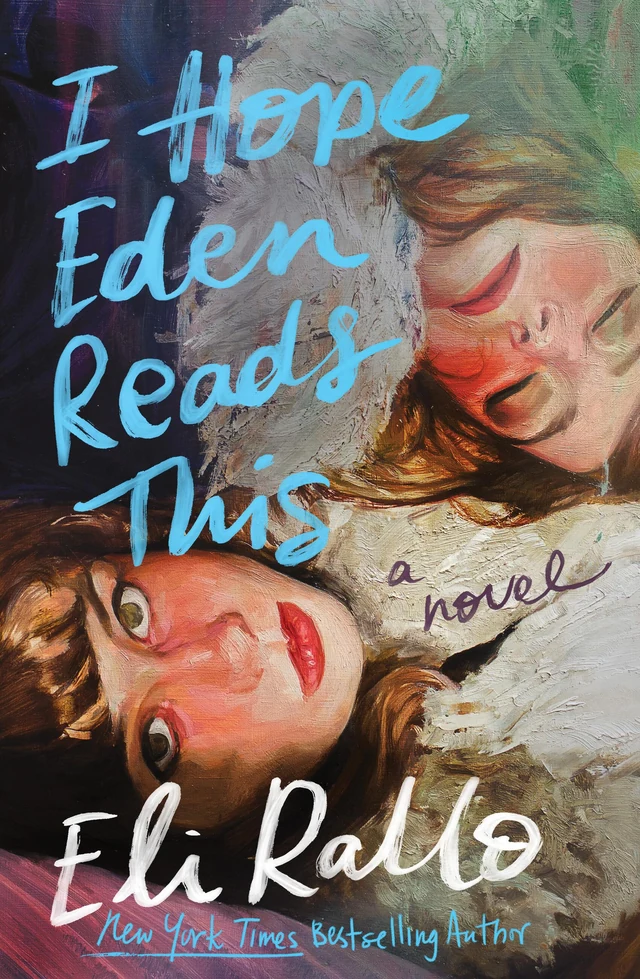
Rallo’s fiction debut treats the loss of a defining friendship as its central rupture, following Penny across both the relationship and its aftermath.
The third Story Lake romance turns to Grace and Levi, with a bookstore job and a lakeside community at the heart of Grace’s attempt to start again.
Guilardi’s debut reworks Persuasion through contemporary celebrity and film production. The sequel contract makes the reunion unavoidable, while Anna’s public career and family obligations complicate the second chance she might otherwise choose.
Ishiguro’s new novel brings a comic caper to his interest in uncertain perception. Its prewar setting offers a different entry point for returning readers.
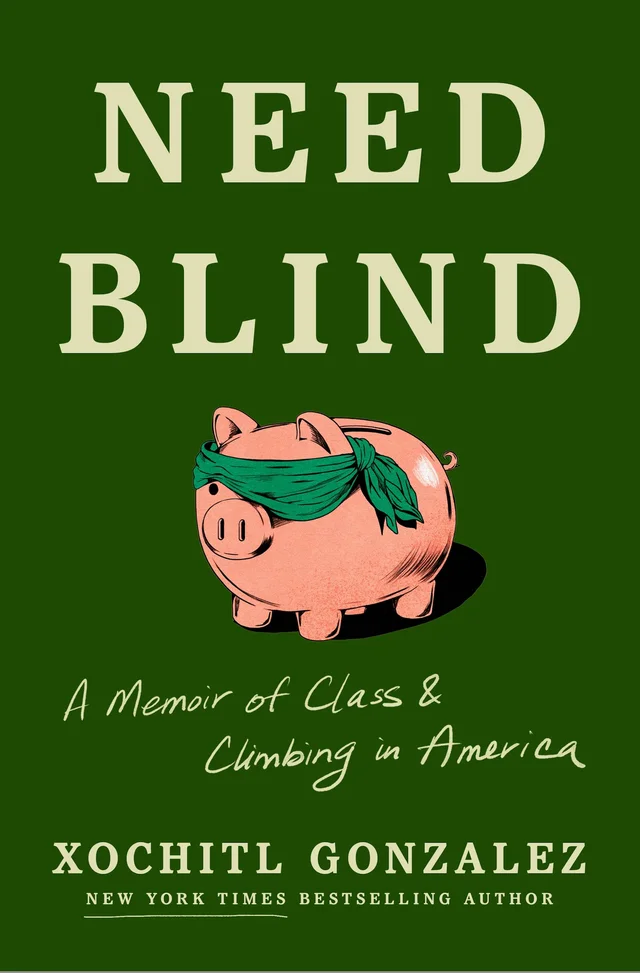
Gonzalez brings her experience of moving from working-class Brooklyn into elite institutions to an examination of class, mobility, and American power.
Unger connects an isolated domestic setting with the danger of a public smear campaign. Readers of her psychological suspense can follow Ivy’s predicament as financial vulnerability and a stranger’s apparent generosity become difficult to separate.
May extends the conversation of Wintering toward the obligations of care. The focus is on lived experience and its contradictions rather than a promise of effortless resilience.
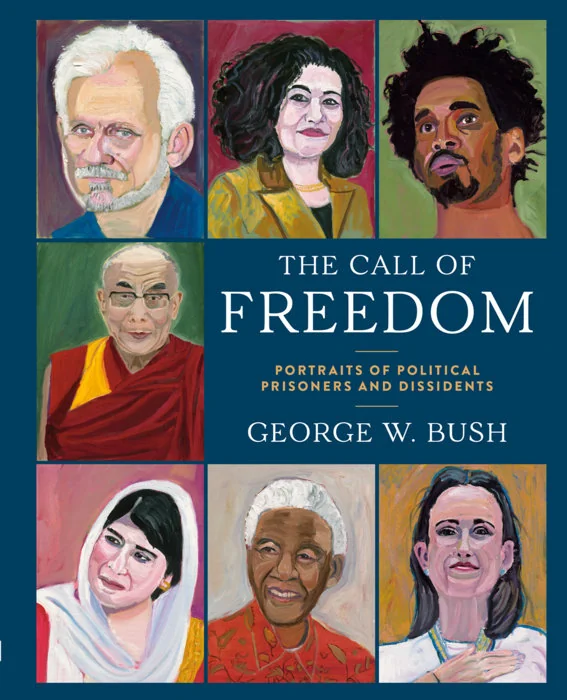
Bush pairs portraits with accounts of political imprisonment, bringing individual lives into view through painting and short biography.
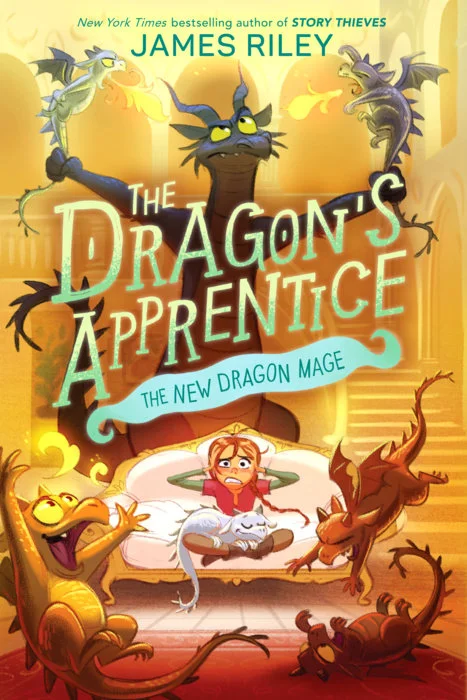
Ciara’s increasing power becomes a political liability in the fourth Dragon’s Apprentice adventure, as a new opponent seeks to erase magic itself.
A domestic psychological thriller set against a winter landscape, from the author of the novel behind Tell Me Lies.
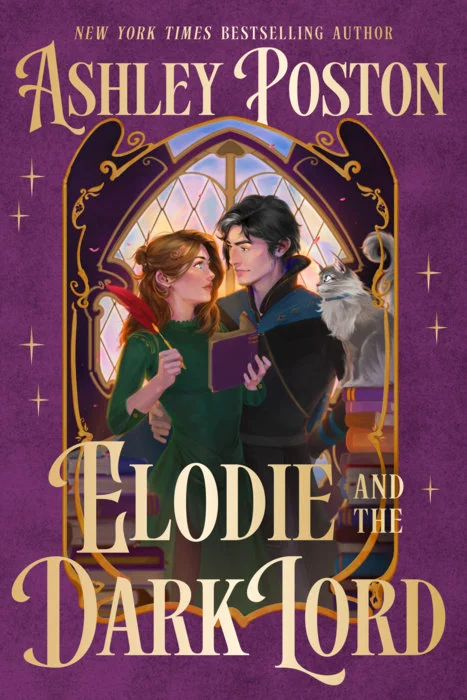
Poston gives a librarian a disruptive relationship to magic, making the ability that sets her apart a possible answer to her brother’s disappearance.
Melville’s journey connects the biology of long-lived trees with the human histories around them, asking what their survival reveals about decisions over land.
A closed community and an impossible body combine a mystery structure with Tchaikovsky’s speculative world-building. This standalone offers an entry point for readers who are not ready to begin one of his longer series.
Baker follows four baseball teams through a changing postwar New York, linking the game to the city’s racial, economic, and social transformations.
Reid's return to the novel takes the form of a violent Western, using a revenge journey to examine family, landscape and moral choice.
Williams follows hustlers and counterfeiters through the post-Civil War economy, connecting historical change with the decisions of individuals.
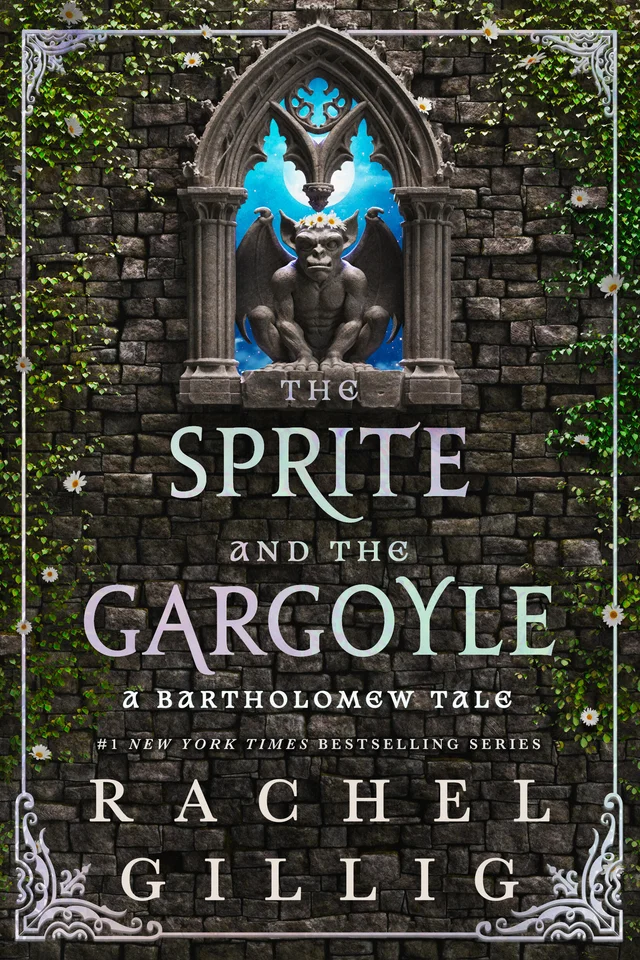
Bartholomew returns a century after The Knight and the Moth, giving this shorter standalone a familiar companion and a new young king to follow.
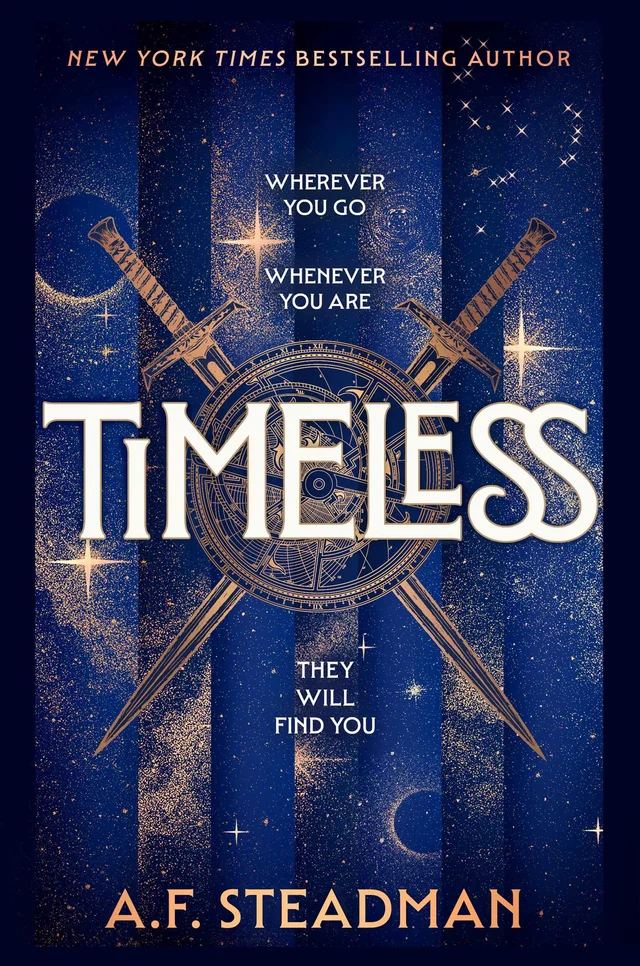
Steadman moves into adult fantasy with a time-traveling assassin whose attraction to an enemy threatens the history she has been trained to protect.
Pueyo's first full-length novel gives parallel realities political and personal stakes rather than treating them as a simple puzzle.
Snyder makes a small-town tear in time both a romantic possibility and a risk, as Everly encounters her own teenage mother in 1998.
Veterinarians’ own accounts connect the treatment of animals with the people who depend on them, giving care a reciprocal, sometimes unexpected shape.
Readers following the longevity debate can track Hyman's next argument about personal health data and prevention, with its proposed benefits understood as the author's claims.
The partnership between an outcast and a contrary bird gives Nayak’s series opener its character. Its fantasy intrigue begins with a job that goes wrong.
The book reframes a figure often remembered for fourteen months in the White House through the much larger intellectual, political and personal life around them.
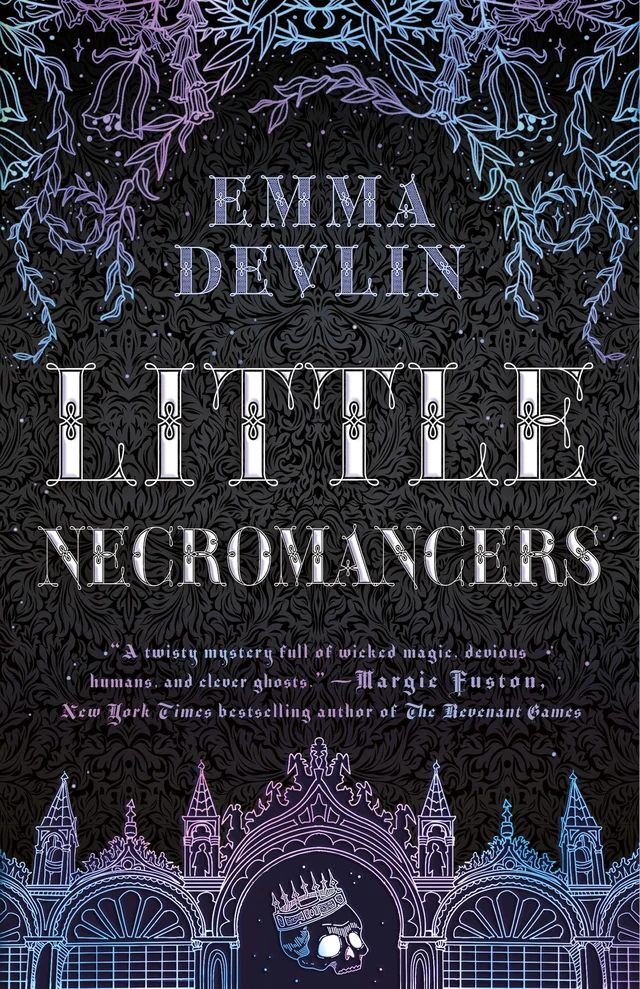
Devlin builds a YA whodunit around the economics of resurrection and an uneasy household of servants and employers, connecting magical power with inherited privilege.
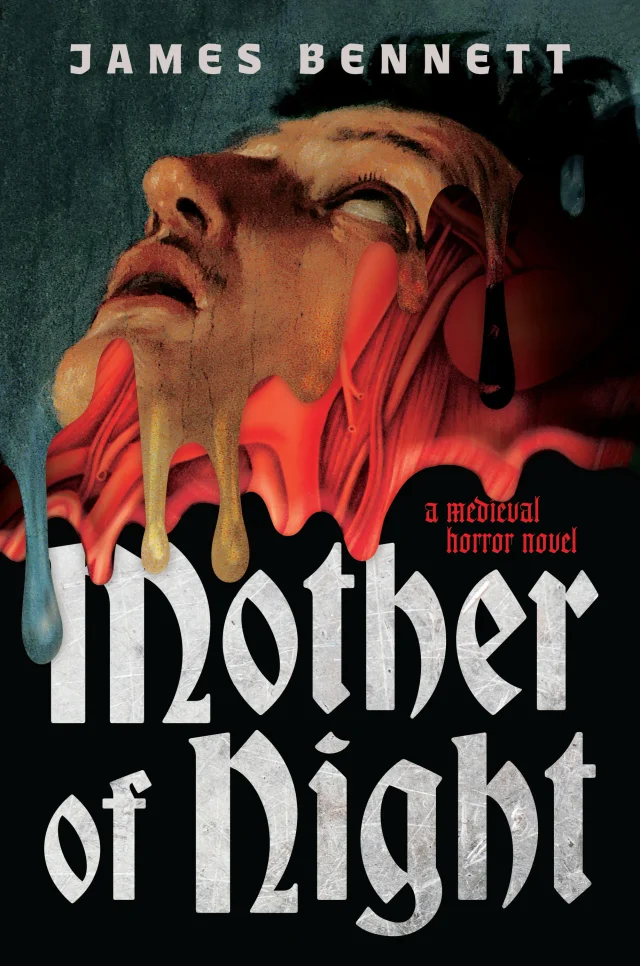
Bennett brings medieval history and supernatural horror into the same dangerous journey. Readers interested in haunted landscapes and loyalties under pressure can follow Jean’s determination to protect the person he loves.
Chapman takes an adolescent fantasy literally and follows it into adult heartbreak. The supernatural slasher premise gives the book a distinct identity for readers of Wake Up and Open Your Eyes and relationship-centered horror.
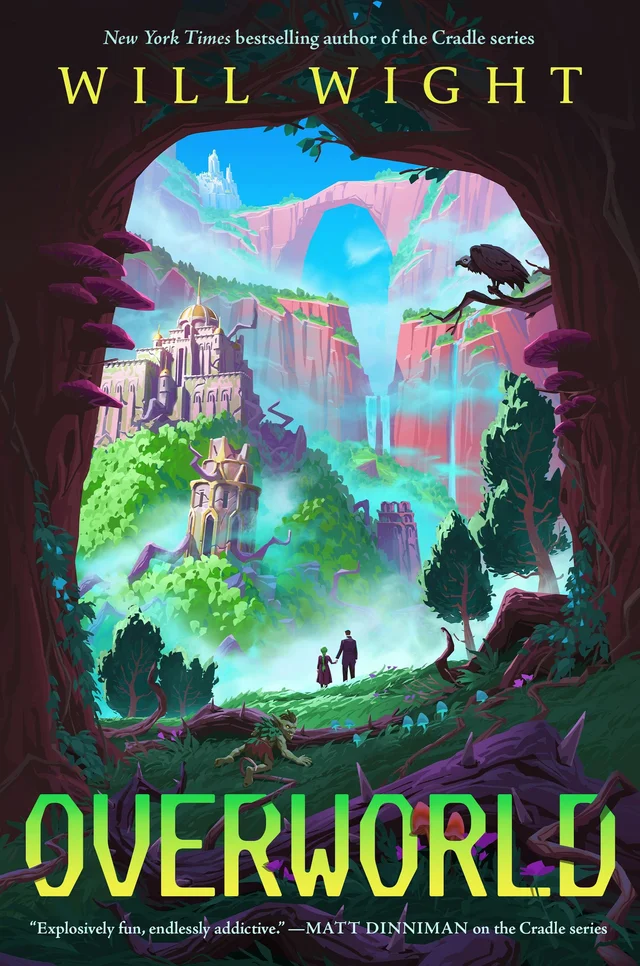
Wight’s first project with Tor introduces a new LitRPG adventure. A butler’s habits offer a different starting character for readers familiar with Cradle.
McFadden makes uncertain memory part of a killer’s own predicament: Samantha must work out whether the bodies she discovers belong to her waking life or her sleep.
The Experimental History writer turns his interest in scientific practice into a book about discovery itself. Its blend of historical cases and psychology offers an entry point for readers interested in innovation beyond biographies of individual inventors.
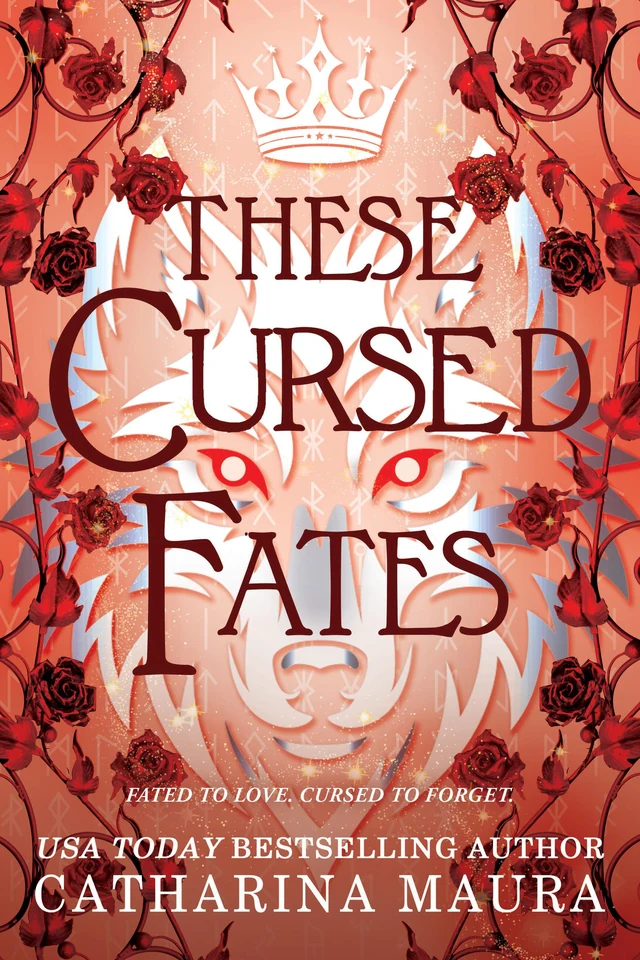
A prince’s lost memories turn a former love into an apparent enemy, making a marriage intended to prevent war a deeply personal test of trust.
A Neagley-led series opens another route into the Reacher universe while giving the supporting character a case of her own.
A speculative frame lets Buxbaum explore memory and change across the span of one woman's life.
St. James turns a familiar literary reference into a contemporary story of family wounds, queer identity, and a second chance at love.
Riordan and Lukoff return to Camp Half-Blood through Harper, whose search for belonging brings new challenges for a child of Aphrodite.
Brown's romantic suspense brings two apparently separate bereavements into one investigation, a useful starting point for readers following her standalone thrillers.
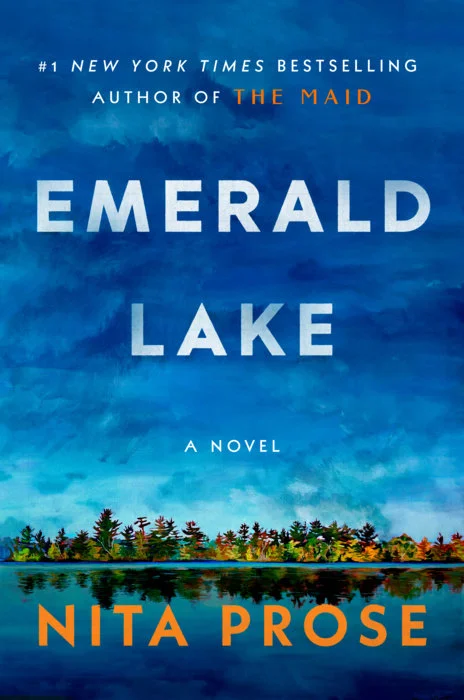
Jane’s granddaughters uncover remains that put decades of silence at risk, linking a present-day lakeside investigation to the summer of 1955.
The trilogy finale gives dark romantic suspense readers a natural place to continue, combining a fractured relationship with a dangerous common adversary.
Steinfort applies his work with athletes, emergency teams, and leaders to the everyday problem of choosing a next step when pressure disrupts performance.
Sandford brings Davenport’s personal history into the investigation. Jennifer’s newsroom work creates several possible sources of hostility, giving the latest Prey novel a specific link between public scrutiny and private loss.
Suarez returns to technological suspense through disaster preparation, autonomous weapons and unequal access to safety. The conflict makes AI part of the physical power struggle rather than an abstract future concern.
The author of Last Night at the Telegraph Club turns to memoir for young readers. Its use of several literary forms gives a new route into her work while retaining the family and identity questions familiar from her fiction.
O’Sullivan’s debut uses an adult return to childhood to examine guilt and unreliable recollection. Its three-girl friendship gives the suspense a specific emotional center for readers who prefer psychological uncertainty to an investigator-led case.