Fantasy2 February 2027 · US
A Most Decadent Curse
Yelle draws on Poe’s poetry for a YA gothic story in which two estranged sisters must rebuild trust while escaping inherited grief and a castle’s curse.
Release calendar / 02
February pairs artifact adventure from Steve Berry and Grant Blackwood with Natashia Deón's fictional D-Day witness and Peter Sokolowski's history of dictionaries. Roland Martin examines Black civic institutions, while new YA fantasies and spiritual nonfiction broaden the calendar. Each entry preserves its own audience and edition-specific date.
Browse by publication date. Where only the month is confirmed, the day is marked as forthcoming.
Exact dates
Yelle draws on Poe’s poetry for a YA gothic story in which two estranged sisters must rebuild trust while escaping inherited grief and a castle’s curse.
Yoon returns to young-adult romance with a story about chance connections and the urgency of an uncertain future.
Jakes uses a biblical storm to explore the gap between public leadership and private uncertainty, with Christian faith central to the book’s perspective.
Deón approaches D-Day through a fictional Black woman’s life, connecting the battlefield with earlier struggles over education, family responsibility, and freedom.
Martin connects civil-rights history with the practical work of Black community institutions, arguing for collective action rooted in local networks.
A series of shared quests brings three estranged friends together, asking whether the chosen family they once promised can survive betrayal and forgiveness.
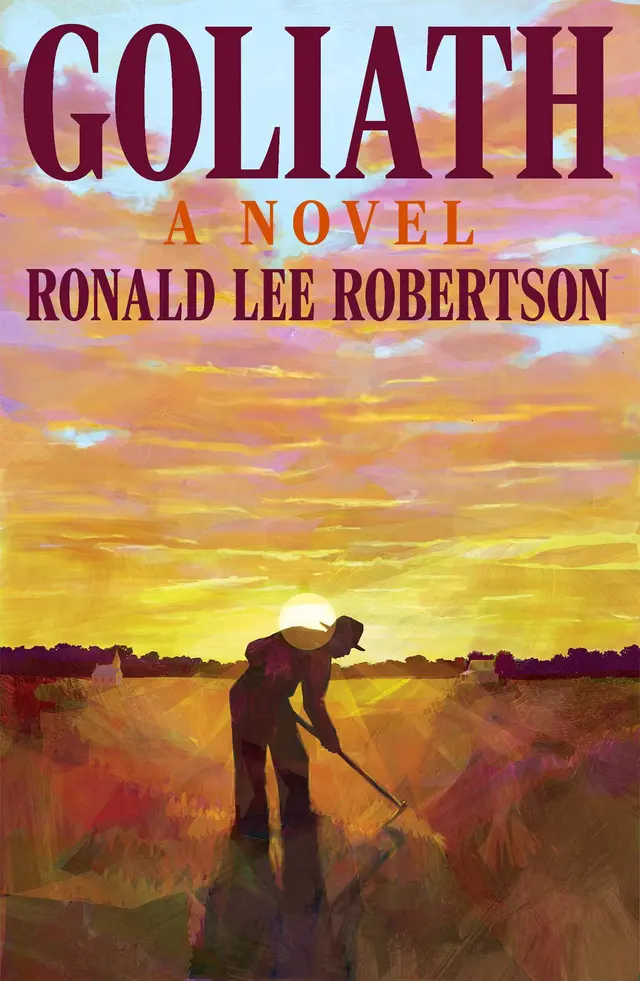
A debut family saga offers room for private lives to unfold against a larger historical setting.
Wang makes artistic ambition part of the relationship itself. Readers of Chemistry and Rental House can follow another closely observed study of intimacy.
A relocation officer’s assignment puts institutional duty in conflict with ecological resistance, making climate pressure part of the character’s dilemma.
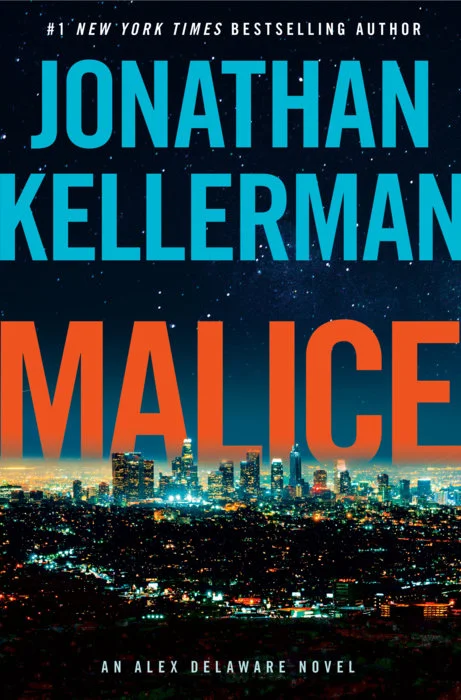
Delaware and Sturgis give Kellerman’s returning readers a familiar investigative partnership. The disconnected victims make this an entry for readers interested in motive and psychological patterns, alongside the procedural work of tracing a killer.
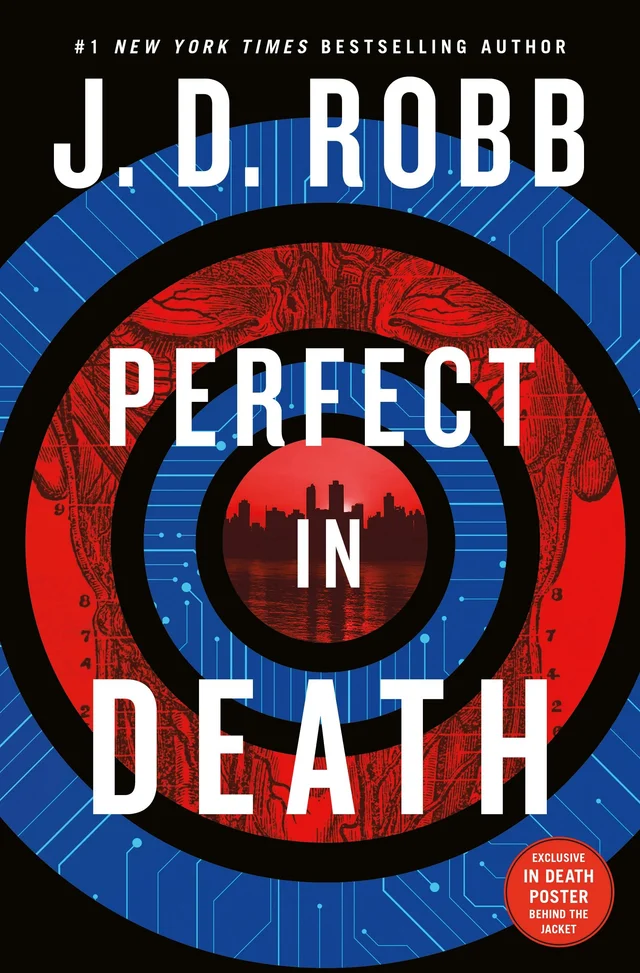
The sixty-fourth In Death novel brings Eve Dallas and Peabody into an academic murder investigation where medical knowledge may help explain the violence.
An epistolary story brings a half-fae writer’s retreat into contact with Dutch island folklore, curses, and a new attraction.
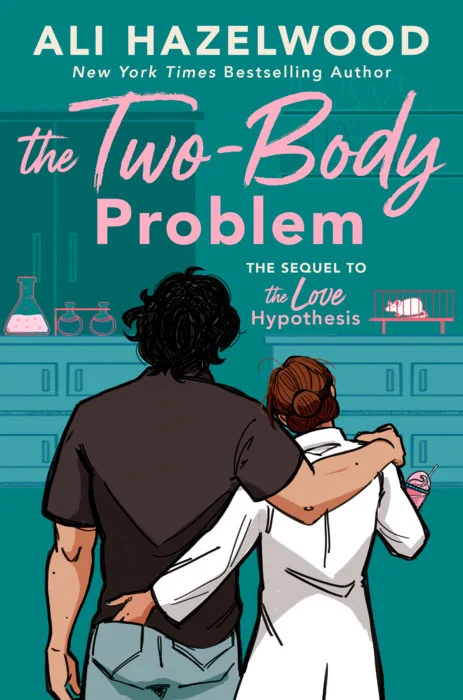
Olive and Adam’s story continues beyond The Love Hypothesis, asking how a shared relationship survives career decisions that may lead in different directions.
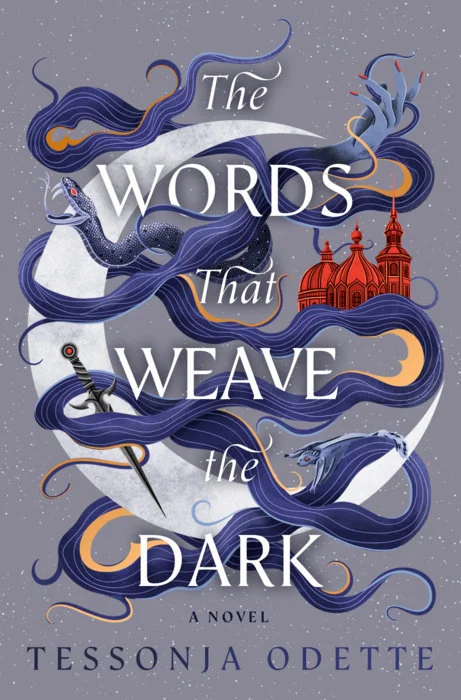
The sequel to The Lies That Summon the Night makes Inana’s growing power inseparable from the restraint her mission and relationships require.
A practical introduction to intellectual habits offers an ideas-focused release for readers interested in philosophy outside a formal academic course.
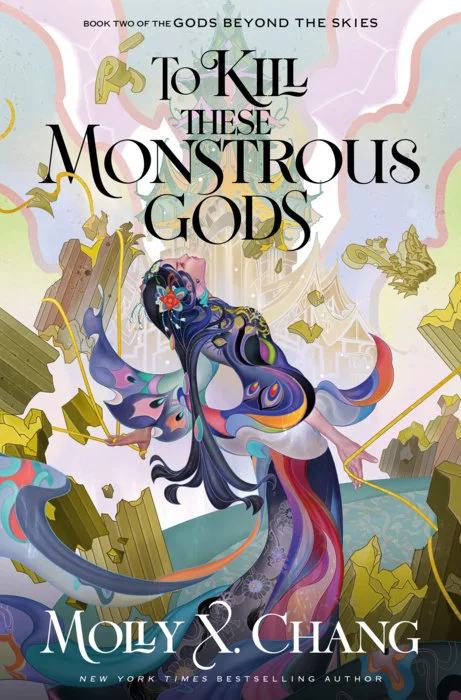
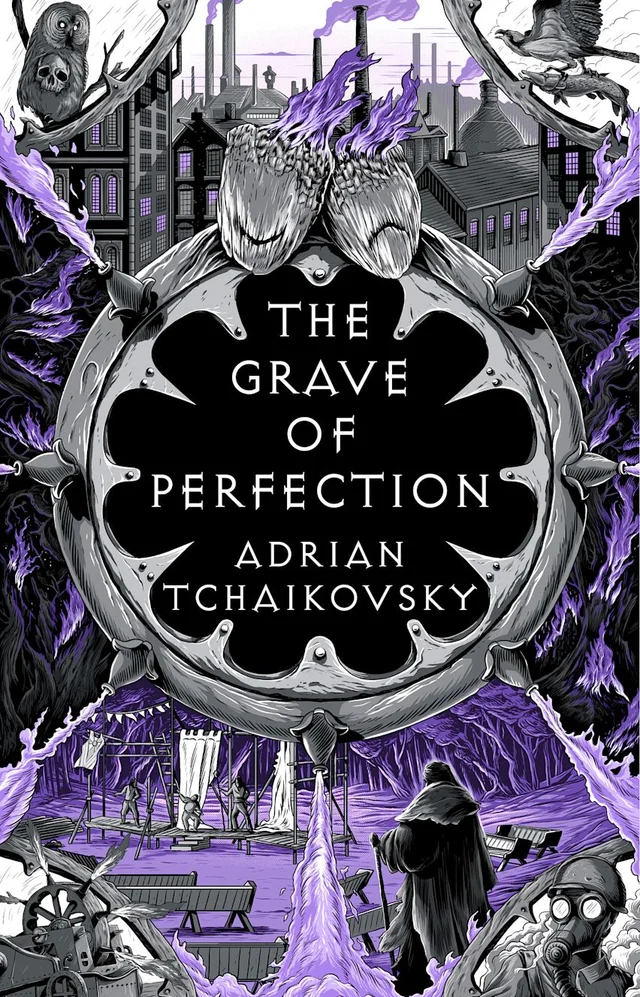
The second Gods Beyond the Skies novel continues the occupation story begun in To Gaze Upon Wicked Gods. Its assassination plan makes the sequel’s stakes explicit.
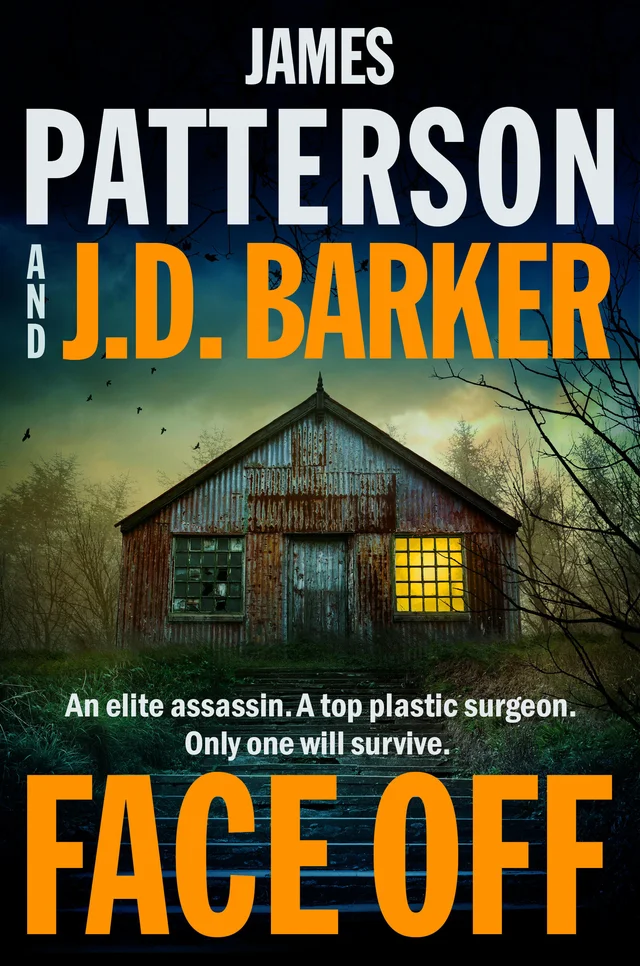
Patterson and Barker turn specialist medical knowledge into a means of coercion. The confined setting gives this collaboration a clear survival-thriller hook.
Cohen follows The Netanyahus with another novel about the space between public history and private lives. The focus on Herzl’s descendants makes the family tragedy, rather than a biography of the political figure, the central reading proposition.
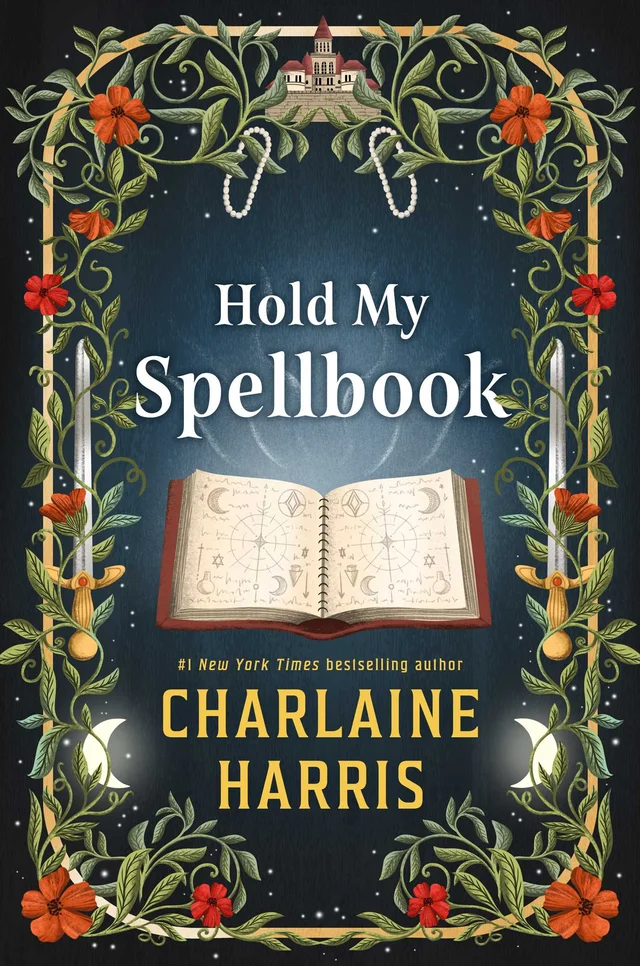
Harris opens a new portal fantasy series, giving readers of her Sookie Stackhouse novels a fresh world of family alliances and dangerous attraction.
Oakley uses concerts as the structure of a long relationship. Readers interested in music, missed chances and the costs of fame have a distinct premise to follow.
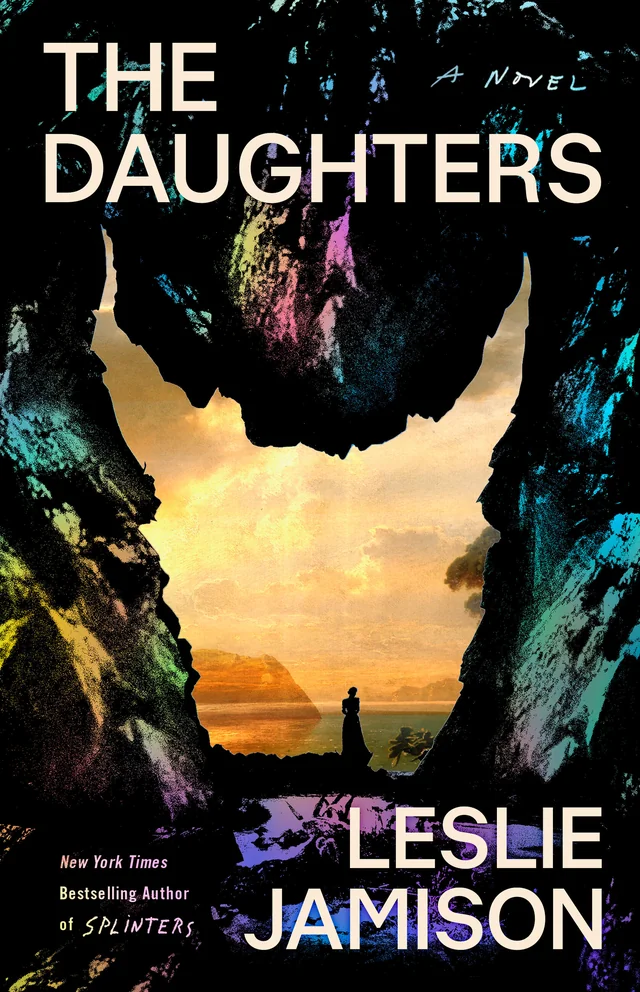
Jamison returns to the novel with three women linked by an ancient myth and a story centered on relationships between women.
Damour turns the focus of her work with family emotions toward caregivers, asking how parents’ own feelings affect the care they give.
The Tyrant Philosophers concludes in the city where it began, with a playwright’s final commission placing art inside the resistance to Palleseen rule.
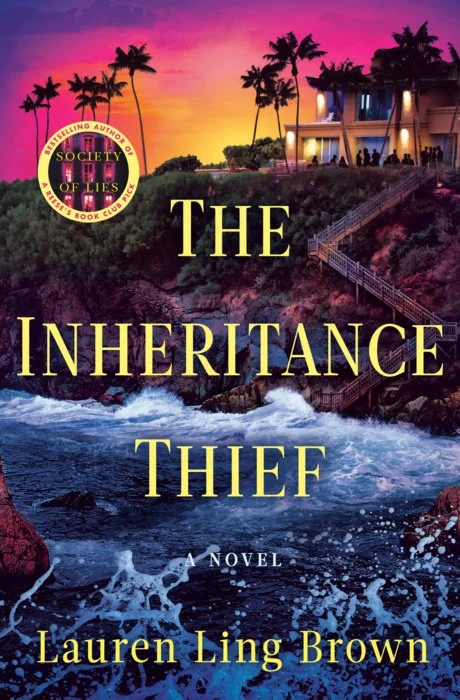
Brown follows Society of Lies with another thriller about access, status and concealed connections. Malibu and Chamonix provide contrasting settings for an investigation rooted in the employer’s unsettling knowledge of Zoe’s family.
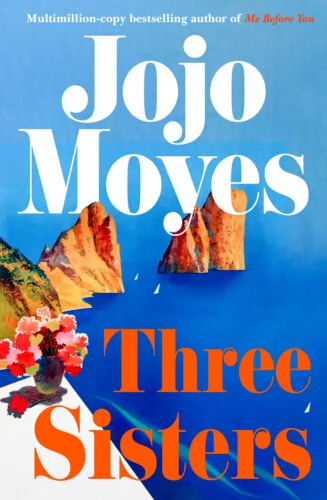
A summons to Capri gives three sisters a reason to reunite, bringing their hopes of seeing one another into a difficult relationship with their artist father.
Grace opens In the Paddock with a Formula 1 reunion, where a past scandal and the scrutiny surrounding a new driver complicate a second chance.
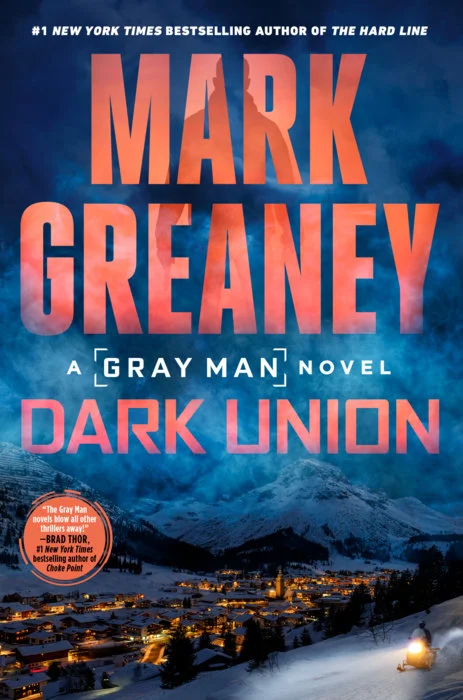
A glimpse of the brother he believed dead gives the Gray Man a personal reason to challenge a carefully protected family history.
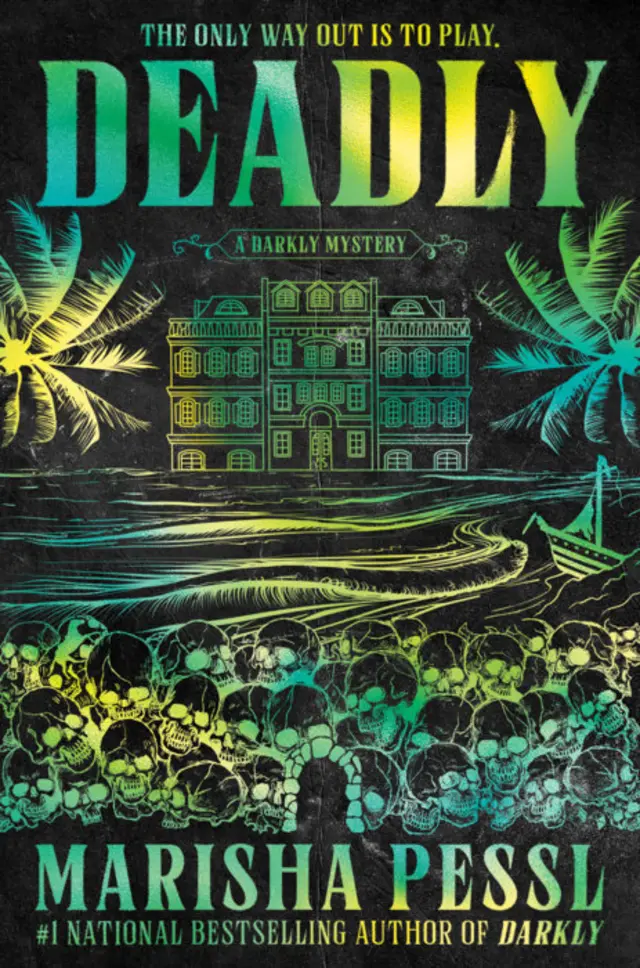
Pessl combines a missing-person investigation, puzzles and romance with the world of Darkly.
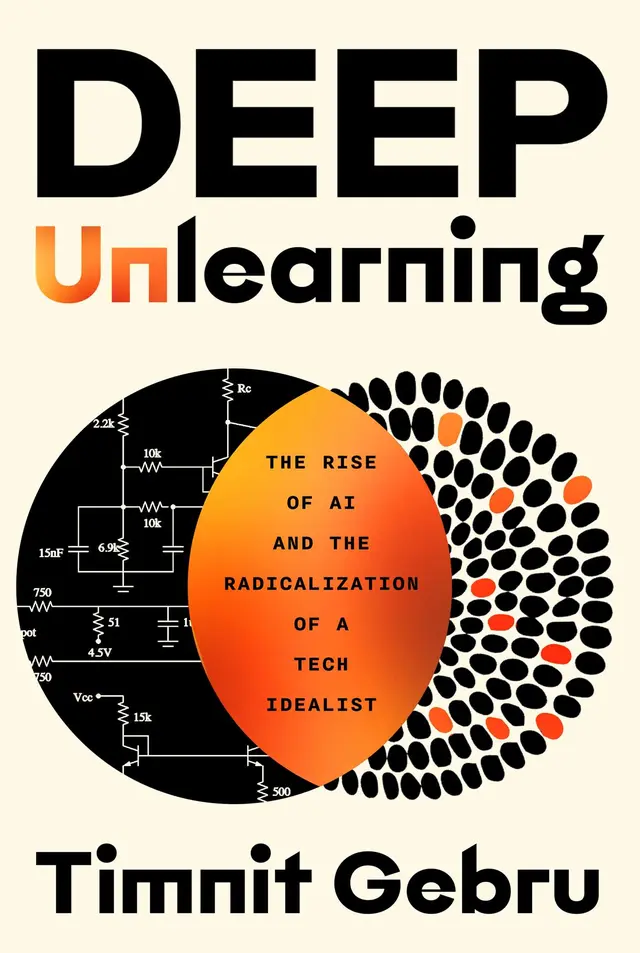
A first-person account from inside modern AI research that links personal history to questions of bias, institutions and technological power.
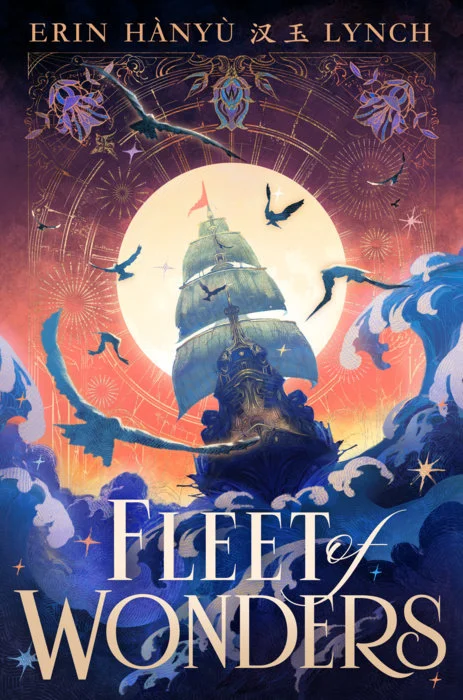
False identities offer two friends a chance to escape poverty, but winning the imperial competition means serving the power that conquered their parents’ homeland.
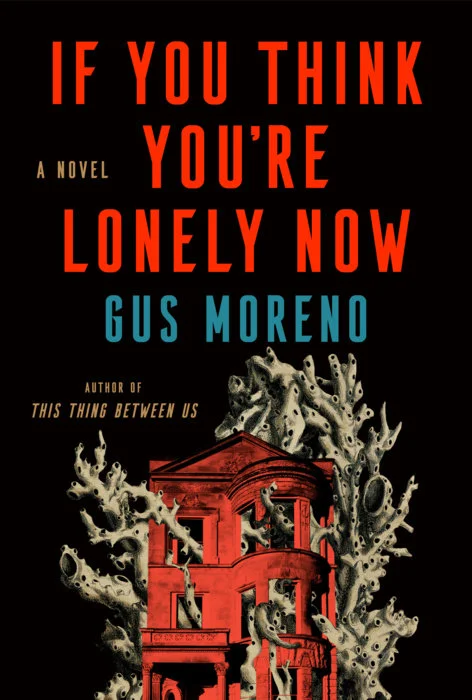
Moreno returns after This Thing Between Us with another intimate source of dread. Property ownership and the wish for financial escape give the haunting a recognizable pressure point rather than treating the building as an isolated supernatural puzzle.
Lichtman narrows the timescale to explore a broad moral problem: what people owe one another when their lives intersect. Readers of Calling Ukraine get another novel balancing uncomfortable consequences with a searching, sometimes comic perspective.
Rivers opens the adult Faded Ink romance series with a university’s secretive order and a bargain that turns attraction into an assassin’s dilemma.
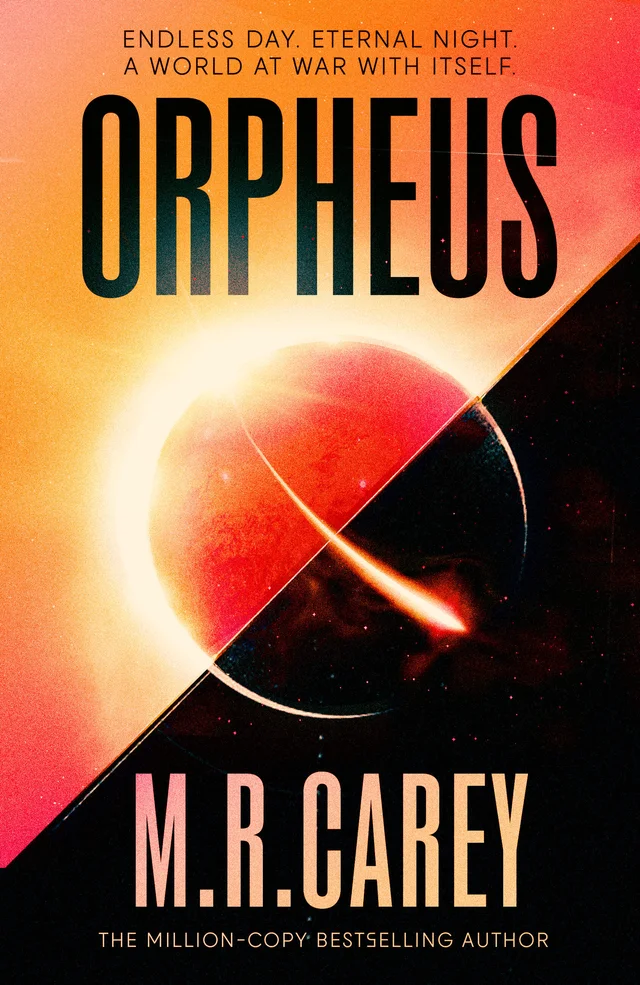
A permanently divided planet gives Carey’s adventure a physical boundary to cross, as Bead’s search for his mother leads him toward the frozen dark.
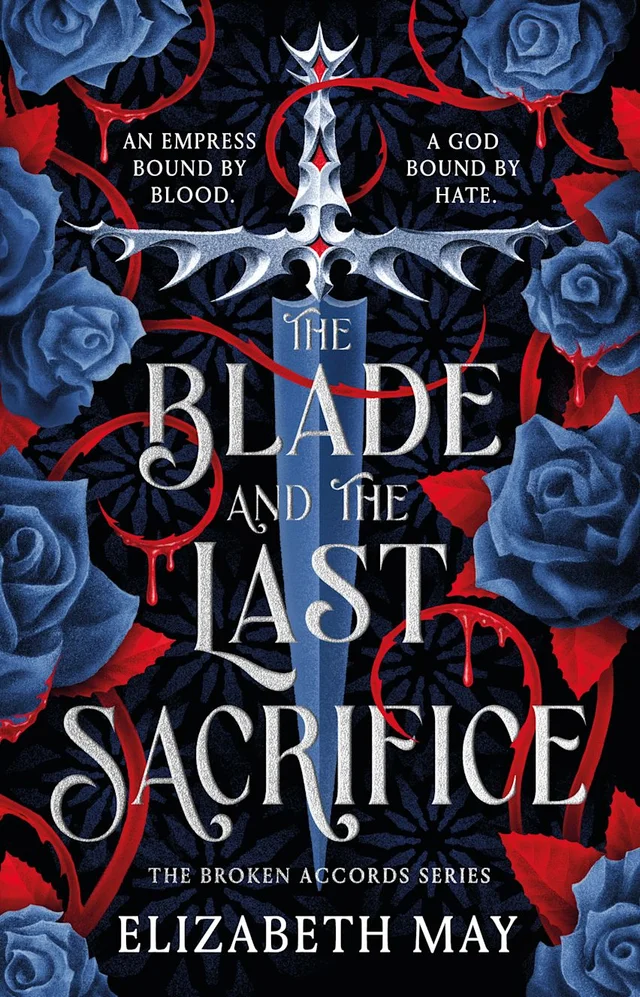
The second volume places Theodora’s duty to protect a fragile barrier alongside her dependence on an immortal who resents having to guard her.
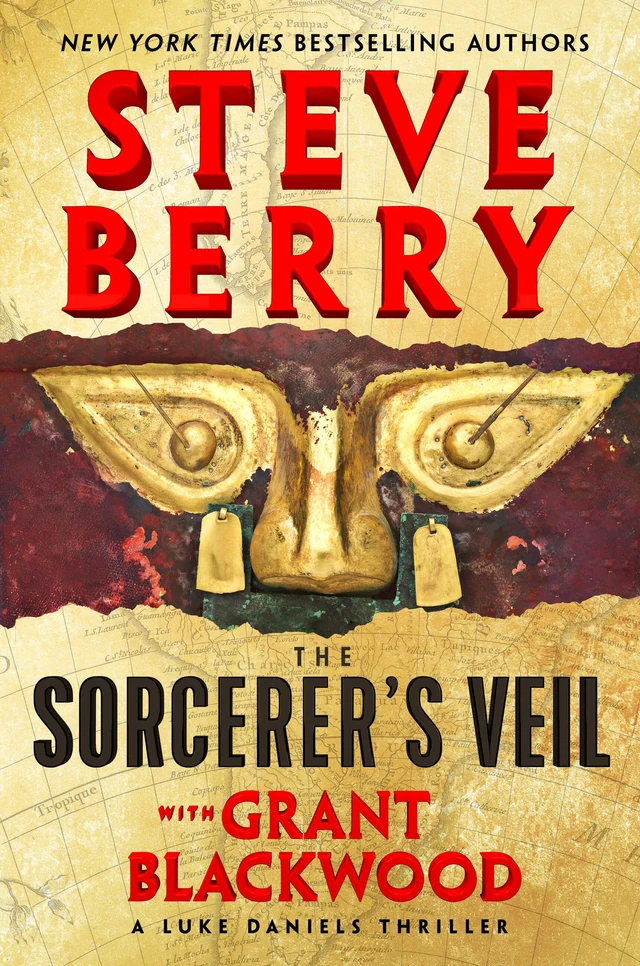
Berry and Blackwood continue Luke Daniels's adventures with an artifact hunt linking wartime cultural diplomacy, family memories and a present-day conspiracy.
Cooper's constellation-based YA fantasy begins with a would-be villain inside the institution opposing her, creating an immediate question about trust and redemption.
Patterson’s reported nonfiction, written with journalist Vicky Ward, connects a high-profile criminal case to its wider cultural reception. Readers interested in healthcare, media attention and public anger can track the forthcoming account here.
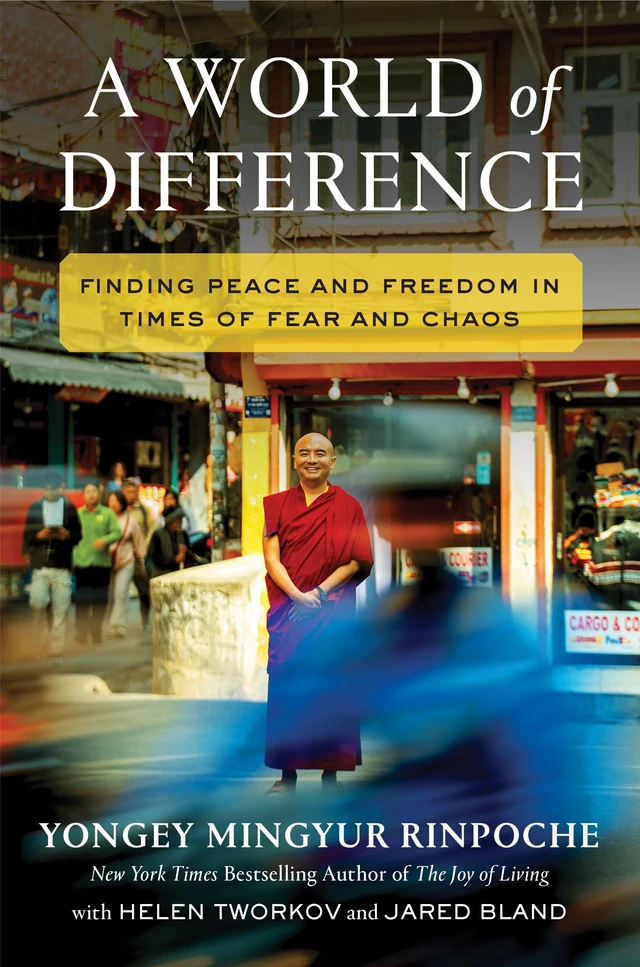
Rinpoche draws on Buddhist practice to examine fear and uncertainty, asking how people can respond to circumstances beyond their control.
The familiar act of looking up a word opens into a history of cultural authority, changing usage, and the people who decide how dictionaries define them.
Tooze connects climate politics, industrial policy and geopolitics through an economic historian’s lens.
The aftermath of a failed uprising sharpens Emeline’s divided loyalties in the continuing Conform story, with one bond binding her while another person remains captive.
Harry Hole returns for readers invested in Nesbø’s recurring investigator and the tensions of a long-running crime series.
A radio station’s uncertain future makes Maggie and Cooper adversaries at work, while their anonymous correspondence creates a very different relationship.
This Southern gothic mystery blends a working mortuary setting with paranormal clues.
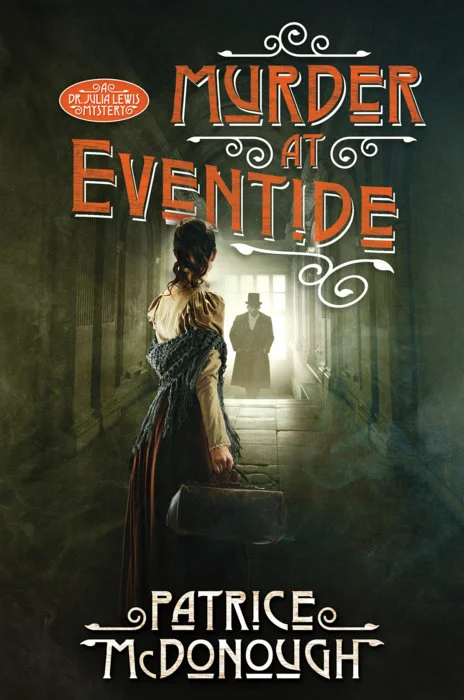
McDonough combines Victorian professional life with an investigation shared by a doctor and a police inspector. The missing notebook gives the case a concrete evidentiary puzzle.
The sequel to Sing the Night develops its operatic magic into a story about artistic ambition and royal control, continuing the Opera Magique series.
Cherry tells her own story of work and reinvention, tracing how a move from adult entertainment to Euphoria changed the public narrative around her life.
Holland’s Break Wide the Sea duology concludes with a shared search for a weapon, while a war and unresolved romance test Annie and Silas’s alliance.
The sixth Bone Season book is the penultimate entry in a long-running speculative series, making it an important February release for returning readers.
The first eight volumes have an established readership, making the newly announced ninth installment a useful date to follow as publication details emerge.
A nurse’s encounter with an injured Bigfoot shifter turns a mountain rescue into a playful paranormal romance and a fight to protect his valley.
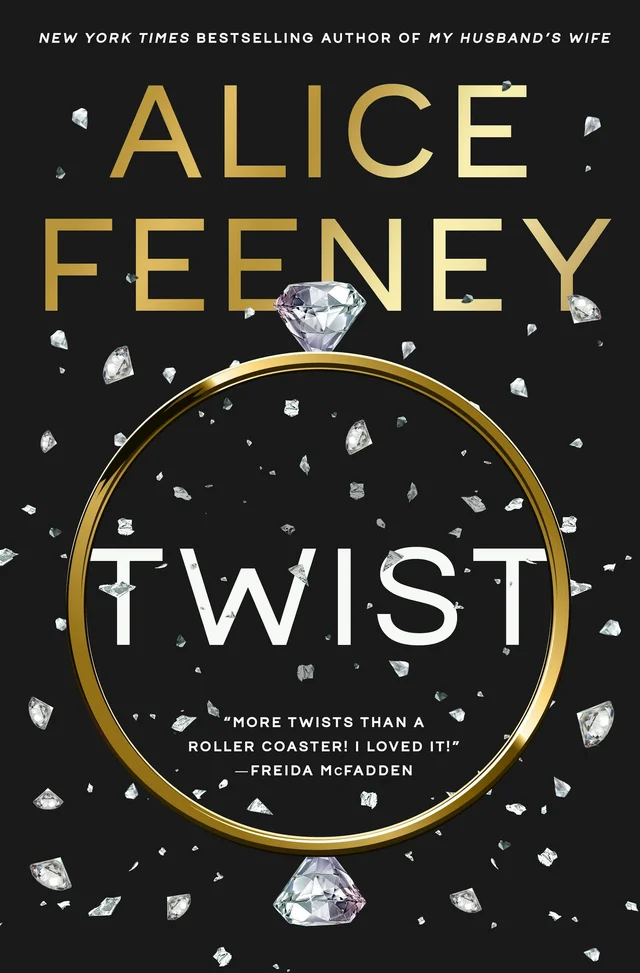
A double marriage gives Feeney’s thriller several competing versions of domestic life, with a murder making the hidden relationships impossible to contain.
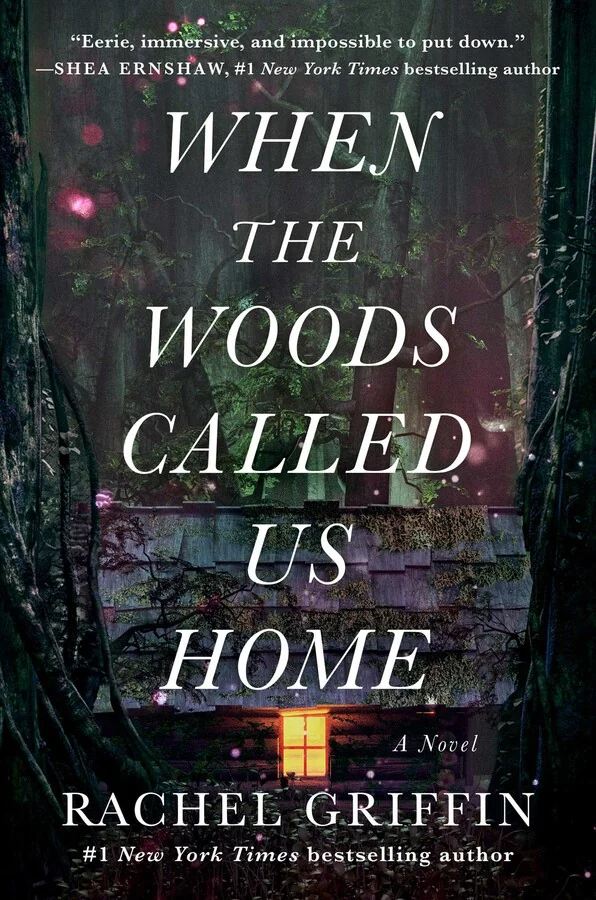
Griffin brings her nature-inflected atmosphere to an adult mystery rooted in a missing person and a divided family.
Winn follows In Memoriam by reworking Arthurian desire, devotion and rivalry. Its overlapping attachments distinguish this from a straightforward retelling of a familiar romance, with political uncertainty pressing against the characters’ private ambitions.