Horror1 July 2027 · UK
Abyss
An empty office and an intrusive AI wellness bot turn familiar corporate routines into a source of existential dread.
Release calendar / 07
July adds Dan Fesperman's pursuit of resettled spies and Cold War secrets to the summer thriller calendar. B. Celeste, Joss Richard, Linda Castillo, Laurie Gelman and Sanaë Lemoine offer other fictional directions, while T. M. Luhrmann supplies nonfiction. Audience labels follow the publisher record rather than a character's age.
Browse by publication date. Where only the month is confirmed, the day is marked as forthcoming.
Exact dates
An empty office and an intrusive AI wellness bot turn familiar corporate routines into a source of existential dread.
Gore draws on his experience building Discovery to examine leadership, decisions, and the ambitions institutions choose to pursue.
A book-within-a-book structure gives Walz's psychological thriller a story about memory and who controls a narrative.
Martin’s second-chance romance combines homecoming, single parenthood and a working ranch setting.
Hendrix’s adult horror novel sets a monstrous encounter inside a 1986 scouting trip, where a group of boys discovers the limits of childhood certainty.
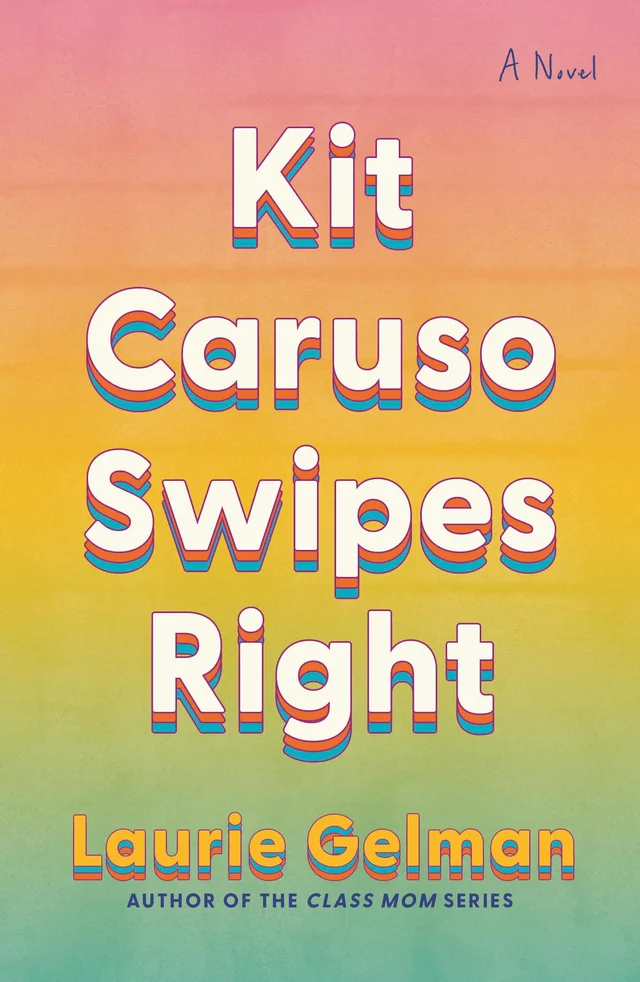
Gelman turns to app-based dating at sixty, where a promising courtship makes Kit question whether apparently flattering attention is what she actually wants.
Goldberger brings her own arranged marriage into a wider examination of how couples choose, sustain, and understand commitment.
Lemoine follows The Margot Affair with a friendship that crosses languages and national histories. The appeal lies in the friction between Asa’s wish for a different life and her incomplete understanding of the people offering it.
A bookseller’s optimism meets a knight’s unusual curse, making the difference between his daytime armor and nighttime humanity part of their quest.
The mystery is embedded in a specific political Los Angeles rather than using 1968 as decoration, giving the investigation a historical setting tied to community activism and local power.
The illustrations reveal the ghosts the visiting children cannot see, letting young readers notice another story unfolding inside the house.
The eroding coastline and the family’s struggle with change give Clayborn’s second-chance romance a clear sense of place and loss.
Mallon follows intimate romantic choices through a Civil War landscape that scatters characters across cities, battlefields, and hospitals.
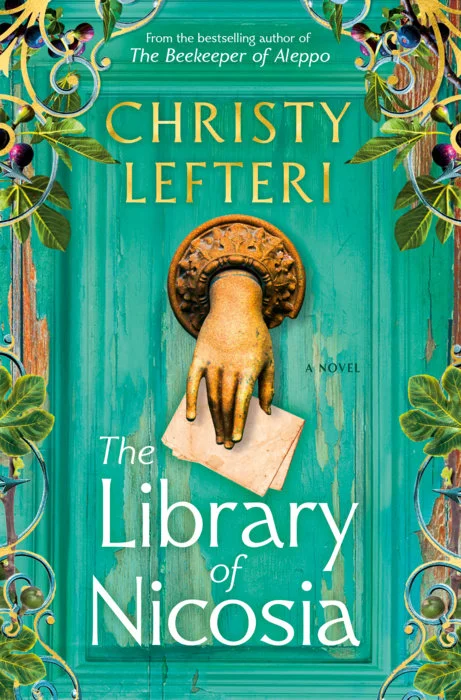
A refuge for threatened books connects cultural survival with a love story divided by the 1974 Cyprus conflict.
Celeste’s paranormal romance makes the assassin’s missing memories central to her choice of loyalties. The romance and the search for identity share the same uncertain witness.
Richard links a writing deadline with a coastal romance. The heroine’s decision about her work remains part of the story alongside her changing attachments.
Castillo returns to Painters Mill through an apparent accident that becomes a targeted campaign. The continued threat to a surviving victim gives the investigation an immediate protective purpose alongside the search for motive.
Fesperman follows the unfinished business of Cold War intelligence through former agents whose new identities cannot keep their histories contained.
Luhrmann returns to questions developed in When God Talks Back and How God Becomes Real. The range of experiences places the book between anthropology and the study of mind, rather than presenting voice-hearing through a single explanatory lens.
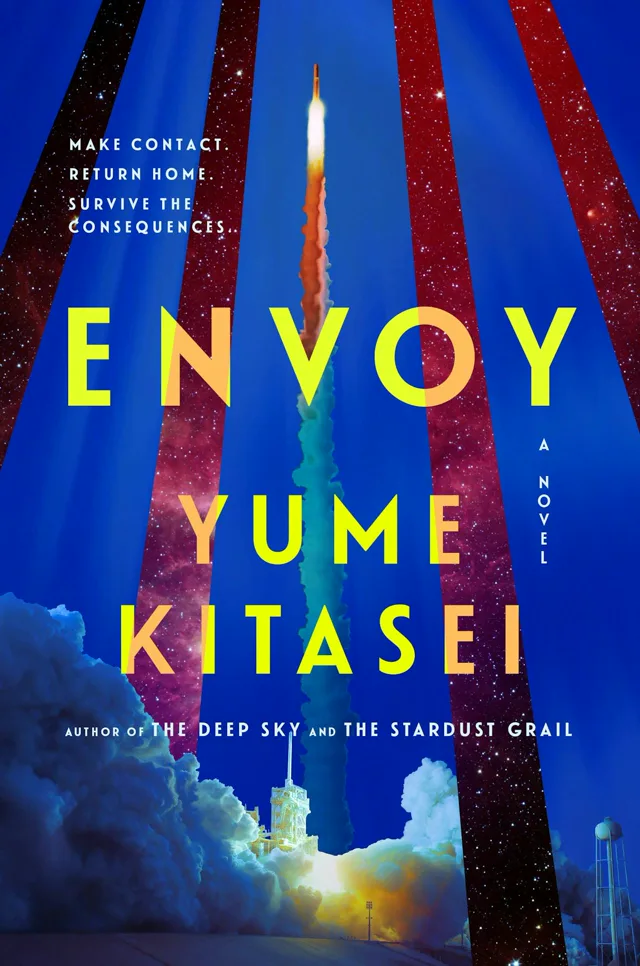
Kitasei places a murder mystery after first contact: the danger lies in what the returning astronauts know and have kept secret.
Muir reverses the familiar fairy-tale rescue: the character trapped in a tower must work out what survival requires of her.