Biography & Memoir12 January 2027 · US
How to Let Go
Readers of The In-Between can follow Vlahos into a more personal account of loss and rebuilding. The memoir places a caregiver’s own uncertain future beside the endings she witnesses in her work.
Genre shelf / 11
Memoir in 2027 includes Tria Wen's exploration of her mother's archives and Ben and Alex Sasse's reflections on mortality. Amanda M. Fairbanks connects personal illness with reporting, while Kevin Maurer follows Jerry Sage's wartime life. These join family, food, language and professional experiences across the catalogue's biographical nonfiction.
28 books · Explore the authors and release details.
Readers of The In-Between can follow Vlahos into a more personal account of loss and rebuilding. The memoir places a caregiver’s own uncertain future beside the endings she witnesses in her work.
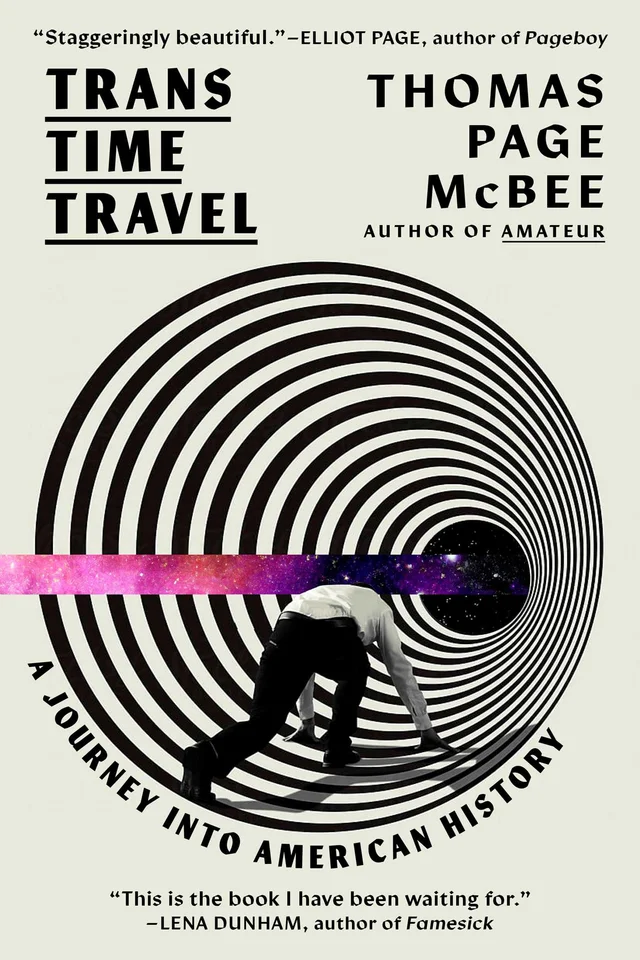
McBee combines memoir, reporting, and archives to ask how gender-variant lives have been remembered or erased across American history.
A father and daughter reflect on mortality together, bringing Christian faith and family life into the question of how to use limited time.
Iyer’s reflective approach to aging and care may interest readers of personal essays about attention, companionship and change.
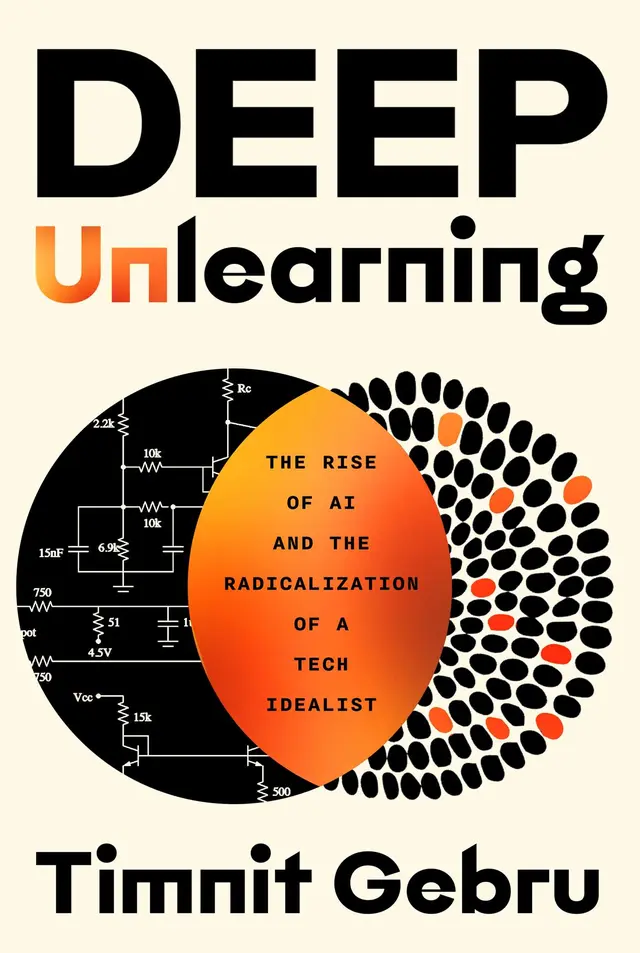
A first-person account from inside modern AI research that links personal history to questions of bias, institutions and technological power.
Cherry tells her own story of work and reinvention, tracing how a move from adult entertainment to Euphoria changed the public narrative around her life.
Maurer follows one intelligence operative through clandestine work, capture, and escape, making individual resistance the thread through a wartime biography.
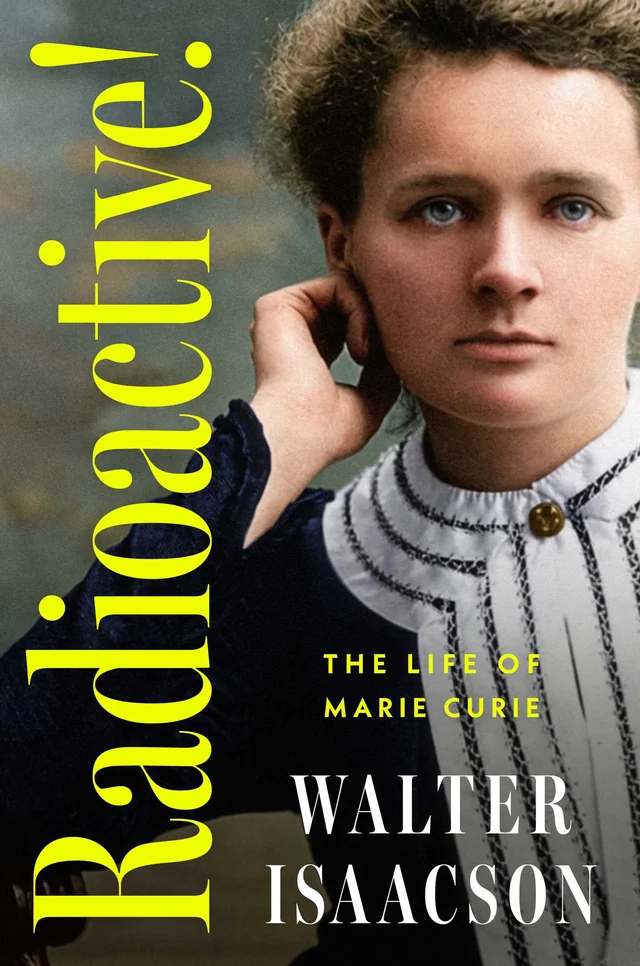
Curie’s path from Poland to Paris connects scientific discovery with the institutions, personal choices, and public pressures surrounding her work.
Family journals and correspondence reveal a mother’s artistic life, prompting Wen to reconsider the relationship between women’s ambitions and the care they provide.
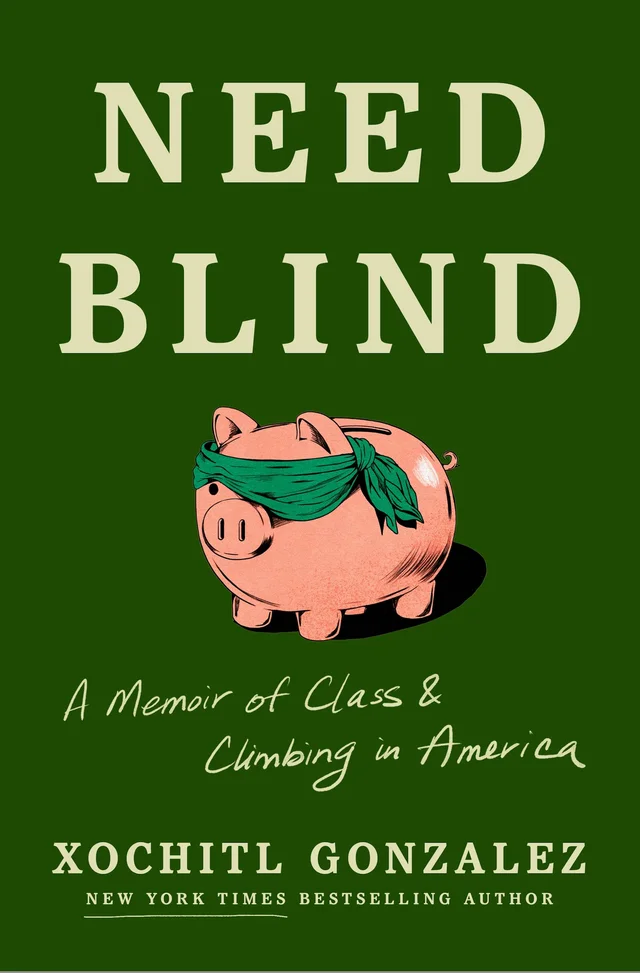
Gonzalez brings her experience of moving from working-class Brooklyn into elite institutions to an examination of class, mobility, and American power.
May extends the conversation of Wintering toward the obligations of care. The focus is on lived experience and its contradictions rather than a promise of effortless resilience.
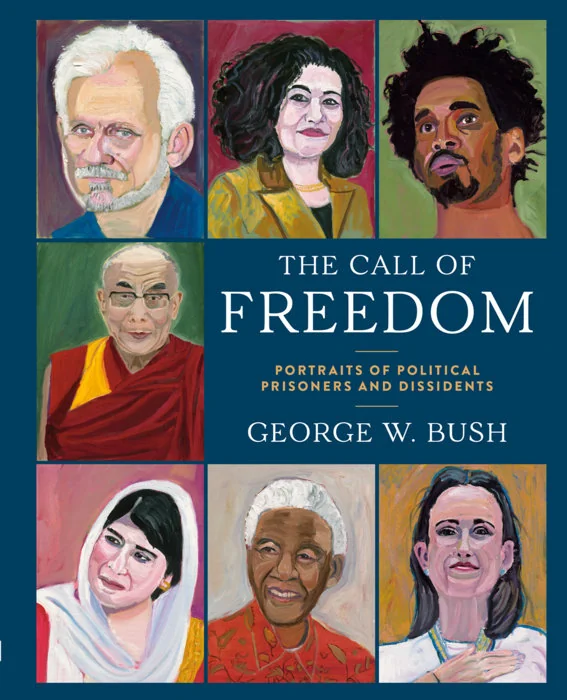
Bush pairs portraits with accounts of political imprisonment, bringing individual lives into view through painting and short biography.
The book reframes a figure often remembered for fourteen months in the White House through the much larger intellectual, political and personal life around them.
The author of Last Night at the Telegraph Club turns to memoir for young readers. Its use of several literary forms gives a new route into her work while retaining the family and identity questions familiar from her fiction.
Erbelding follows a wartime refugee program through the policy decisions and community life that shaped people’s attempts to begin again.
Bloom’s kitchen writing offers a different form of memoir from a continuous life narrative. Food provides an accessible thread through relationships and ordinary acts of generosity.
Lowe returns to personal nonfiction with an emphasis on how to live, rather than a career chronology alone. The combination of memoir and life reflections gives readers of his earlier books a different angle to follow.
A second memoir from Westover gives readers a reason to revisit the questions of testimony and belonging raised by Educated.
The graphic form lets Qatato move between inherited family stories and contemporary diaspora life, making memory itself part of the book’s structure rather than simply its subject.
Millard’s narrative history follows rescue work through three women’s decisions. It gives readers of Destiny of the Republic another tightly focused account of people confronting extraordinary danger.
Zauner continues the family and cultural questions of Crying in H Mart through language learning and everyday life abroad. The year in Seoul provides a distinct narrative frame for readers following both her writing and Japanese Breakfast.
Fairbanks connects her experience as a patient with the history of Lyme disease, following the disputes surrounding its recognition, treatment, and persistent symptoms.
Higginbotham’s engineering background and unexpected path to NASA give her spaceflight memoir a perspective rooted in the practical work behind a shuttle mission.
Greenfield pairs the problem of a machine cipher with the human labor required to break it. The American team broadens the familiar wartime codebreaking narrative.
McEwan’s essays offer a route from his childhood and early writing into the scientific, political, and cultural questions that occupy his fiction.
Goldberger brings her own arranged marriage into a wider examination of how couples choose, sustain, and understand commitment.
Stein traces the making of a political career from Brooklyn and Vermont to national campaigns, asking how Sanders became an influential figure on the American left.
Beyond celebrity anecdotes, the book offers a practitioner’s view of how a durable television institution actually gets made under pressure.