Ideas & Culture12 January 2027 · US
Trans Time Travel
McBee combines memoir, reporting, and archives to ask how gender-variant lives have been remembered or erased across American history.
Genre shelf / 12
History in 2027 adds Tyler Hooper's Valencia shipwreck, Kevin Maurer's intelligence operative Jerry Sage and Rich Eisen and Michael Weinreb's NFL Draft. Peter Sokolowski follows dictionary-making, and Greg Melville connects ancient trees with their human surroundings. Political, military and environmental histories offer further ways into the shelf.
27 books · Explore the authors and release details.
McBee combines memoir, reporting, and archives to ask how gender-variant lives have been remembered or erased across American history.
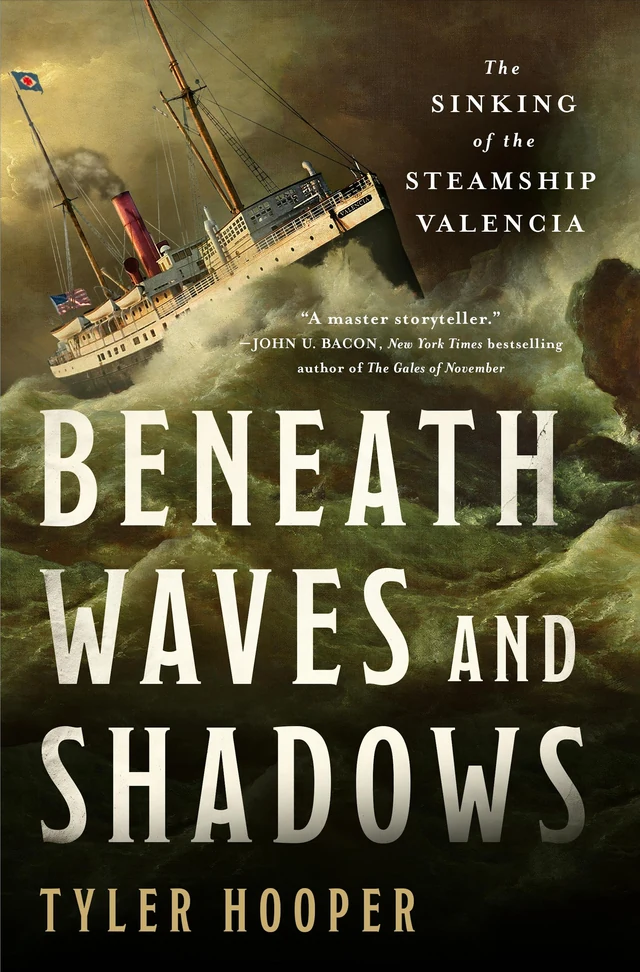
Survivor testimony and an exploration of the coastline reconstruct the Valencia disaster, keeping both the damaged ship and the dangerous shore in view.
Martin connects civil-rights history with the practical work of Black community institutions, arguing for collective action rooted in local networks.
The familiar act of looking up a word opens into a history of cultural authority, changing usage, and the people who decide how dictionaries define them.
Maurer follows one intelligence operative through clandestine work, capture, and escape, making individual resistance the thread through a wartime biography.
Eisen and Weinreb trace how an offseason administrative event became a television spectacle, connecting football history with the machinery of sports media.
Melville’s journey connects the biology of long-lived trees with the human histories around them, asking what their survival reveals about decisions over land.
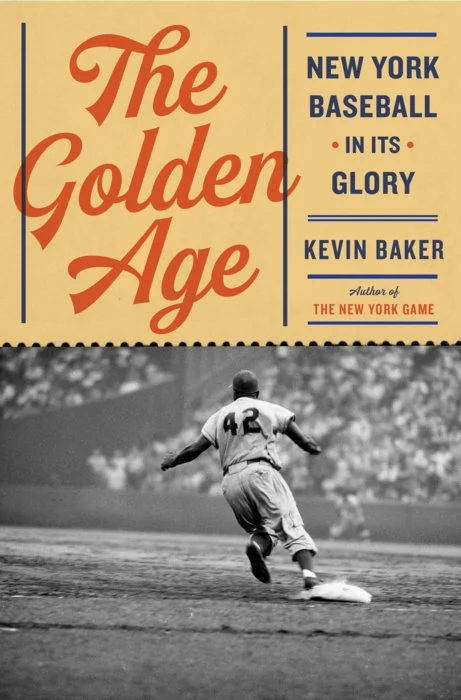
Baker follows four baseball teams through a changing postwar New York, linking the game to the city’s racial, economic, and social transformations.
The book reframes a figure often remembered for fourteen months in the White House through the much larger intellectual, political and personal life around them.
Doughty shifts attention from the ship’s legend to the treatment of its victims. Her mortuary perspective offers a distinctive route through a heavily documented event.
Erbelding follows a wartime refugee program through the policy decisions and community life that shaped people’s attempts to begin again.
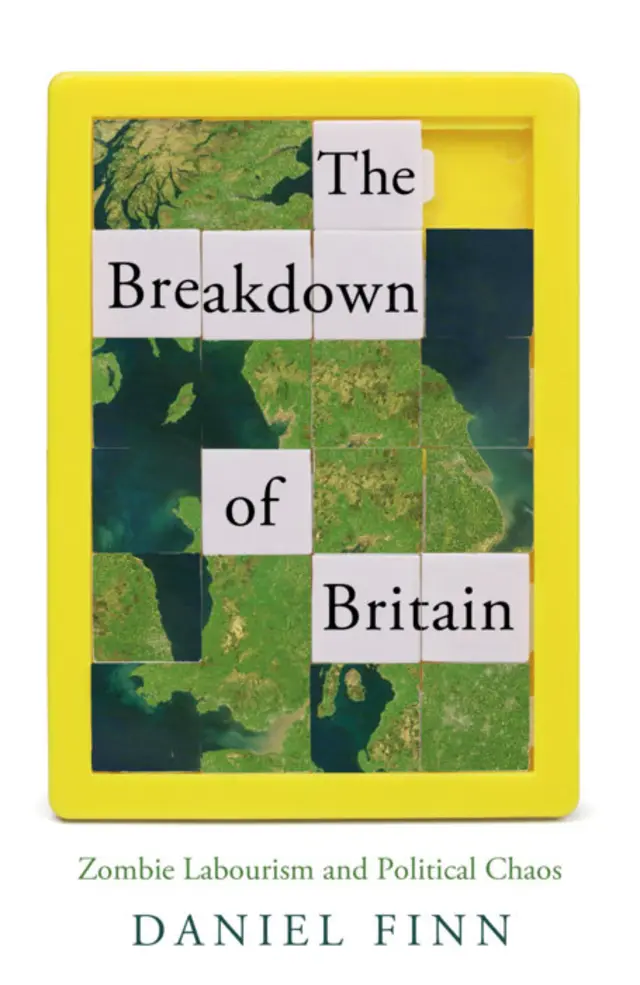
Finn offers a political reading of a decade of British crises, connecting episodes of institutional change within one historical account. His interpretation is presented as his own.
Reiss connects entertainment, activism and government policy in a wartime history about how public attention can become a political instrument.
Jackson uses Reconstruction to examine organized resistance to Black freedom, connecting a historical period with her argument about contemporary political judgment.
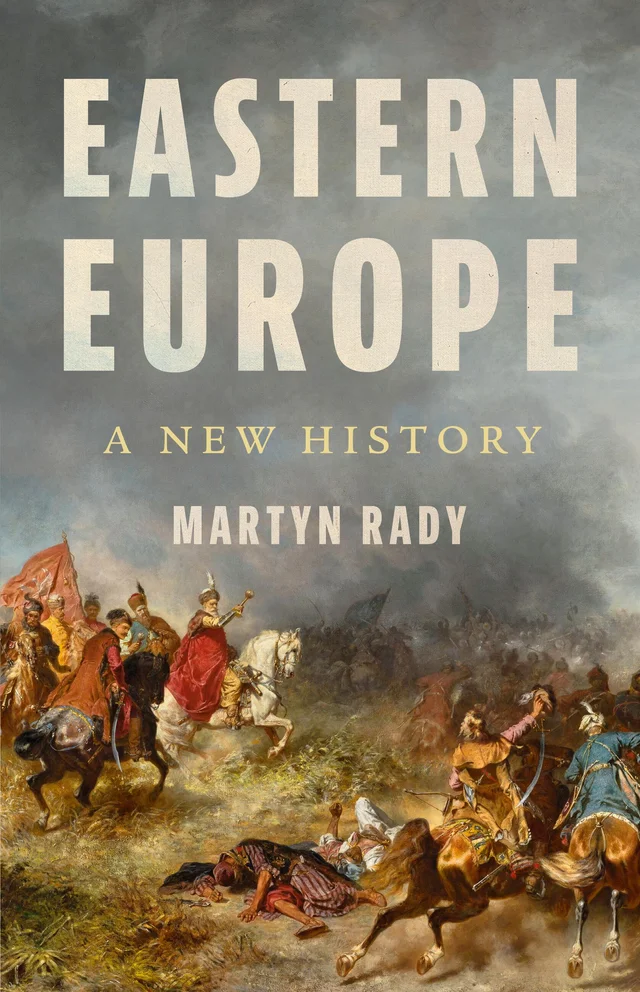
Rady extends the regional scope of The Habsburgs and The Middle Kingdoms. The borderlands perspective connects events usually divided among separate national histories.
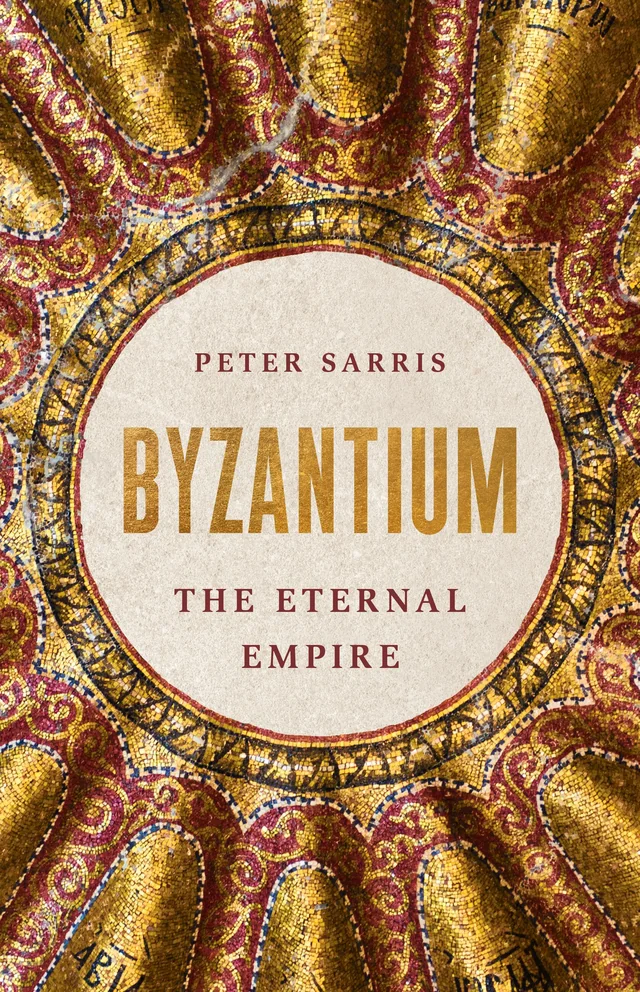
Sarris connects ancient and medieval history through an empire whose survival depended on trade, law, diplomacy, religion, and war.
Ryan makes ancient history geographically concrete, using a modern journey along the frontier rather than a conventional chronological survey.
Millard’s narrative history follows rescue work through three women’s decisions. It gives readers of Destiny of the Republic another tightly focused account of people confronting extraordinary danger.
Readers of Cod and Salt can follow Kurlansky’s single-subject approach into the biology, working lives, and changing tastes of a coastal economy.
Greenfield pairs the problem of a machine cipher with the human labor required to break it. The American team broadens the familiar wartime codebreaking narrative.
A single crop becomes a lens on economic history, connecting Indigenous cultivation with the industrial uses of corn in food, energy, and manufacturing.
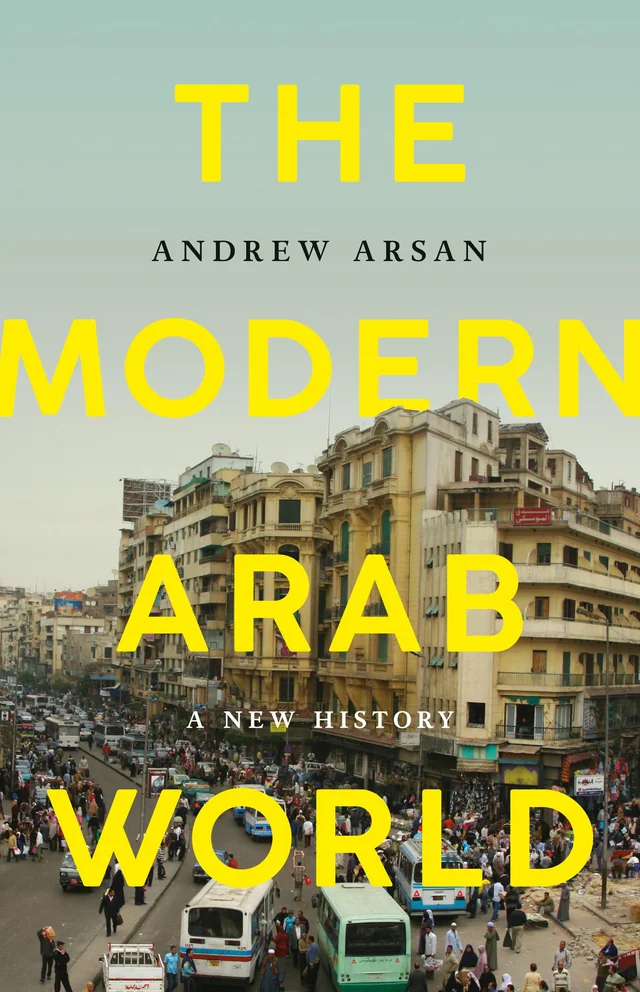
Its value is the scale and vantage point: a regional history built around how people within the Arab world navigated state-building, ideology, conflict and everyday change.
Wilkinson shifts the center of ancient northeastern African history south of Egypt, giving readers a detailed account of a civilization too often treated only in relation to its northern neighbor.
Gallagher examines Eisenhower’s role in ending the Korean War and draws a contemporary policy argument from its diplomacy and nuclear brinkmanship.
Prochaska combines legal history, medicine and reproductive politics around one recurring question: who gets to define birth, and how does that definition shape power over the body?
A history of the Unification Church connects religious devotion with international networks of business and political influence.
Harari asks what recurring patterns can explain about empires and revolutions, while keeping the question of an unpredictable future in view.