Fantasy5 January 2027 · US
Infernal Vow
The Immortal Dark finale places Kidan’s devotion and forbidden power against the survival of humanity, bringing the trilogy’s dark-academia conflict to a conclusion.
Genre shelf / 09
Horror in 2027 adds Megan Lally's ritual death festival and Abby Dewsnup's road trip toward a sacrifice, both for YA readers. Deborah Yelle and Emma Devlin connect haunted houses with family power. These join adult supernatural fiction, body horror and dangerous holidays; descriptions establish premises without turning marketing into reviews.
25 books · Explore the authors and release details.
The Immortal Dark finale places Kidan’s devotion and forbidden power against the survival of humanity, bringing the trilogy’s dark-academia conflict to a conclusion.
Yelle draws on Poe’s poetry for a YA gothic story in which two estranged sisters must rebuild trust while escaping inherited grief and a castle’s curse.
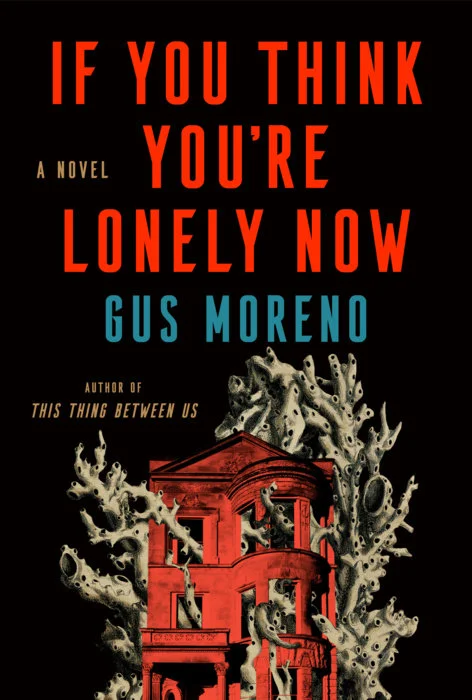
Moreno returns after This Thing Between Us with another intimate source of dread. Property ownership and the wish for financial escape give the haunting a recognizable pressure point rather than treating the building as an isolated supernatural puzzle.
This Southern gothic mystery blends a working mortuary setting with paranormal clues.
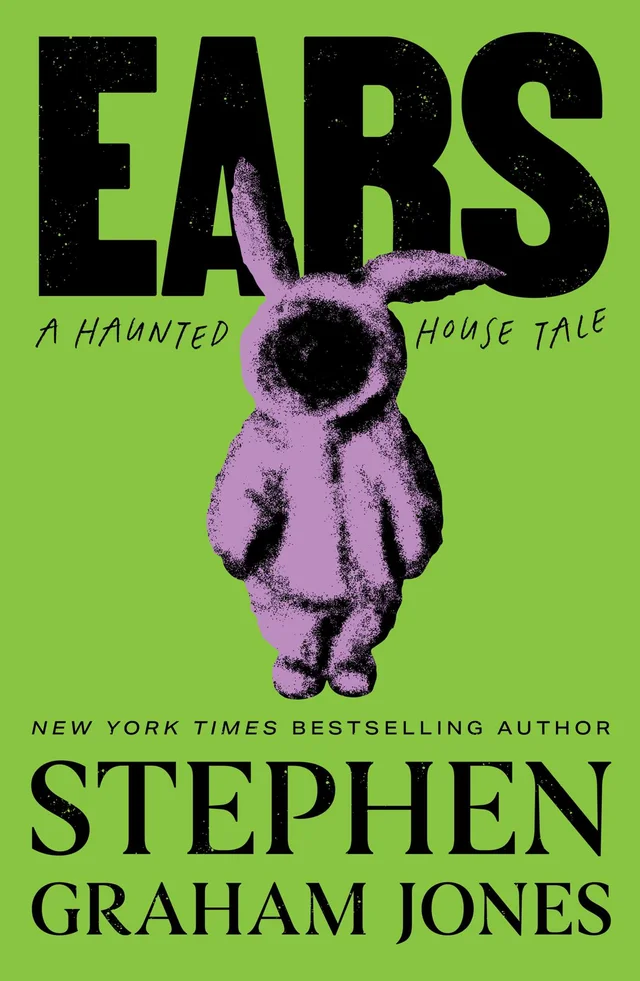
Jones compresses a haunted-house story into a novella about belonging and dependence. The uneasy alliance between caretaker and ghost offers a distinct premise for readers following his longer horror novels.
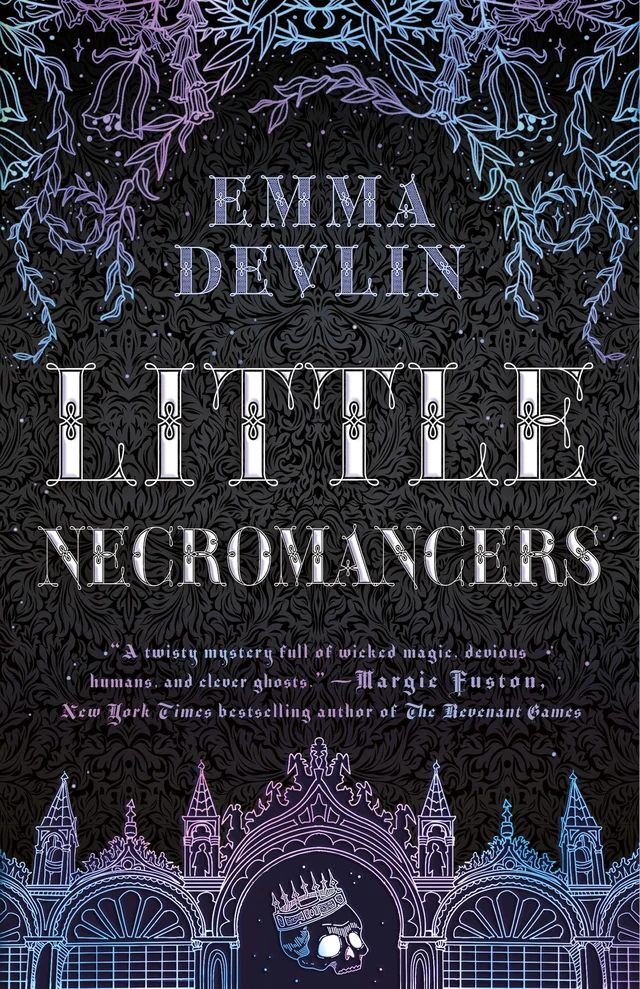
Devlin builds a YA whodunit around the economics of resurrection and an uneasy household of servants and employers, connecting magical power with inherited privilege.
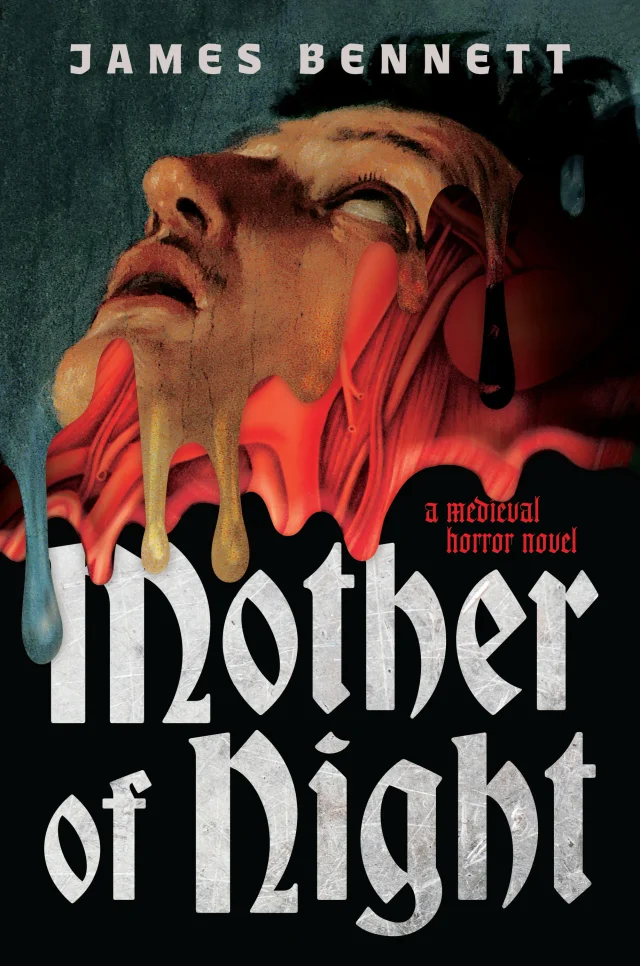
Bennett brings medieval history and supernatural horror into the same dangerous journey. Readers interested in haunted landscapes and loyalties under pressure can follow Jean’s determination to protect the person he loves.
Chapman takes an adolescent fantasy literally and follows it into adult heartbreak. The supernatural slasher premise gives the book a distinct identity for readers of Wake Up and Open Your Eyes and relationship-centered horror.
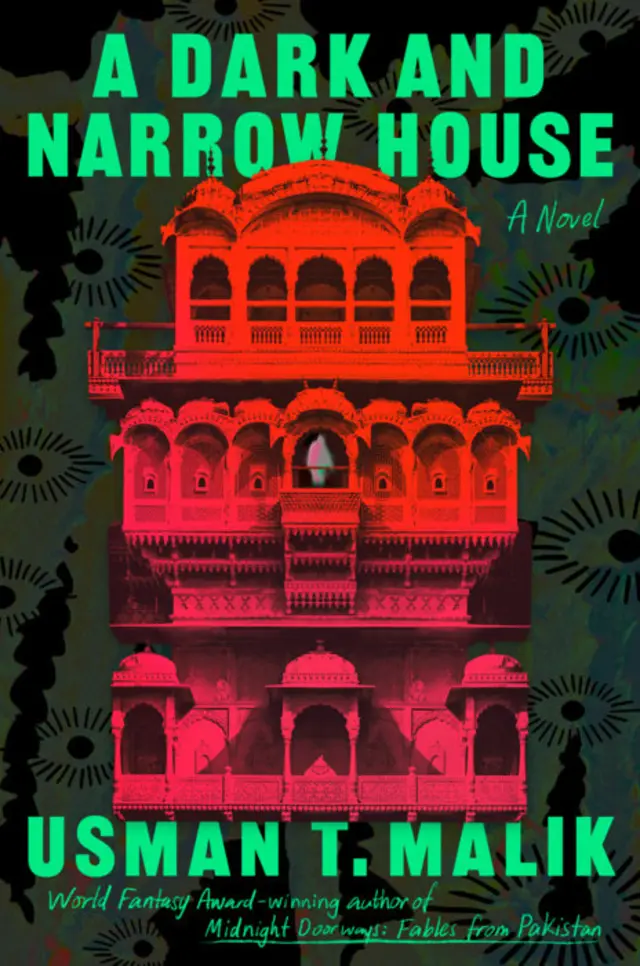
Malik combines folklore, dark fantasy and a haunted house, inviting readers into a supernatural world with its own rules.
Adams follows Jackal with a family-centered supernatural mystery. The sisters’ different reactions to an apparently welcome mourner make trust and inherited secrets part of the horror’s mechanism, alongside grief and immigration.
Oshiro’s YA apocalypse removes the adults who promised protection, leaving teenagers to decide what resilience means when their unsettling warnings begin to come true.
A plantation cabin carries its history into a luxury development, making the past an active, supernatural presence in the novel’s present.
Lally moves into gothic YA horror through an isolated estate, a ritual anniversary and a romance caught inside the mystery.
Dewsnup's YA horror places an unfolding romance on a journey toward a planned sacrifice, giving the road-trip structure an unsettling destination.
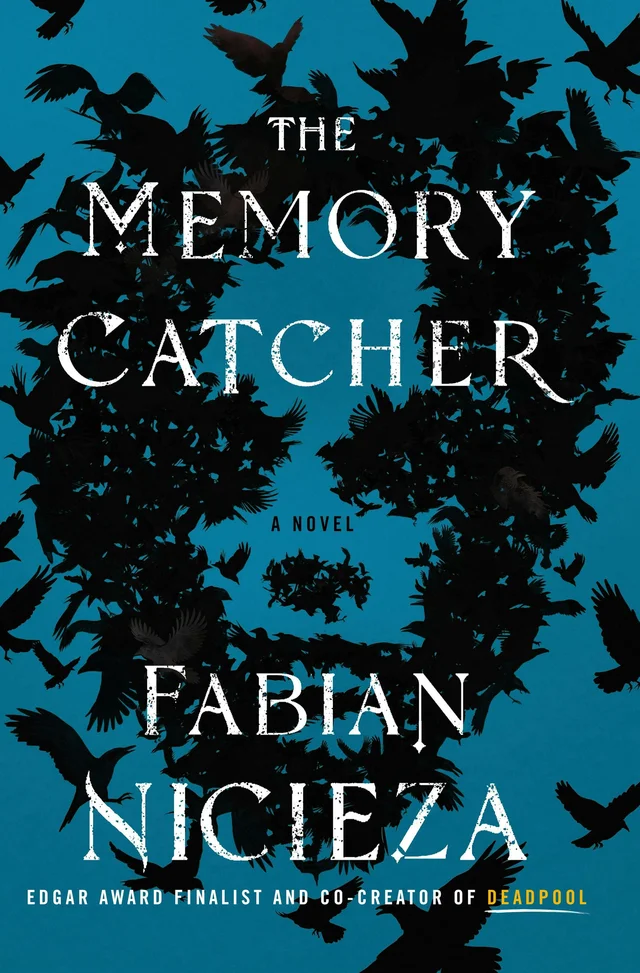
Nicieza’s speculative device turns private recollection into public danger. Readers who know his crime novels or comics have a new crossover between psychological suspense, memory technology and the consequences of unwanted exposure.
Curran makes the language of institutional extraction literal. This campus vampire novel connects romantic temptation with the material pressures facing students and universities.
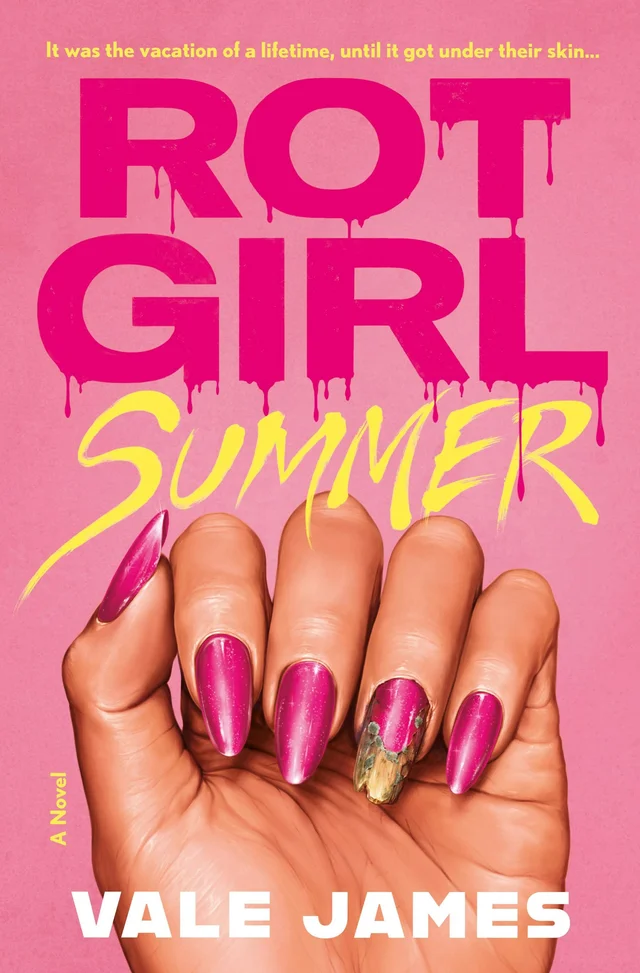
Vale James combines body horror with the unstable loyalties of three friends. The lake-house setting and fungal threat give this adult debut a concrete hook beyond a general promise of summer scares.
Ward combines a contained murder plot with speculative horror. The threatened yacht gives her interest in hidden identities a sharply limited physical space.
An empty office and an intrusive AI wellness bot turn familiar corporate routines into a source of existential dread.
Hendrix’s adult horror novel sets a monstrous encounter inside a 1986 scouting trip, where a group of boys discovers the limits of childhood certainty.
A search for an estranged mother leads into a resort where the promise of escaping death has a supernatural cost.
Tingle places his horror inside a business that markets belonging as an opportunity. The tension between an inclusive public image and a coercive workplace gives readers of his fiction a new institutional nightmare to investigate.
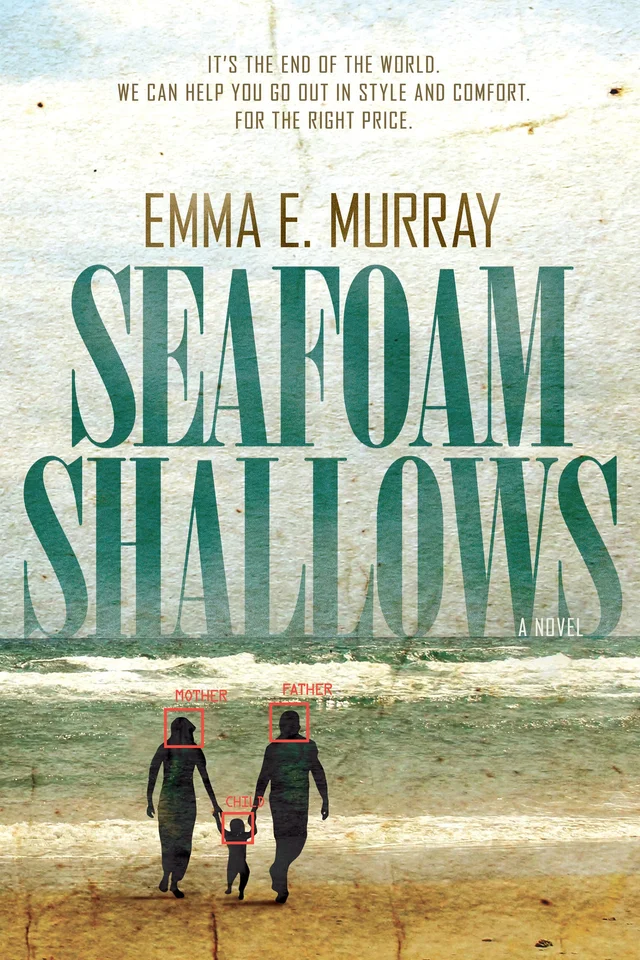
A resort promising an orderly end to life becomes a trap when its guests’ expectations of the apocalypse may be wrong.
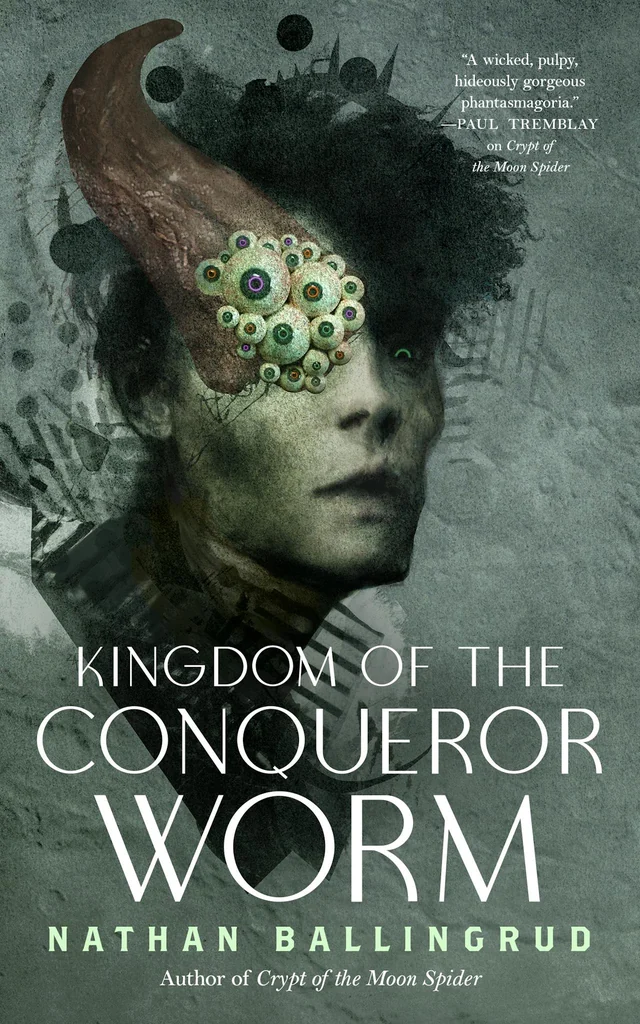
The Lunar Gothic finale offers a compact journey into cosmic horror for readers following the series.
Six weeks of darkness give this northern town’s missing-child mystery an unsettling setting, as a preserver and doctor investigate what returns from the woods.