General Nonfiction12 January 2027 · US
Hypervigilant
Sage connects persistent threat-monitoring with emotionally unsafe childhoods, bringing clinical and personal perspectives to patterns of anxiety and appeasement.
Genre shelf / 17
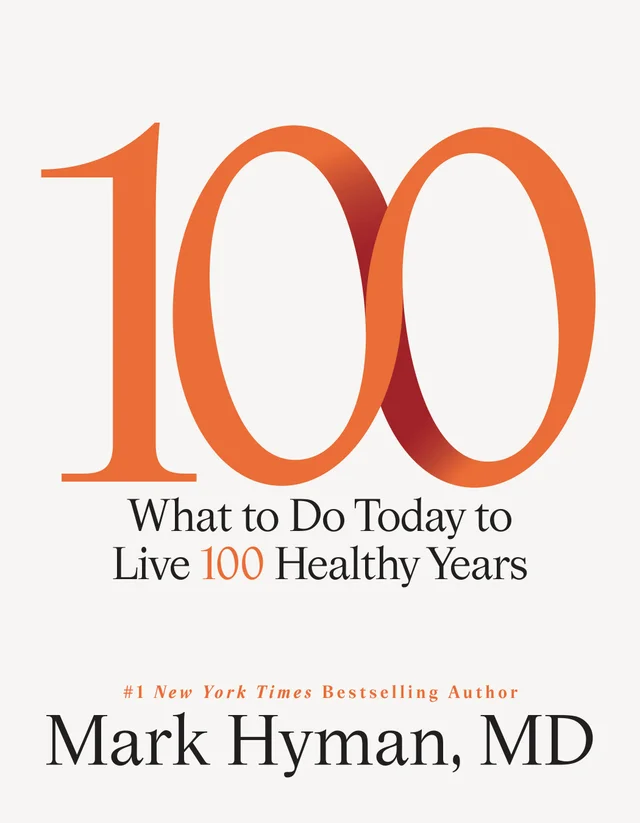
General nonfiction in 2027 includes veterinarians' stories collected by James Patterson and collaborators, spiritual perspectives and approaches to deliberate living. In 100, Mark Hyman presents his views on longevity, personal health data and preventive care; proposed benefits remain the author's claims. Science, memoir and history shelves offer related routes through personal experience and practical frameworks.
16 books · Explore the authors and release details.
Sage connects persistent threat-monitoring with emotionally unsafe childhoods, bringing clinical and personal perspectives to patterns of anxiety and appeasement.
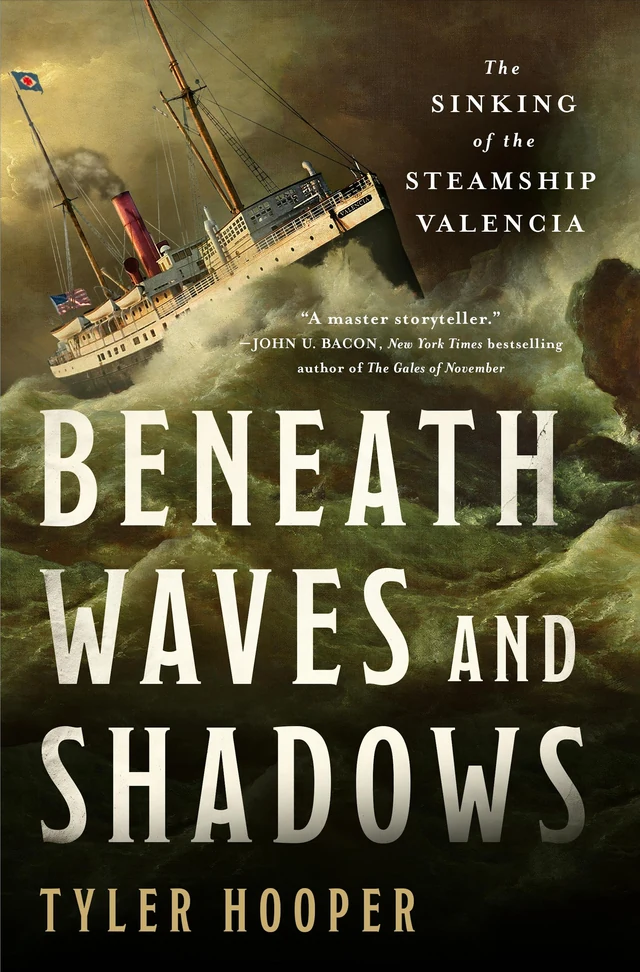
Survivor testimony and an exploration of the coastline reconstruct the Valencia disaster, keeping both the damaged ship and the dangerous shore in view.
Jakes uses a biblical storm to explore the gap between public leadership and private uncertainty, with Christian faith central to the book’s perspective.
A practical introduction to intellectual habits offers an ideas-focused release for readers interested in philosophy outside a formal academic course.
Damour turns the focus of her work with family emotions toward caregivers, asking how parents’ own feelings affect the care they give.
Patterson’s reported nonfiction, written with journalist Vicky Ward, connects a high-profile criminal case to its wider cultural reception. Readers interested in healthcare, media attention and public anger can track the forthcoming account here.
Rinpoche draws on Buddhist practice to examine fear and uncertainty, asking how people can respond to circumstances beyond their control.
Eckstein connects the Jewish declaration Here I am with the everyday obligations of presence, using biblical teaching and humanitarian work as her guides.
Readers of Deep Work and Digital Minimalism can follow Newport’s interest in attention into the broader question of how to build a deliberate daily life.
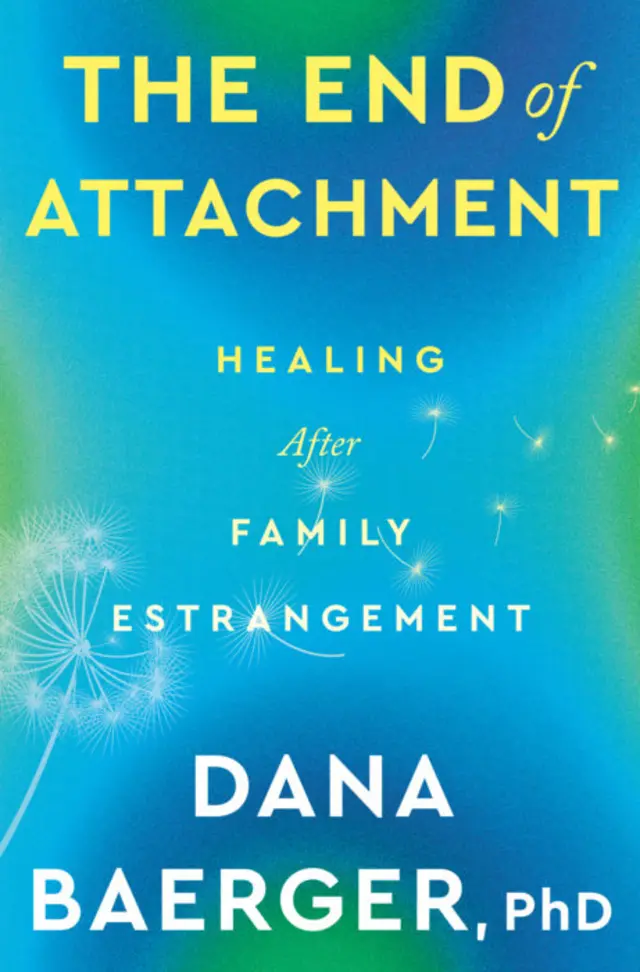
Baerger examines family estrangement through the difficult choice between repairing a relationship, setting boundaries, and maintaining distance.
Melville’s journey connects the biology of long-lived trees with the human histories around them, asking what their survival reveals about decisions over land.
Veterinarians’ own accounts connect the treatment of animals with the people who depend on them, giving care a reciprocal, sometimes unexpected shape.
Readers following the longevity debate can track Hyman's next argument about personal health data and prevention, with its proposed benefits understood as the author's claims.
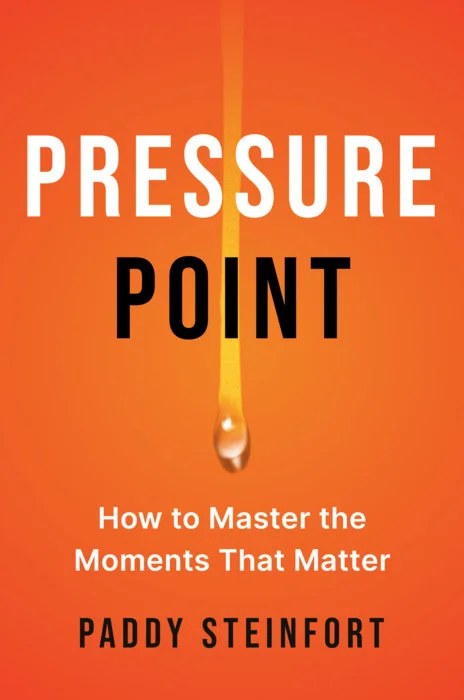
Steinfort applies his work with athletes, emergency teams, and leaders to the everyday problem of choosing a next step when pressure disrupts performance.
Lowe returns to personal nonfiction with an emphasis on how to live, rather than a career chronology alone. The combination of memoir and life reflections gives readers of his earlier books a different angle to follow.
Burkeman continues the conversation begun in Four Thousand Weeks by asking how people can engage with life while uncertainty and limited control persist.