Crime in 2027 ranges from established investigators to Matt Goldman's Riverwood cases and Liza Tully's theatrical murder. Preston and Child add a modern killing among historical remains, while Liz Ireland begins a bookshop investigation. Series context and publication dates help readers compare returning characters with new settings.
On this shelf
34 books · Explore the authors and release details.
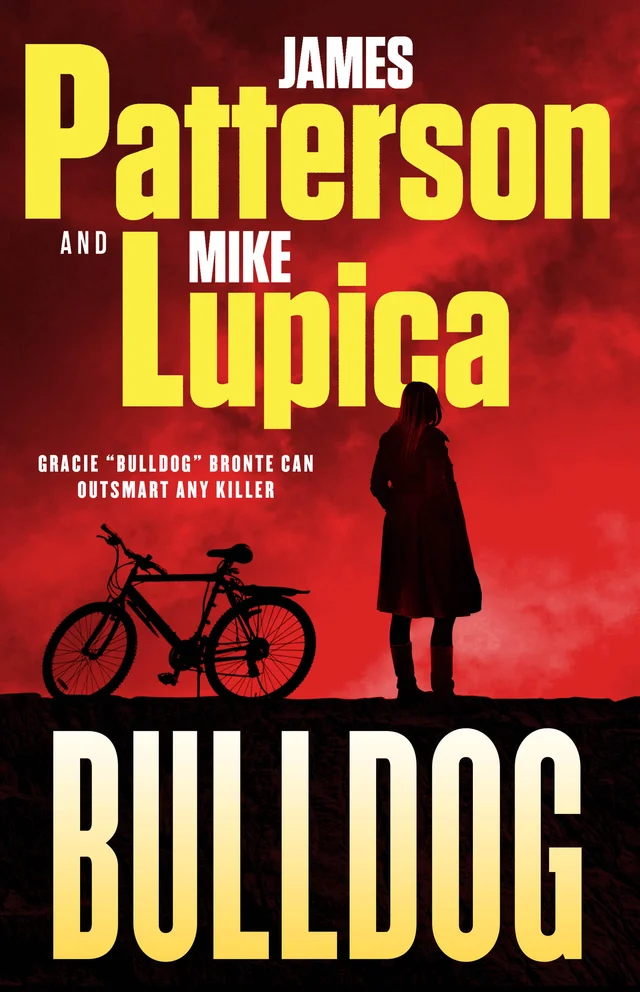
Patterson and Lupica introduce reporter Gracie Bronte through a direct contest with a killer. Readers following their collaborations get a journalist’s investigation rather than another installment assigned to one of Patterson’s established detective series.
Preston and Child reunite their archaeological and FBI investigators, offering established series readers another mystery built around the collision of old remains and present crimes.
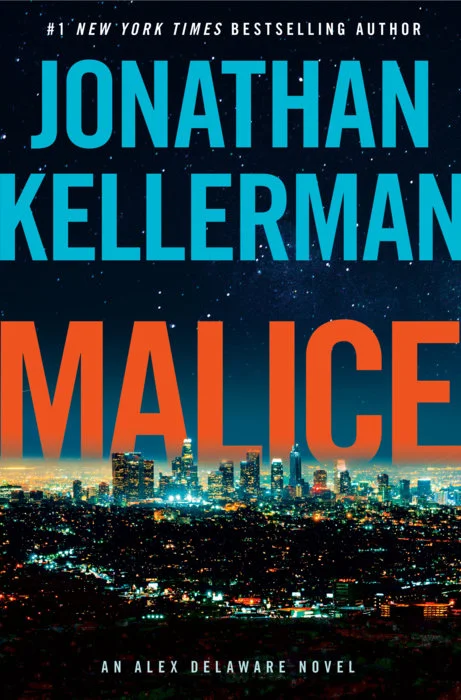
Delaware and Sturgis give Kellerman’s returning readers a familiar investigative partnership. The disconnected victims make this an entry for readers interested in motive and psychological patterns, alongside the procedural work of tracing a killer.
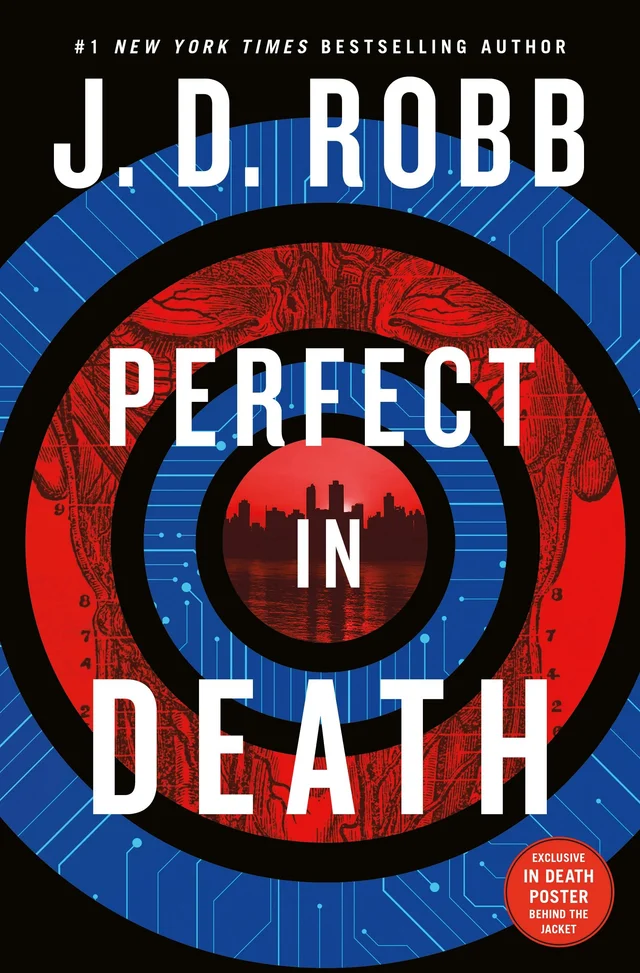
The sixty-fourth In Death novel brings Eve Dallas and Peabody into an academic murder investigation where medical knowledge may help explain the violence.
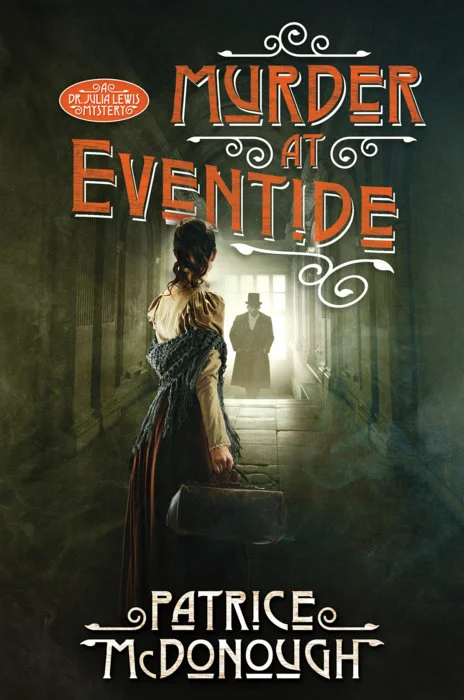
McDonough combines Victorian professional life with an investigation shared by a doctor and a police inspector. The missing notebook gives the case a concrete evidentiary puzzle.
Patterson and Ellis return to the world of The Black Book. The Harney family’s mixed loyalties make the collaboration a useful addition for readers following Patterson’s police thrillers and Ellis’s work as a novelist.
Sandford brings Davenport’s personal history into the investigation. Jennifer’s newsroom work creates several possible sources of hostility, giving the latest Prey novel a specific link between public scrutiny and private loss.
Horowitz puts his fictional counterpart in the jury box, where a juror’s murder forces Hawthorne to look beyond the case the court believes it understands.
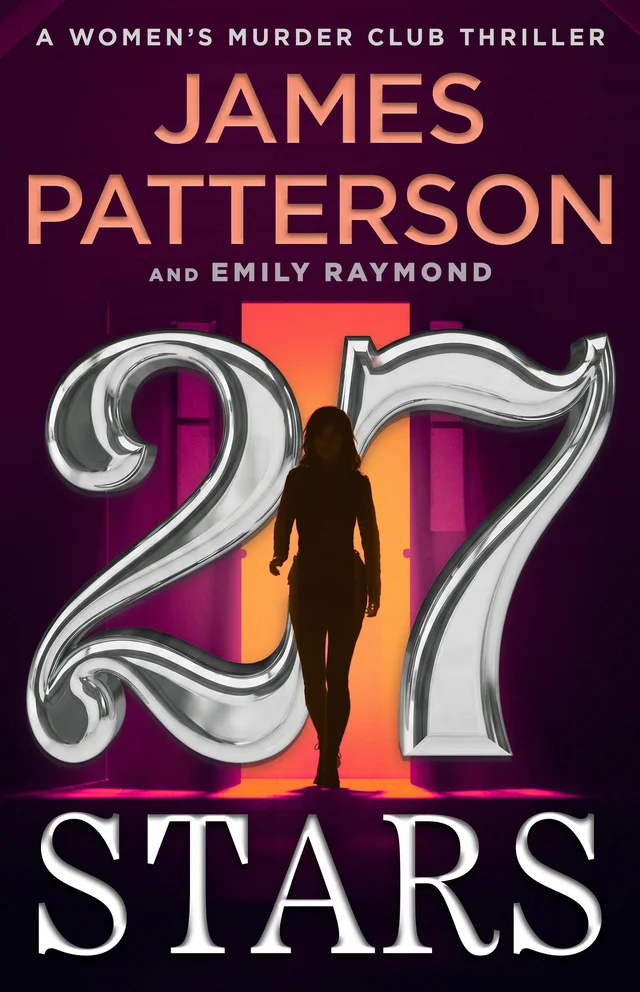
A new Women’s Murder Club novel gives established Patterson readers a clear series discovery route. Written with Emily Raymond, it follows a network of cases across sharply different parts of San Francisco.
Goldman returns to the rural setting of his Riverwood fiction. The overlapping cases give recurring police characters several pressures to navigate at once.
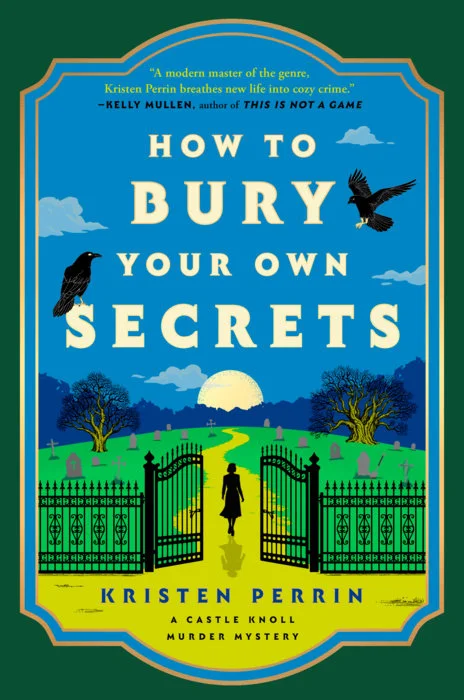
Perrin continues the Castle Knoll mysteries with two film productions and two periods of investigation. Frances’s unreliable diary adds a specific difficulty to the series’ exchange between past and present.
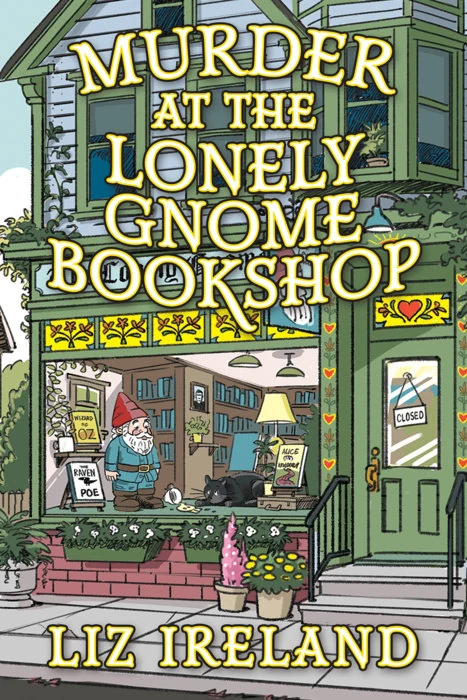
An inherited bookstore offers Zoey a fresh start, until the troubles surrounding the shop and her uncle draw the former accountant into a seaside murder mystery.
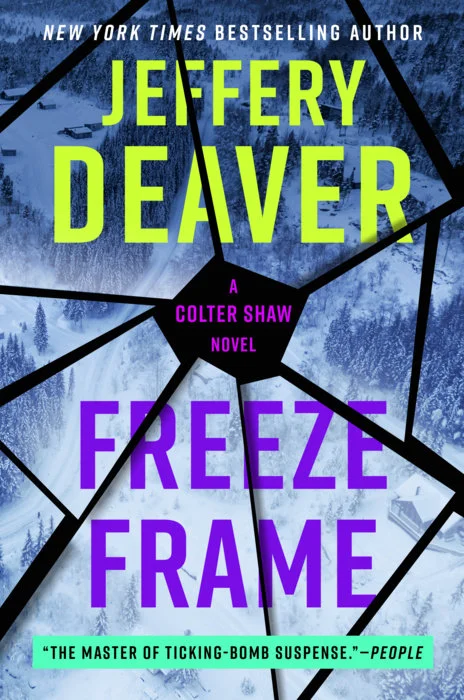
Colter Shaw returns in the series adapted as Tracker. The approaching storm supplies a clear deadline, while Deaver complicates the search with the question of whether the missing officer wants to be found.
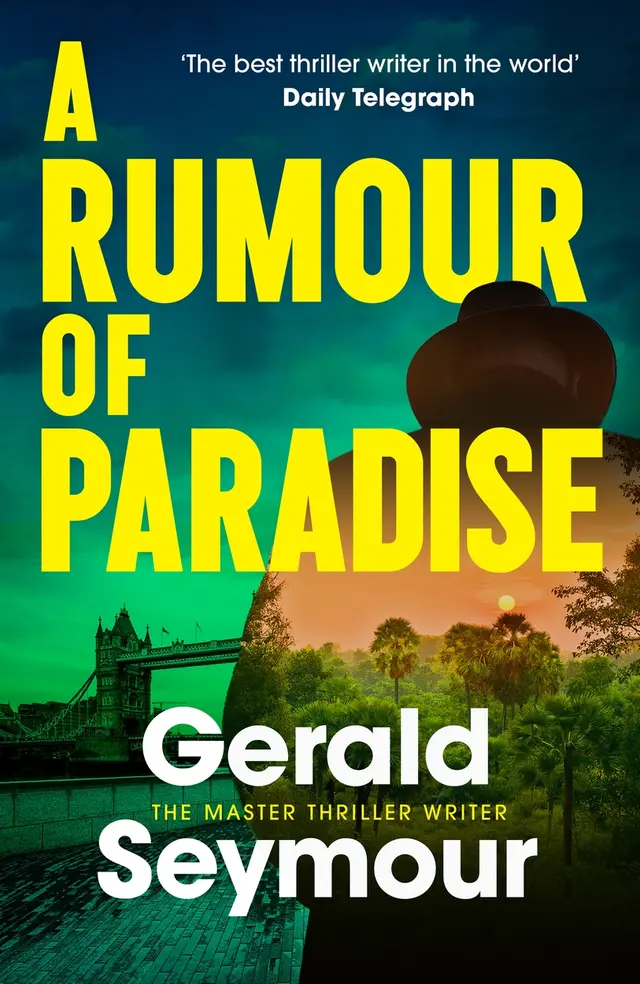
Singh’s investigation unfolds within colonial Fiji, where a suspected murder and the possibility of leaving the island make his future part of the case.
The Merritt and Blunt partnership offers a recurring-character route into the mystery. A theatrical victim and scene make performance part of the evidence.
Hiaasen brings back Angie Armstrong and Skink within a new web of Florida fraud. Readers of Squeeze Me and Fever Beach have recognizable connections, while the missing swindler supplies an accessible central mystery.
The mystery is embedded in a specific political Los Angeles rather than using 1968 as decoration, giving the investigation a historical setting tied to community activism and local power.
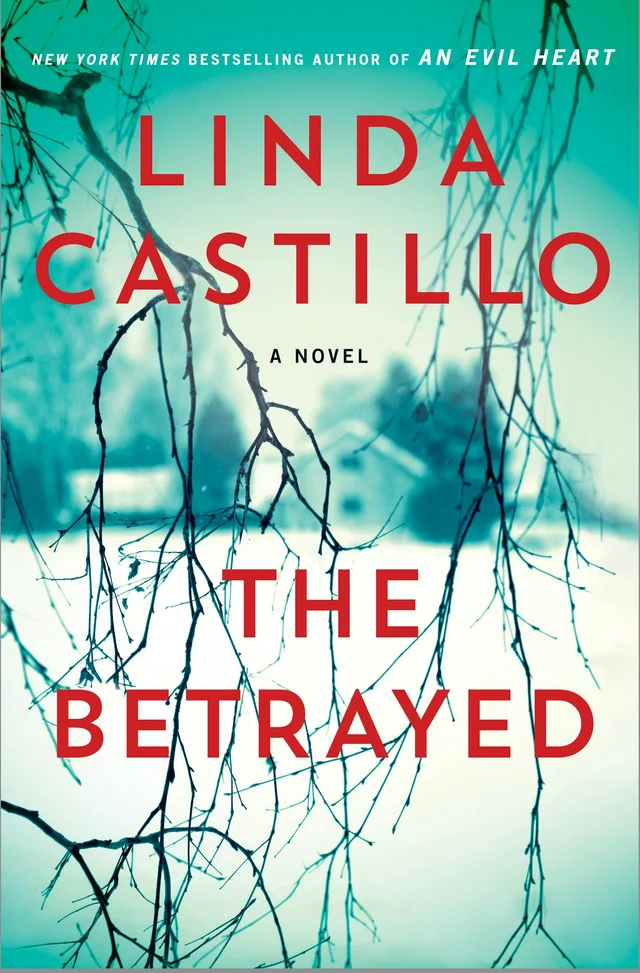
Castillo returns to Painters Mill through an apparent accident that becomes a targeted campaign. The continued threat to a surviving victim gives the investigation an immediate protective purpose alongside the search for motive.